Capturing More Than Physiology: Multi-Camera and Multimodal Research

In the early 20th century, Cubist painters like Pablo Picasso and Georges Braque argued that traditional linear perspective on a subject was an illusion. Something was always hidden from the viewer, distorted, or lost altogether. Just as a Cubist painter might fracture their subject to reveal its true shape, a physiology lab uses multiple synchronized camera angles to bypass a single lens’ limitations.

The same principle applies to modern physiological and psychophysiological research. Physiological signals such as electrocardiogram (ECG), electroencephalogram (EEG), electrodermal activity (EDA), respiration, and blood flow provide valuable insight into how the body responds to stimuli, environments, and social interactions. Yet physiological data alone often leaves important questions unanswered. What was the participant doing? What was happening in the environment? Did social interaction, movement, or behavioral events coincide with a change in the recorded signal?

To answer these questions, many studies now combine physiological recordings with multiple video streams, eye tracking, audio, environmental monitoring, and other forms of media capture. This multimodal approach lets investigators examine physiological measurements alongside the events occurring around them, revealing a richer, more complete picture of human and animal behavior. As these data streams multiply, so does the need to capture, synchronize, and review them together.

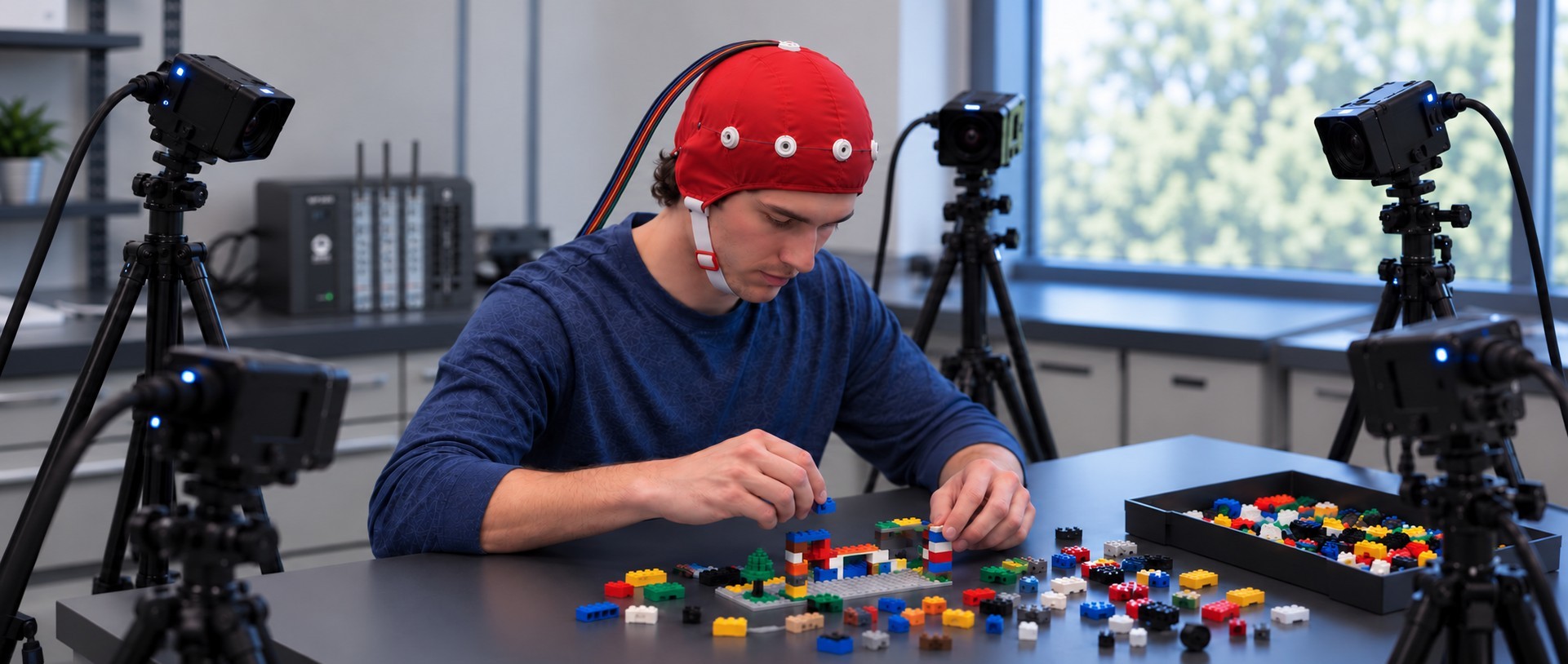
Researchers at Macquarie University in Australia and collaborating institutions recently described a multimodal laboratory designed to study face-to-face communication and social interaction. The platform centered on a BIOPAC data acquisition system, amplifiers, and amplifier input module that acquired ECG, EDA, photoplethysmography (PPG), respiration, and skin temperature. The researchers combined physiological measurements with a Tobii eye tracker, wearable sensors, audio recording, motion analysis systems, and six video cameras positioned throughout the laboratory. The project showed that adding more recording sources often complicates data collection coordination, and that integrating multiple acquisition systems requires careful synchronization and workflow design. The camera system played a particularly important role. They used multiple viewing angles for behavioral coding, gesture analysis, participant observation, and synchronization verification. Rather than serving only as a record of the experiment, the video data became an important part of the analysis itself. For researchers studying communication, teamwork, education, or human-computer interaction, the work illustrates how behavioral observations can enhance interpretation of physiological measurements.

A team from the Swedish University of Agricultural Sciences (SLU) explored similar ideas outside the traditional laboratory by developing the SLU Multisensory Outdoor Laboratory (SENSOLA). The researchers used BIOPAC data acquisition and analysis systems with AcqKnowledge software and BioNomadix wireless devices to collect respiration and PPG measurements as participants moved through natural and built environments. Their platform combined those recordings with eye tracking, stimulation, video, audio, GPS data, participant feedback, and environmental measurements. One key observation was that physiological measurements become much more insightful when paired with information about a participant’s surroundings and experiences. Video proved especially valuable because it documented environmental conditions, participant behavior, and unexpected events that might otherwise be difficult to identify during later analysis. As physiological research moves beyond controlled laboratory settings, projects such as SENSOLA demonstrate the value of capturing physiological and observational data together.
ratPreclinical research is increasingly applying the same principles. In a recent toxicology study from Japan, investigators developed the ToxQb platform around a BIOPAC data acquisition system and AcqKnowledge software with NDT to collect EEG and ECG data from laboratory rats. The physiological measurements were integrated with overhead, front, and side-view cameras, along with thermal imaging systems. The goal was to monitor behavioral and physiological changes simultaneously over extended periods. By reviewing camera footage alongside EEG and ECG recordings, researchers could relate changes in movement, posture, and activity to physiological events. The authors concluded that combining these diverse data streams provided deeper insight than any single measurement could. The study demonstrates that multimodal acquisition extends beyond human research, across a wide range of life-science applications.

Although these studies span communication research, environmental psychology, and toxicology, they point to a common trend: researchers are capturing much more than physiology. Like the artists who challenged the limitations of a single viewpoint, today’s researchers increasingly rely on multiple synchronized perspectives to reveal a more complete picture of physiology, behavior, and environment. Multiple cameras, video recordings, eye tracking, environmental sensors, and behavioral observations can provide valuable context for interpreting physiological measurements. Learn how using BIOPAC’s MultiCapture feature in AcqKnowledge 6 to integrates multi-camera video and other media into research via our webinar on the topic.


Are you planning to integrate multiple camera perspectives in your next study? Our sales team can help find the right equipment and show you how to leverage AcqKnowledge‘s MultiCapture feature to achieve the best possible results.

No Pain, All Gain: How EMG and Other Physiological Signals Aid Injury Avoidance

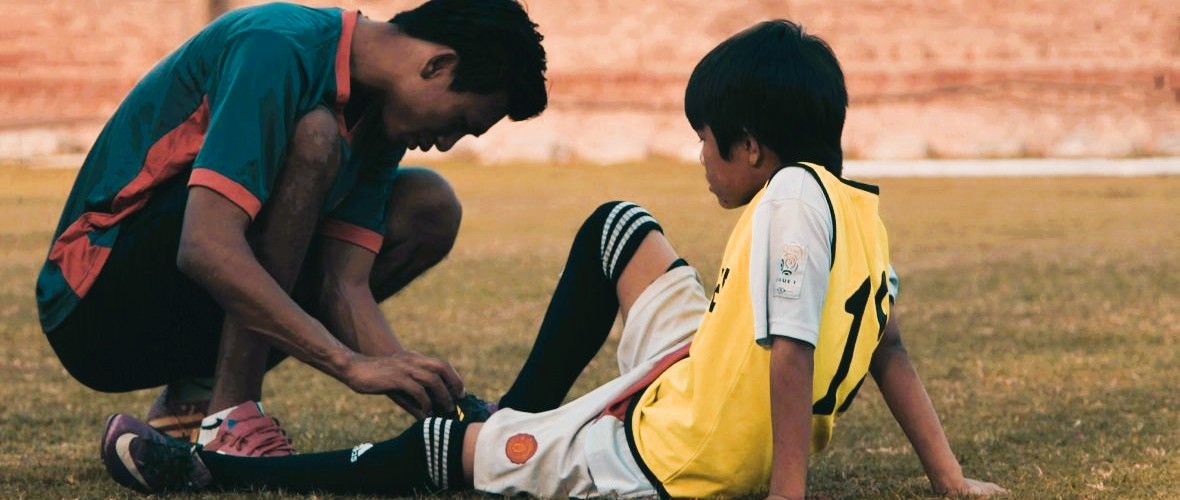
It can happen anywhere, anytime: on the pickleball court, during a pristine nature hike, or even while stepping off the front porch on the way to work. An ankle turns, a knee buckles, and suddenly you’re on the ground wondering what just happened. While such injuries often seem random, researchers who study human movement know they are rarely without warning.

Kinesiologists, scientists who study the mechanics and physiology of movement, have found that subtle changes in muscle activation, fatigue, coordination, balance, and neuromuscular control often emerge long before a strain, sprain, or overuse injury becomes apparent. To better understand these hidden danger signs, researchers increasingly rely on physiological measurements that reveal how the body’s muscular, nervous, cardiovascular, and biomechanical systems respond to activity. Such insights help identify injury risk factors and guide strategies designed to keep people moving safely and effectively.

Among the many tools used in kinesiology research, electromyography (EMG) is one of the most common because it reveals when and how muscles activate during movement. However, EMG is only one part of the story. Researchers also study force production, joint motion, movement acceleration, cardiovascular activity, respiration, muscle oxygenation, and neural activity to better understand how the body adapts to physical demands. Together, these measures provide a more complete picture of movement and help uncover patterns that observation alone may miss.

The applications of this work extend far beyond sports. Physiological monitoring helps clinicians evaluate rehabilitation progress, guide return-to-activity decisions, support fall-prevention efforts among older adults, and help design safer workplaces and training programs. Increasingly, researchers are shifting from simply treating injuries to identifying and addressing the factors that contribute to them before they occur.

Researchers in India conducted a cross-sectional study comparing elite and recreational university badminton athletes to explore whether physiological and neuromuscular characteristics could serve as injury-risk markers. The investigators collected a range of performance and neuromuscular measurements, including surface EMG recordings, to examine differences between competitive levels and establish preliminary benchmarks for injury-risk stratification. Surface muscle activity was recorded using a BIOPAC two-channel data acquisition system as part of the neuromuscular assessment protocol. The study found that elite athletes exhibited distinct physiological and neuromuscular profiles compared to recreational players, suggesting that objective physiological markers may help identify movement patterns and performance characteristics associated with increased injury vulnerability. These conclusions support the growing use of physiological profiling to identify athletes who may benefit from targeted injury-prevention strategies before injuries occur.

A team of researchers in Tunisia investigated how fatigue of the ankle evertor muscles affects force perception and neuromuscular function in healthy adults. Ankle injuries are among the most common musculoskeletal injuries in both athletic and recreational populations, making ankle stability an important area of study. Using surface EMG to measure muscle activity before and after a fatigue protocol, the researchers examined how localized fatigue affected participants’ ability to accurately reproduce force levels. Researchers used a BIOPAC EMG amplifier and data acquisition system to record electrical activity from muscles involved in ankle stabilization. The researchers found that fatigue impaired force perception and altered neuromuscular responses, suggesting that fatigue may reduce the body’s ability to control ankle movements accurately. The study results add to growing evidence that fatigue-related physiological changes can increase injury risk, particularly during prolonged exercise or competition when neuromuscular control begins to decline.

A multi-institutional team of researchers from the United States examined neuromuscular function in individuals who had undergone anterior cruciate ligament (ACL) reconstruction, comparing them with healthy controls. The researchers wanted to better understand whether the relationships between muscle performance, muscle activation, and nervous system function change after ACL surgery. Participants completed a series of strength and neuromuscular assessments, with quadriceps muscle activity recorded using a BIOPAC data acquisition system with AcqKnowledge software and an EMG amplifier. BIOPAC isolated stimulators were also used during testing to help determine how fully participants could activate their quadriceps muscles. The study found that several relationships observed in healthy knees were no longer present after ACL reconstruction, suggesting that changes in neuromuscular control can persist long after surgery and rehabilitation are complete. These findings highlight how physiological monitoring can uncover hidden deficits that may not be apparent during routine recovery assessments, helping clinicians make more informed return-to-sport decisions and potentially reducing the risk of future injury.

As these examples demonstrate, physiological measurements give researchers powerful tools to identify injury risk before injuries occur, understand how fatigue alters movement control, and evaluate recovery following musculoskeletal injury. By revealing the physiological mechanisms that influence human movement, signals such as EMG and related neuromuscular measures help bridge the gap between laboratory research and practical injury-prevention strategies. As kinesiology research continues to evolve, physiological monitoring will likely play an increasingly important role in supporting safer movement, more effective rehabilitation, and improved long-term physical performance.


Are you planning a kinesiology-focused study? BIOPAC local sales representatives have the information you need to design and equip your research project.

Going for Gold: Physiology Research Powers Olympic Athletes

As the world’s top athletes gather for the 2024 Olympic Games in Paris, they hope that years of rigorous preparation and training to ensure peak performance will pay off with a trip to the winner’s podium. Physiology research plays a critical role in these preparations, providing athletes and their coaches with valuable insights into how to best optimize training regimens and enhance athletic performance. With the introduction of new sports in the competition, understanding the specific physiological demands of each sport is critical. Advanced tools and techniques, like those developed by BIOPAC, allow researchers to study the body’s responses to different types of movement, providing tailored training programs that cater to the unique needs of each athlete.

A range of physiological signals is pivotal in sports and exercise research. Electromyography (EMG) is used to analyze muscle activation patterns, helping athletes refine their movements for efficiency and power. Electrodermal activity (EDA) provides insights into stress and arousal levels, which are essential for mental preparation and focus. Monitoring respiration rates and patterns can optimize breathing techniques, while electrocardiography (ECG) and heart rate variability (HRV) assess heart health and endurance capacity. By integrating these physiological signals, researchers and coaches can develop comprehensive training strategies that improve performance and minimize injury risk, giving athletes the best chance at Olympic gold.

One of the newest sports introduced at the Paris Olympics is breaking or competitive breakdancing. Olympic breaking competitions will feature teams of male and female competitors facing off with opposing teams in one-on-one dance battles. Dance, whether competitive or recreational, has been the subject of extensive study as researchers have examined this intersection of music and rhythmic bodily movement. A study published in 2021 in the journal Nature examined how younger and older adults timed bodily movement to both metronomic rhythms and music. The study compared participants’ responses to auditory cues from a metronome and music with finger tapping, toe tapping, and dance steps. The pace of whole-body stepping movements was recorded using BIOPAC heal-toe strike sensors attached to participants’ shoes with data fed to a data acquisition and analysis system running AcqKnowledge software. The study found that whole-body movement with musical accompaniment positively influenced participants’ ability to time movements accurately with encouraging implications for the treatment of rhythmically impaired individuals, such as those with developmental disorders.

Paris 2024Surfing debuted at the 2020 Olympics in Tokyo and is returning for the Paris games where it will be joined by two new aquatic additions, kiteboarding and kayak cross. The surfing competition for 2024 will be held in the French territory of Tahiti. Physiology studies have played a key role in preparing competitive surfers for the ultimate test of their skills. A study published in a 2021 issue of Nature investigated how surfers’ paddling cycles affect fatigue. Paddling is a primary component of a surfer’s ability to catch the best waves during competition. Researchers measured participant velocity as they paddled in a pool while tethered to a cable that measured propulsive force. Velocity data was recorded using a BIOPAC data acquisition and analysis system running AcqKnowledge. Untethered velocity was also measured using a cable-based speedometer device with data also transferred to the data acquisition system. According to the researchers, the data gathered should help in the development of “a powerful and endurable metabolic base while reducing energy cost during surfing paddling,” which could play a key role in future training programs.

Boxing’s inclusion in the Olympics dates back to the original games in Ancient Greece. Modern trainers look to research conducted in the physiology lab to enhance their fighters’ competitive edge. A 2023 study by a group of researchers in Pakistan used EMG to measure muscle activity when comparing the effectiveness of two types of punches: the jab and the cross. Researchers used a force plate to measure the impact force of each type of punch, while electrodes attached to the participants’ biceps and triceps recorded EMG data via a BIOPAC data acquisition system.  While both punches delivered similar force, the triceps carried most of the workload during the jab. The research may provide insight into how to best manage fatigue during competitive bouts.

These are just a few examples of how sports physiology research powered by BIOPAC tools and techniques is preparing today’s athletes to compete at the highest levels. For additional information on how BIOPAC can help your sports-related study, see our webinars on exercise physiology using our BioNomadix and Research Ring wireless recording tools and product lines.


Are you planning sports or exercise study? BIOPAC’s regional sales reps are standing by to assist you in finding the right tools for the best results possible.

A Heartbeat Away: HRV Unlocks Autonomic Insights

The beating of the heart holds the key to a myriad of physiological questions that are of interest to researchers. The measured variation in time intervals between consecutive heartbeats, otherwise known as Heart Rate Variability (HRV), provides valuable insights into the activity of the autonomic nervous system, reflecting the balance between sympathetic and parasympathetic influences on the heart.

HRV allows researchers to assess cardiac health, stress levels, and overall autonomic function, making it an invaluable component of physiological studies to investigate numerous areas such as cardiovascular health, mental health, stress, and exercise physiology to name just a few.

A recent study applied HRV to examine the effectiveness of yoga and Ayurveda, a form of alternative medicine traditionally practiced in India and Nepal, to regulate and treat lymphedema. Lymphedema is tissue swelling caused by an accumulation of protein-rich fluid that’s usually drained through the body’s lymphatic system. Because lymph drainage has been connected to autonomic function, researchers postulated that HRV would provide meaningful insight into the effectiveness of yoga and Ayurveda programs in treating lymphedema. A BIOPAC two-channel BSL data acquisition system was employed to gather HRV and respiration data of participants who underwent an intensive regimen of yoga exercise, limb soaking, herbal baths, and manual lymph drainage. Initial comparisons of HRV data between both the test and control groups showed significant improvement in the lymphedema patients following treatment.

beating heartIn many cases, researchers choose to combine HRV with other signals to provide a more detailed picture of a participant’s autonomic response to stimuli. A 2020 study sought to identify an effective noninvasive measure of how the sympathetic nervous system (SNS) responds to stimuli. Typically, such measurements involve the invasive recording of muscle sympathetic neural activity at the peroneal nerve. This study examined HRV and electrodermal activity (EDA), both separately and in combination, to see which provided the most effective measurement of SNS activity. Researchers measured participants’ SNS response to both a cold-pressor test (submerging hand in ice water) and while viewing emotionally challenging video images. Throughout both tests, continuous ECG and EDA signals were acquired and analyzed using a BIOPAC four-channel data acquisition system. An ECG100C and EDA100C were used to acquire the ECG and EDA signals, respectively. From their results, researchers concluded that the combination of HRV and EDA provided a better metric for SNS activity than HRV alone.

Whether alone or in combination with other signals, HRV offers researchers a powerful tool for measuring how the autonomic nervous system responds to a wide range of stimuli and conditions with applications across a broad spectrum of fields. Visit our Webinars page for multiple examples of how HRV is being used in research and check our HRV citations as well.


Are you designing a study that features HRV? BIOPAC’s regional sales reps can help you access the right tools for the job to ensure the best possible results. Contact us today!

Faster, Stronger, Further—Unlocking the Body’s Potential with Exercise Physiology

Every athlete seeks the winning formula that will make them more competitive. Add coaches, trainers, weekend warriors, and everyday health enthusiasts to the mix, all looking for an edge to improve fitness, shorten recovery times, and avoid injuries. Exercise physiology plays a key role in gaining such advantages and insights.

Exercise physiology encompasses the scientific study of how the body responds and adapts to exercise and physical activity. It covers a wide spectrum of systems including the cardiovascular, respiratory, and musculoskeletal as well as metabolic function and overall performance. Today’s exercise physiologists benefit from a range of tools and techniques to measure, collect, and analyze such responses and acquire a better understanding of the ways in which exercise affects both humans and other animals, including solutions that integrate the latest virtual reality and eye tracking technology.

This type of research is not without its challenges. Study participants are often required to be physically active during data acquisition. The tools employed in such instances must allow participants to move freely without introducing signal artifacts or noise into the data. A 2021 study into the physiological progression of fatigue shows how researchers can resolve such problems by employing wireless devices such as BIOPAC mobile EMG amplifiers, used in this case to measure strain to the biceps and triceps during exercise. Researchers successfully gathered a range of EMG data with no negative effects from the physical exertion of the study participants.heavy lifting

Exercise physiology research has also been applied to the treatment and management of exercise- and sports-related injuries, both acute and chronic. Additionally, studies have investigated the connection between physical activity and pathology, revealing new ways to prevent or reduce the progress of certain diseases.

A 2020 study by researchers at the University of Udine examined the effects of both exercise alone and exercise combined with a high-protein diet on patients with late-onset Pompe disease, a neuromuscular disorder that degrades a person’s tolerance to physical activity. The study explored which routine had the greatest impact, if any, on a patient’s exercise tolerance, muscle and pulmonary functions, and quality of life. A BIOPAC isometric dynamometer measured muscle force generated by the right leg and arm during flex and extension tests. Data gathered with a BIOPAC data acquisition and analysis system running AcqKnowledge software demonstrated that the combination of exercise and a high-protein diet did improve exercise tolerance, muscle enzymes, pulmonary function, and quality of life for the patients.

Exercise physiology research also sheds light on the ways in which exercise impacts mental and physical wellness. A study published at the Ho Chi Minh University of Technology used heart rate variability (HRV) to evaluate the influence of stress, both physical and mental, on the performance of stationary bike trainees. During the experiment, electrocardiogram (ECG) signal data was gathered from participants using an MP36 data acquisition unit running Biopac Student Lab (BSL) software over a two-month exercise regimen. Based on the results of the study, researchers concluded that HRV provided a useful window into how stress impacts performance and that HRV data could be used as a management tool to monitor stress levels during training.

The techniques and tools available to today’s exercise physiology researchers are as diverse and varied as the areas in which they are being employed, from athletic performance monitoring and enhancement to wellness studies. For more information on how such tools can benefit your exercise physiology research, watch BIOPAC’s webinar on Recording Great Data from Exercising and Mobile Subjects.


Our regional BIOPAC sales reps are ready to help you find the right tools to design your next exercise physiology study. Contact them today to learn more.

Eye-Catching: Mobile Tech Enhances Immersive Experiments

Freed from the limitations of stationary eye tracking technology, mobile eye tracking enables researchers to study their subjects while they perform a wide range of immersive tasks in natural settings.

Sixteenth-century pediatrician Thomas Phaer mused that “the eyes are the windows to the soul.” These sensory organs and their movements certainly provide a wealth of information to researchers studying the interaction of mind and body. Eye tracking has long been a key tool of physiological and psychophysiological research, and recent developments in mobile eye tracking take this valuable data resource out of the confines of the lab and into the real world.

Freed from the limitations of stationary eye tracking technology, mobile eye tracking enables researchers to study participants while they perform a wide range of immersive tasks in natural settings. These self-contained devices come in a variety of form factors including wearable glasses that provide untethered eye tracking data acquisition in real time that can be combined with other physiological data collected during live experiments.

Today’s lightweight mobile devices can record a broad spectrum of eye tracking data, including pupil size and position, gaze path, vergence angle, and areas of interest (AOI). The latter connects stimuli to eye-movement metrics, providing data on the participant’s psychophysiological response to stimuli within their field of vision. In previous blog posts and webinars, we have explored how mobile eye tracking technology gathers this data. Numerous studies have been published that demonstrate its potential in physiological and psychophysiological research. Settings and applications include user experience, sports and physical therapy, public safety and law enforcement, driving and equipment operation, and work environments from the office to the factory floor.

Mobile eye tracking technology allowed researchers at The University of Sheffield to take their experiments to the city streets for a 2020 study into how different lighting affects cyclists navigating urban environments at night. Mobile eye tracking provided data on the gaze behavior of nocturnal cyclists in parallel with skin conductance response (SCR) to better understand how obstacle detection is influenced by variations in type, location, and level of lighting. Bicycles and their riders were equipped with a BIOPAC data acquisition unit and audio stimulation units along with a BioNomadix EDA transmitter and electrodes to record the participants’ SCR. Eye tracking data, including AOI, were synchronized with SCR data and analyzed using AcqKnowledge software to determine how the riders reacted to a variety of lighting conditions. Researchers concluded that lighting plays a significant role in riders’ comfort levels at night and that improved lighting could increase urban bicycle use.

VGM playerLess intrusive by design, mobile eye tracking can provide indoor experiments with a heightened degree of immersion. A study at the University of British Columbia used mobile eye tracking glasses to create a more natural environment to investigate how the immersive effects of electronic gaming machines (EGM) impact gambling addiction. The study looked at how machine design triggered psychophysiological responses in participants by assigning various AOI to EGM screens. ECG data were recorded along with respiration effort via a BIOPAC respiration effort transducer and amplifier, which were fed to a data acquisition unit and synchronized with AOI data recorded via mobile eye tracking glasses. The study was able to successfully identify several key markers for game immersion using AOI that suggest behavioral links between immersion and gambling addiction.

Possible applications for mobile eye tracking in research continue to expand with the evolution of the technology. To learn more about recent developments in mobile eye tracking, check out our latest webinar on mobile eye tracking glasses with AcqKnowledge integration.


Learn more about how to integrate mobile eye tracking into your next research project by contacting your local BIOPAC sales representative.

Balancing Act: HRV Provides Critical Marker for Psychophysiological Health

Two college wrestlers square off on the mat awaiting the signal that will begin their match. To the casual observer, the outcome seems impossible to predict. Their coach, however, knows one competitor has a clear advantage—a heart rate variability level (HRV) that is higher than his opponent’s. Examining HRV data provides more than insight into athletic performance, it offers a window into a broad spectrum of functions that influence psychophysiological health.

HRV balanceIn simple terms, HRV is the natural variation in the intervals between each heartbeat over time. Unlike a ticking clock, our hearts do not beat at a constant rate. As such, variations in heart rate can provide a wide range of valuable information on our bodily systems. This is because HRV represents a balancing act between our sympathetic and parasympathetic nervous systems, which together make up the autonomic nervous system. As we have discussed in previous posts, the autonomic nervous system controls nearly all the body’s involuntary functions.

The sympathetic nervous system is activated in times of stress or danger (i.e., the fight-or-flight response), during which our bodies sweat, our heart rates increase, and the interval between beats decreases. Conversely, the parasympathetic nervous system acts as a sort of switch, shutting down the sympathetic nervous system and activating a relaxed state (i.e., rest and digest). To do this, it releases acetylcholine, a neurotransmitter that makes the heart beat slower and at greater intervals.

When these two systems are in balance, they produce higher HRV through a more variable heart rate. Greater variability has been associated with the body’s ability to switch between these systems. Thus, HRV is used as a health marker, such that high HRV is associated with better cardiovascular health, mental focus, emotional health, stress management, and ability to recover from exercise, while low HRV is associated with inflammation, chronic fatigue, increased stress, depression, and chronic pain.

HRV has also been connected to willpower and is a predictor of persistence and self-control. HRV increases during periods of self-regulation sometimes called the “pause and plan response.” As such, HRV has been particularly useful in research into the mechanism associated with addiction. A 2019 study used HRV to explore how chronic pain patients treated with opioids could regulate drug cravings and depression through dispositional mindfulness. Electrocardiogram (ECG) data were sampled with a BIOPAC data acquisition unit while HRV was calculated with AcqKnowledge software.HRV chart

Because HRV plays such a critical role in physical and psychological health, several studies have investigated how to self-regulate HRV, including examining how it is affected by posture. A 2020 study used a  2-channel BSL data acquisition unit to gather ECG data to calculate HRV for a variety of bodily positions to determine their impact.

A similar study examined the link between HRV and resilience, i.e., the individual’s ability to return to stable physical and psychological equilibrium after experiencing stress. HRV calculations were made from data gathered via a BIOPAC ECG100C ECG amplifier, RSP100C respiratory amplifier, and EDA/GSR amplifier. The study identified possible trends connecting resilience factors and HRV levels during specific stress-inducing simulations.

Calculating HRV with BIOPAC hardware and software solutions provides researchers with a myriad of psychophysiological insights for their lab work. Learn more about HRV from our Knowledge Base entry, as well as application notes on data preparation for analysis and statistical and geometric measures.


For additional information on how BIOPAC can assist you with a wide range of research and educational applications, contact your local sales representative.


Meet Them Where They Are—Portable Wireless Solutions

Once relegated to tightly controlled lab environments where electrode-laden participants were observed at close quarters, researchers are now able to extend the lab into the everyday environment over nearly limitless distances. Top quality physiological data can be acquired from untethered subjects performing tasks ranging from sleeping comfortably in their own beds to engaging in high-impact sports. How and when did this deep dive into unfettered physiology become possible? We offer a brief examination of the solutions currently offered as the 2020s emerge.

BioNomadix BioShirt

Lightweight, comfortable, and some might even say fashionable, the BioNomadix BioShirt uses a respiration sensor and fabric electrodes to wirelessly record respiration and ECG from ambulatory subjects performing unfettered tasks in short or long-term studies, in the lab, or in the real world. The shirt connects to a BioNomadix wireless Respiration & ECG Transmitter (BN-RSPEC) secured in a small pocket on the front of the BioShirt—no electrodes, gels, or wires need apply. Wireless data can be transmitted to a BioNomadix Smart Center, Logger or matched Receiver+MP160/MP150 System. BioShirts provide a high level of comfort and are ideal for long-term physiological monitoring. The ECG and respiratory signal are obtained by means of sensors made of yarns that are fully integrated into the shirt’s textile structure. Sensors are made of fibers directly woven during the production process, and connections between sensors are obtained using conductive fibers for a totally unobtrusive, highly comfortable sensorized garment. The base yarn is composed of anallergic and antibacterial materials to guarantee safe and prolonged use. Machine washable with mild detergent—do NOT use fabric softener.

Smart Center

The BioNomadix Smart Center is a small-form USB-powered data acquisition unit that can record data from up to three wireless BioNomadix transmitters at a time. The transmitters are automatically detected and paired using a guided setup wizard. Smart Center is compatible with 14 different BioNomadix Transmitter types encompassing all major body signals. AcqKnowledge data acquisition and data analysis software also supports monitoring transmitter battery levels, automatic configuration of derived signals and guided analysis based on the type of recorded signals. Adhesive Velcro disks are included for mounting on various surfaces. Smart Center offers a compact and sophisticated physiology platform that sets up in minutes. Simply plug the Smart Center into the computer, set up the transmitters and subject, then start recording high quality data with AcqKnowledge software.

BioNomadix Wireless Wearable Physiology Logger

Offering the industry’s only system that delivers a comprehensive, 24-hour data logging solution in an easy-to-use, easy-to-wear package, the BioNomadix Logger truly delivers “physiology anywhere.” The BioNomadix Logger is the perfect tool for applications that demand greater degrees of subject freedom and complex experimental design. BioNomadix Loggers wirelessly record physiological data as subjects freely and naturally live their lives.

BioHarness Telemetry and Logging Systems

BioHarness with AcqKnowledge software is a lightweight portable biological data logger and telemetry system that monitors, analyzes, and records a variety of physiological parameters including ECG, respiration, posture, and acceleration. BioHarness applications include physiology, psychology, psychophysiology, exercise physiology, ergonomics, human factors, and more. The BioHarness operates in Bluetooth transmitting mode for live viewing of data or data logging mode. In the data logging mode, BioHarness acquires and saves the data for later download to AcqKnowledge software using the included USB docking and charging cradle.

Eye Tracking Glasses ETV

The ETVision (ETV) wearable unit resembles a pair of eyeglasses that can be worn by itself or over the participant’s prescription eyeglasses. The glasses incorporate miniature “eye cameras” for viewing each eye and a “scene camera” that views what the participant is looking at. A built-in microphone is included, and an optional visor can be mounted to the front of the headgear. Recording video and audio data to an SD card for later data processing allows the participant to be completely untethered during data recording. This is useful while engaging in long term activities away from the lab such as walking, bicycling, or driving.

For more information about BIOPAC wireless solutions, we invite you to view the following resources:


BIOPAC offers a wide array of wired and wireless equipment that can be used in your research. To find more information on solutions for recording and analyzing signals such as ECG, heart rate, respiration and more using any platforms mentioned in this blog post, you can visit the individual application pages on the BIOPAC website.

Photo by Fabio Comparelli on Unsplash

Exercise Physiology – Pulling Out All the Stops

Everyone has experienced showing up at the doctor’s office and being tasked with sitting very still while vital signs are taken. You sit almost trance-like, concentrating on slowing your heartbeat, willing your blood pressure down, avoiding any sudden movement that might affect the signals being monitored for posterity. It’s quite another matter when body signals are being monitored and measured from someone in full motion, particularly an elite athlete, all systems performing at maximum capacity. How are multiple facets of our physiology accurately captured when we are puffing and sweating at full exertion? Don’t these movements introduce artifact into the data and affect its quality? Won’t the result be an unusable mess? The truth is with proper setup and hardware, acquiring accurate signals from exercise physiology subjects has never been easier.

Signals typically and simultaneously acquired during exercise physiology studies are heartbeat (ECG), respiration (RSP), muscle activity (EMG), in addition to oxygen uptake, carbon dioxide production, blood pressure, core/surface temperature data, range of motion, and even GPS, if the participant is performing the activity outside the lab.

An important factor in exercise physiology studies is choosing the right electrodes, as well as their placement. We recommended using long-term electrodes, such as EL502, which can be worn up to 24 hours. If sweat is a problem, use stress electrodes which adhere better and are resistant to moisture. For even better adhesion to contoured parts of the body, use fabric electrodes. It is also important to prep the electrode site correctly, by first abrading the skin using an ELPAD, and making sure the electrode has sufficient conductive gel.

For measuring ECG signals, particularly Lead II, place the electrodes over bone such as a clavicle or rib to minimize movement artifact. For studies involving a lot of abdominal movement, a Lead I ECG configuration is recommended (left and right clavicle placement). This will help assure a good ECG signal during exercise.

If the participant is inside the lab (say, on a treadmill or exercise bike), a “wired” system, such as BIOPAC’s MP160 System with 100D-Series Smart Amplifiers is a good choice. Up to 16 channels of data can be acquired which can be extended to include 16 calculation channels of derived signals or online filters. For more freedom of movement, the MP160 System with BioNomadix wireless transmitters/receivers offer unrestrained comfort, including a BioShirt with built-in ECG fabric electrodes and RSP transducer. The wireless BioNomadix System has a range of 10 meters line-of-sight between transmitters and receivers. For long-term studies outside the lab, the BioNomadix Logger records and logs data for up to 24 hours while the subject goes about their protocol.

An additional wireless system commonly used for exercise studies is the Mobita System. Mobita is wireless, and like the aforementioned systems, works with the MP160 and AcqKnowledge software for recording and advanced analysis. Mobita is compact enough to fit in your hand and will record up to 32 channels of biopotential data.

No reason to keep still or be quiet any longer. With this many choices, acquiring high-quality exercise physiology data over a full range of body signals is within easy reach.

For more information about exercise physiology and how to maximize your results, we invite you to view our free webinar, Recording Great Data from Exercising and Mobile Subjects.

Why Smart Technology Is Smarter

Physiological research studies require a great deal of focused expertise, including an ability to properly set up all necessary equipment for the study at hand. This has long consisted of overseeing a host of manual hardware connections and software settings, and mistakes can be frustrating. The good news is most users become proficient at these detailed configurations, but wouldn’t it be a welcome change if these setups were easier? Think about how helpful it would be if the hardware and software were “smarter” and actively worked on your behalf. This is now a reality with the smart technology offered by BIOPAC’s newly-released line of 100D Smart Amplifiers.

What is smart technology and what makes Smart Amplifiers smarter? To begin with, these amplifiers are significantly smaller than standard amplifiers (only 4.6 mm in length) and have no buttons or switches. The convenient lightweight design is a powerful benefit, enabling these amplifiers to be attached closer to the participant’s body. Because the amp itself is positioned near the signal source(via a lightweight 3-meter cable), the resulting data is of superbly high quality, with less noise and artifact than conventional amplifiers. But let’s get to the smart part. The smart technology in Smart Amplifiers enables them to do the setup work for you. Each Smart Amplifier, regardless of signal type,  self-configures to the optimally recommended settings, negating the need for user-defined adjustments or monitoring of physical switch positions. Simply plug the amplifier into the new AMI100D Input Module now included with every BIOPAC MP160 System, launch the AcqKnowledge software, and begin recording data.

To minimize setup time and errors in the lab, Smart Amplifiers utilize auto-detection and auto-identification technology. Not only do they self-configure, they also alert you (via a software dialog) whether the amplifier is connected to the correct channel. So basically, using Smart Amplifiers right out of the box is a three step process. 1) connect the amplifiers, 2) select any desired calculation channels for derived signals, 3) click Record. That’s it.

Frequently-used calculation channels or transformations are pre-configured for all signals and can be enabled by simply checking a box in the amplifier’s software UI. (For example, the ECG100D Smart Amplifier offers options to add heart rate and/or R-R interval, and will automatically place these derived signals in a separate calculation channel in the AcqKnowledge graph.)

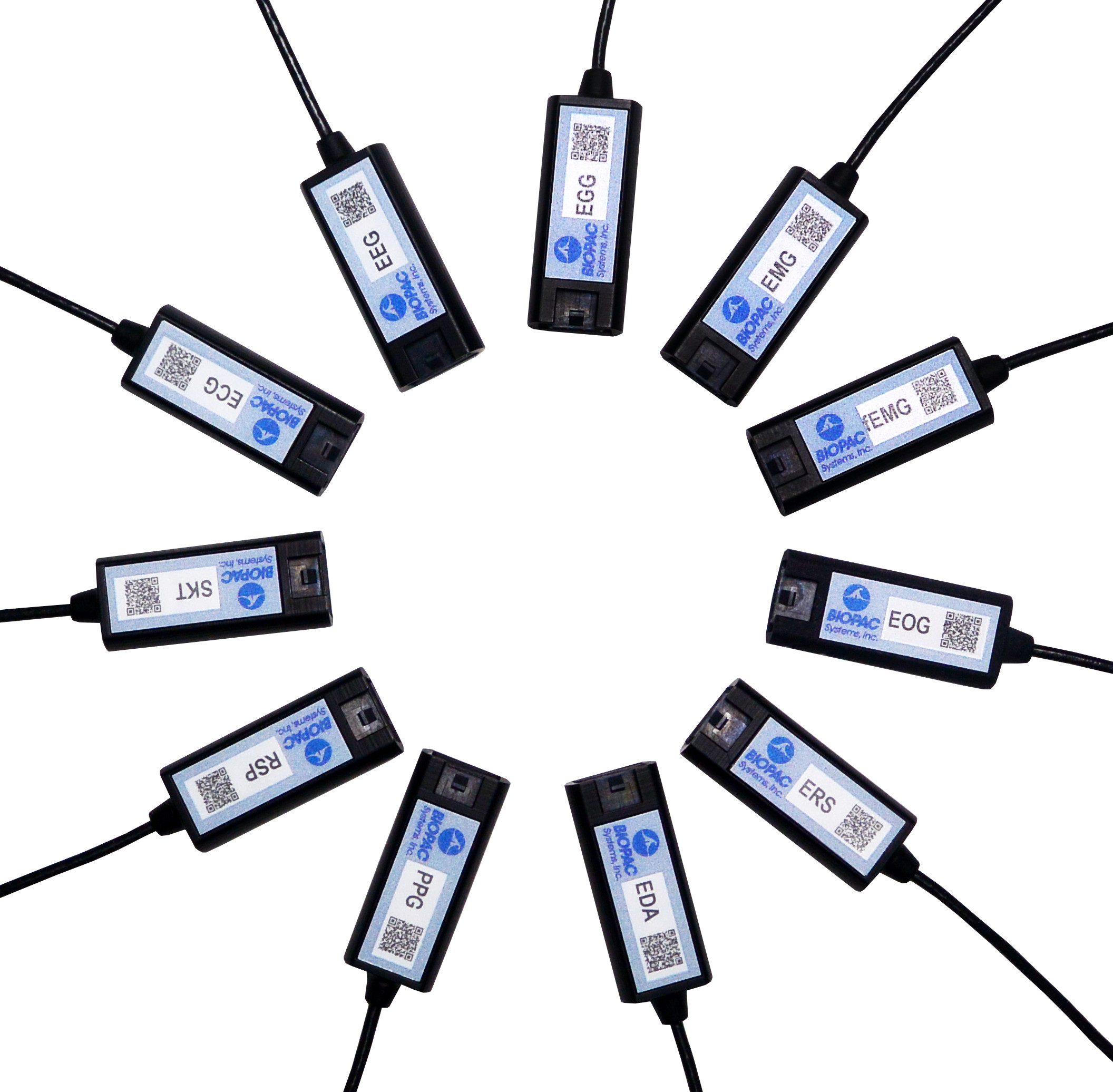
Smart Amplifiers are available for the following signals: ECG, EEG, EGG, EDA, RSP, PPG, ERS, EOG, SKT, EMG and new fEMG (facial and small muscle).

Significantly smaller footprint, simple setup, unparalleled user comfort, superlative data quality, compatible with previous-generation BIOPAC amplifiers (such as 100C and BioNomadix Series), portable and lightweight, Smart Amplifiers will be an epiphany for your research.

To see Smart Amplifiers in action, we invite you to watch our free on-demand webinar New Smart Technology for the Lab.

BIOPAC offers a wide array of wired and wireless equipment that can be used in your research. To find more information on solutions for recording and analyzing signals such as ECG, heart rate, respiration and more using any platforms mentioned in this blog post, you can visit the individual application pages on the BIOPAC website.

error: Content is protected !!