Hands-on Learning: How Real‑Time Physiological Data Deepens Clinical Education

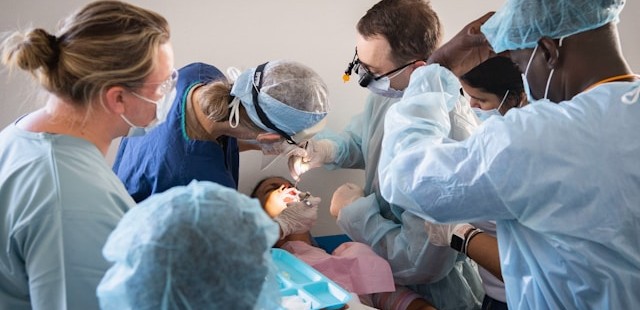
Physicist Albert Einstein noted, “The only source of knowledge is experience.” This principle is particularly relevant in healthcare education, where hands-on learning is vital for cultivating the skills needed to care for patients effectively. The practice of recording and analyzing physiological signals in the learning lab serves as a powerful teaching tool, enabling students to immerse themselves in real-world scenarios and reveal autonomic responses, cardiovascular patterns, and emotional states that are often hidden from view.

For students in nursing, dentistry, and pharmacology, engaging with these signals transforms abstract concepts into concrete, measurable experiences. By analyzing heart activity, visual attention, stress markers, and pharmacodynamic effects, students not only enhance their critical thinking skills but also prepare themselves for clinical challenges with greater confidence.

Physiological signals across the health sciences teach learners to interpret subtle features embedded in physiological waveforms. Modern teaching laboratories increasingly incorporate multimodal systems to help students better understand the complexity of human physiology.

Nursing programs emphasize accurate patient monitoring and interpretation of vital signs, including electrocardiograms (ECG) and heartrate variability (HRV). A 2025 study published in Sensors evaluated the validity of Apple Watch Series 6 HRV data against laboratory‑grade ECG recordings using a BIOPAC 3‑lead ECG system to provide a comparative baseline for measurement. By synchronizing event markers between the Apple Watch and BIOPAC timeline, researchers ensured precise temporal alignment for comparing R‑R intervals and HRV indices. The results showed near-perfect agreement in R-R interval timing under resting conditions, indicating that such wearable devices can serve as a reasonable tool for certain wellness-oriented assessments. At the same time, the BIOPAC system remains the gold standard for precise physiological analysis.

For nursing students, this study demonstrated that consumer wearables must be validated against clinical-grade systems before being relied upon for assessment or decision-making. By examining the comparative data, students can explore how artifacts, sampling frequencies, and sensor placement influence the fidelity of HRV measurements. Moreover, because HRV relates directly to autonomic balance and stress physiology, the study provides a meaningful touchpoint for nursing courses in pathophysiology and patient assessment. Through hands‑on lab sessions using BIOPAC ECG amplifiers, students can visualize waveform morphology, measure beat‑to‑beat variability, and learn how cardiovascular signals reflect underlying homeostatic regulation.

Dental students should understand not only the mechanics of clinical procedures but also the emotional and perceptual experiences of their patients, especially children. A 2025 cross-sectional pilot study in the European Archives of Paediatric Dentistry used an eye tracking and  data acquisition and analysis system from BIOPAC to measure children’s gaze behavior and physiological stress when viewing images of dentists, dental chairs, and operatory designs.

Using eye-tracking metrics such as mean dwell time, fixation count, time to first fixation, and total fixation time, researchers found that study participants stared longer at dentists wearing white coats, indicating a perception of compitance and safety, but also indimidation. In addition, gender matching mattered, as children showed longer fixation on dentists of the same gender. The study also found that warm‑colored dental chairs (especially yellow) attracted greater visual attention, particularly among younger children. Simultaneously, HRV and ECG signals recorded with the BIOPAC system revealed that younger children exhibited greater autonomic arousal than older peers when exposed to dental images.

These findings offer dental students actionable insights into clinic design, caregiver attire, and emotional perception, all of which influence pediatric patient comfort. The study demonstrates how combining eye tracking with physiological monitoring can reveal otherwise hidden psychological responses. For dental educators, integrating such physiological signal analysis into coursework helps students develop empathetic, patient‑centered care strategies.
colored pillsIn pharmacology courses, students learn how drugs influence physiological systems. A study published in Brain Sciences investigated the lingering cardiovascular effects of caffeine, challenging the assumption that its effects dissipate within six hours. Using BIOPAC respiratory transducers, noninvasive blood pressure modules, bioimpedance amplifiers, and ECG amplifiers connected to a data acquisition and analysis system researchers monitored participants before and after consumption of caffeinated and decaffeinated coffee. Results showed measurable changes in heart rate, respiratory patterns, and thoracic impedance well beyond the expected metabolic window, suggesting caffeine’s physiological effects outlast its pharmacokinetic half‑life.

For pharmacy students, these findings reinforce critical distinctions between pharmacokinetics (drug metabolism) and pharmacodynamics (physiological response). By analyzing real‑world signal data, learners gain a more nuanced understanding of how stimulants affect autonomic regulation. Such insights prepare future pharmacists to counsel patients on medication timing, drug interactions, and individual responses to common agents such as caffeine.

Across nursing, dentistry, and pharmacy, physiological signals provide potent educational value. They bridge the gap between theory and clinical application by giving students concrete, measurable access to physiological processes such as autonomic reactivity, cardiovascular regulation, and perceptual attention. Using both research and education-based lab systems, learners can visualize real-time physiological data, develop analytical skills, and cultivate a deeper understanding of the human body under stress, stimulation, and clinical observation.

As healthcare grows more data‑driven, integrating hands-on experience with signal acquisition into professional training helps future clinicians interpret complex physiological information with confidence. Whether validating wearable devices, improving pediatric patient experiences, or exploring drug‑induced autonomic effects, physiological signals empower students to connect scientific principles with evidence‑based, care. Check out our webinar, Advancing Practical Learning: Biosignal Essentials, to learn more.


If you’re exploring ways to incorporate physiological signals into your curriculum or simulation lab, our team is ready to help identify the best tools and workflows for your program.

Back to School: Studying the New Frontiers in Digital Learning

As students return to the classroom and the academic year kicks off, it’s worth acknowledging that the campus is not just a setting for learning. The classroom and the academic processes within it are ripe for study. The application of physiological and psychological signals in education research has become increasingly vital to understanding academic performance and optimizing teaching methods.

With the proliferation of online teaching, particularly during the COVID-19 pandemic, researchers have gained unprecedented access to diverse digital learning environments. By analyzing data like eye-tracking, heart rate, and brain activity, alongside cognitive and emotional responses, educators and scientists can better assess the effectiveness of these tools, offering insights that could revolutionize how we approach learning in the digital age.

A study by researchers in Montreal, Canada examined the impact various video formats had on student engagement and performance during online learning sessions. The research team employed a combination of electrodermal activity (EDA) and facial movement to measure cognitive response to video stimuli. Two groups of study participants were each shown different formats of online learning courses. The first group watched an infographic-based video comprising animated graphics, images, and text. The second viewed a video capture of a professor lecturing in a classroom setting. Cognitive and emotional engagement data were gathered from both groups via BIOPAC wireless EDA amplifiers connected to a BIOPAC data acquisition and analysis system. Further measurement of emotional engagement was conducted using a facial recognition system with facial emotion analysis software. Results of the study showed that while the recorded lecture provided greater emotional engagement over a shorter period, the infographic video results showed a higher level of emotional and cognitive engagement over longer periods resulting in heightened levels of student performance overall.

Increased reliance on computer-focused teaching methods has sparked interest in the psychological and physiological impacts of this approach. A study by a pair of researchers at the Technical University of Munich looked at the physical and emotional responses students experienced in computer-based learning environments (CBLE) to determine if these metrics provided insight into academic performance. The research team gathered a combination of EDA, heart rate (HR), and self-reported data from 32 participants in a CBLE lab. EDA was gathered using a BIOPAC lead set connected to an MP36 data acquisition system running Biopac Student Lab software. Raw electrocardiogram (ECG) data was also collected via the MP36, while heart rate variability (HRV) was calculated using third-party analysis software. Researchers compared physiological data to participant responses. Negative academic affective responses to CBLEs were reflected in increased EDA and HR levels. EDA also showed a positive correlation with learning performance, while increased student boredom was reflected in decreased heart rate. Researchers concluded that EDA could be used as an accurate predictor of academic success in CBLEs.

virtual classroomWhile the addition of virtual learning environments has created new opportunities in digital education, it has also drawn considerable interest as well as sparked some debate among educators regarding their effectiveness and impact on students. Researchers from the University of California, Santa Barbara and the University of Wisconsin published the results of a collaborative study into how immersive virtual reality (IVR) systems are being used in education and their effect on both cognitive and affective processing. Study participants were divided into two student groups. One viewed a biology lesson on the human bloodstream as an interactive animated journey in IVR while the other viewed a slideshow on a desktop monitor. EEG and ECG data were gathered using a B-Alert wireless EEG system while PPG and EDA signals were collected via a BioNomadix Wireless Amplifier. All data was fed into an MP160 data acquisition system running AcqKnowledge. The study concluded that students using the IVR environments not only performed at lower levels than their counterparts using non-IVR methods, but data also suggested higher levels of distraction and reduced engagement in the IVR group based on EEG measures than those who viewed the slideshow. According to the published study, “results support the notion that immersive environments create high affective and cognitive distraction, which leads to poorer learning outcomes than desktop environments.”

The frontier of digital learning is just beginning to be explored. BIOPAC has the tools for gathering a wide range of physiological and psychological data on digital and virtual learning environments. For additional information on integrating digital solutions into your study, see our Webinars page.


Are you planning an education study using physiological signals and data, VR, facial recognition, or eye tracking? Our regional sales staff is ready to help you find the right tools for the job.

Biopac Student Lab | What I Learned This Summer

A Student’s Perspective

Guest post by Ashley F.

Like many of my university peers, I wrapped up my freshman year of college working a summer internship in hopes of gaining valuable professional experience. Rather than relaxing on the beach, I occupied my time between June and August with electronic breadboards and ice bucket plunges. All this took place at BIOPAC where I was tasked with reviewing the BSL PRO Lessons, helping the company continue to refine and improve these teaching aids.

Let me start by confessing that I am not a physiology or anatomy major, but rather a development and psychology major. Given this difference, I did not expect to find that so many of the BSL PRO Lessons connect to what I am studying. BSL PRO Lessons stand out compared to your average textbook for multiple reasons. For me, the primary difference is that with BSL PRO Lessons, you get to watch the data take shape in real-time. And it’s not just random data, but data from your own body—your heart beating, your finger twitching, your eyes tracking a pendulum. Because the data is from you and not a textbook, the lessons are more interesting to analyze.

Throughout the summer, I worked through each “human” BSL Lesson, gaining experience with the software, equipment, and workspace. Each lesson includes a ‘background’ section that provides context to the lesson and connects each one to different concepts. This context makes the data from each lesson relevant to more disciplinary studies than just physiology and anatomy, which in turn broadens the student’s knowledge. Because BIOPAC wanted to test the materials under realistic student lab conditions, I wasn’t given much guidance on how to approach individual lessons. Rather, I would simply read the manual and follow the instructions, which turned out to be surprisingly easy as I figured out how to do most of it on my own.

With a total of 39 BSL PRO lessons, you would expect at least a few to be quite similar. And yet, BIOPAC understood the importance of unique lessons and ensured that each one had a different background section, used different equipment, and covered a different topic.

woman submerging head in cold waterEach lesson includes fun concepts to keep you engaged, like dunking your head in cold water to see how your heart rate changes in Lesson H08: Dive Reflex, using equipment to make your finger twitch in Lesson H06: Finger Twitch, or testing and timing your reflexes in H16: Reflexes & Reaction Time.

While each lesson is unique and covers a different topic in physiology and anatomy, the lessons do follow a clear progression as you move from BSL PRO Lesson 1 to 40. They start shorter, utilizing more basic concepts and equipment. Then, as you progress through the lessons, you begin to work through increasingly complex physiological concepts until you end on a lesson involving the use of a breadboard. This last lesson involves nine separate labs, each as involving as the earlier individual lessons. This amount of work may sound daunting at first, but the skills picked up while completing the previous lessons leave you well-prepared to complete the final lesson and analyze clear data.

Working through BSL PRO Lessons is a unique and interactive experience that allows students to learn, connect, and analyze personalized data from a broad range of physiological and anatomy concepts, leaving you with a well-rounded and contextualized education experience.


Learn more about BIOPAC’s education solutions, including complete teaching systems for a variety of life science disciplines. BIOPAC also provides a wide range of research systems for recording, displaying, classifying, and analyzing physiological signals & measurements.

BIOPAC Systems, Inc. helps life science researchers and educators
measure physiology anywhere, any time, from any subject.
Visit us at www.biopac.com.

Curriculum Roadmap: Guiding Students with HAPS Learning Goals

When planning any journey, choosing the right route can mean the difference between reaching one’s destination or becoming lost in the wilderness. It helps to know the purpose of the trip; is it merely to get from point A to point B, or is the journey itself as important as reaching the destination? What stops need to be made along the way?

These questions can also resonate for instructors as they guide students along their academic journeys, as the goal of instruction is not limited to just reaching a specific destination. It is often about what occurs along the way: experiences, obstacles, and challenges encountered that shape the student and their understanding of the subject matter.

To help students and instructors on the path to better life science education, BIOPAC created a roadmap with its curriculum for the Biopac Student Lab systems (BSL) for life science instruction. The BSL curriculum comprises more than 65 lessons that serve as carefully plotted points on a path to an in-depth and invigorating understanding of general life science disciplines.

This curriculum follows a route established by the Human Anatomy and Physiology Society (HAPS). HAPS has created a set of learning goals, guidelines, and outcomes that bring together a range of topics covered in Anatomy and Physiology I & II courses at the university level for both clinical and academic degree programs.

The advantages of following such a path are fourfold. First, students are provided with an outline of course expectations. Just as every journey should begin with a clear understanding of where one is going, knowing learning goals allows students to focus their efforts on what matters most. Furthermore, instructors are encouraged to relate learning goals to real-life applications to provide meaning in a relatable context.

Secondly, with straightforward goals in mind, the instructor will find it easier to manage course design by focusing on key elements of their curriculum. These can include the following:

  • Order of topics to cover
  • Pedagogical strategies
  • Lab experiments
  • Periodic assessments that help students stay on track

Taking this a step further, by following HAPS’s goals, guidelines, and outcomes, instructors will be better equipped to plan a comprehensive program of study. Well-defined goals allow the instructor to build a solid foundation for future courses and guide learning specific to the program’s discipline. Additionally, it can reveal redundancies, overlaps, and gaps in the degree track.Goal Planner

Lastly, just as a good cartographer’s map provides evidence of where the traveler has journeyed, carefully plotted goals, guidelines, and outcomes trace the students’ track within the academic program. This provides valuable information for accreditation while ensuring students graduate with the necessary skills for their chosen field in the sciences.


To learn more about how the BSL system and curriculum can help students and instructors get the most out of anatomy and physiology courses, contact BIOPAC today.

Projection VR: Virtual Rooms Turn Science Fiction into Reality

Fans of Star Trek have long marveled at the technological innovations spawned from the imaginations of its creators—from warp drives that bend space to transporters beaming individuals from point A to B. Few of these speculative innovations inspired more wonder than the “holodeck,” a room that creates a simulated sensory experience nearly indistinguishable from reality, where crew members can train, study, or engage in recreation within the space’s artificial environments.

The border between science fiction and fact can be fluid, as proven by the proliferation of virtual reality (VR) technology in recent years, providing an immersive experience like that promised by the fictional holodeck. When thinking about VR in the modern sense, one usually envisions a person fitted with a head-mounted display (HMD) that delivers visual stimuli directly to the eyes, with movement and views controlled by directional sensors in the HMD and hand controllers.

While this can certainly deliver an immersive experience, HMD systems have their limitations. HMDs and controllers are often tethered via cables to the high-end computers needed to generate realistic imagery. This can limit the user’s ability to move and interact naturally in a virtual environment. A variation is something much closer to the holodeck of science fiction—a room in which a virtual environment is projected onto walls rather than displayed on a headset screen. This is the world of projection VR.

Virtual reality innovators like WorldViz are taking projection VR to the next level by creating highly-customizable virtual environments that can be scaled and adapted to a variety of tasks. One application in which VR projection rooms are being used is to train emergency medical technicians (EMT) and other first responders in realistic environments, such as on a virtual roadside. Trainees can move about performing first aid as cars seem to rush by, safe from real traffic hazards.

Outside of training and educational applications, projection VR and VR rooms have proven to be affective in a variety of research studies. These technologies have been used in machine learning and behavioral studies focusing on children with autism spectrum disorders (ASD). In such applications, HMD systems may cause motion sickness or discomfort for the participants with ASD. Projection rooms, however result in no significant negative impacts on the participants’ comfort while still providing an immersive experience.

VR Driver StudyAs mentioned, projection VR experiences allow for additional technologies to be introduced seamlessly into the virtual experience. A 2020 study of driver gaze habits integrated driving environments created in Vizard 5.0 and projected on a screen with eye tracking to determine how drivers process visual information behind the wheel. Participants were able to interact with real driving controls while their “vehicle” moved through the virtual environment as they focused on visual cues.

VR projection rooms are no longer restricted to fictional flights of fancy. Their real world use is limited only by the imaginations of those applying these potent tools in the classroom and research lab.


For more information on how projection VR can benefit research, education, and training, join a webinar hosted by BIOPAC as we explore this virtual frontier where science fiction becomes science reality.

Enhance Consistency with an Automated Lab Refresh

The global COVID-19 pandemic made in-person lab work impossible under many circumstances and difficult in the best of conditions. Now, as researchers and students begin to return to the lab, an opportunity presents itself for a fresh start. One way in which labs are refreshing their approach to research and education is by adding software and equipment that allows for the automation of procedures and analysis with the goal of increasing repeatability and reproducibility within experiments and research.

It’s been a challenging 18 months for science educators and those running research facilities. The global COVID-19 pandemic made in-person lab work impossible under many circumstances and difficult in the best of conditions. Now, as researchers and students begin to return to the lab, an opportunity presents itself for a fresh start. One way in which labs are refreshing their approach to research and education is by adding software and equipment that allows for the automation of procedures and analysis with the goal of increasing repeatability and reproducibility within experiments and research.

Crisis of reproducibility

The phrases “reproducibility crisis” and “replication crisis” became buzzwords in the scientific community in the 2010s, with that notoriety spilling over into both the scientific and mainstream media’s coverage of the sciences. Several high-profile scientific and sociological studies were called into question when researchers were unable to reproduce their results. In 2015, a group of psychology researchers under the moniker of the “Open Science Collaboration” found that they were only able to reproduce the findings of 68% of studies published in high-ranking peer-reviewed journals. A 2016 survey of 1,576 researchers by the journal Nature similarly found that 52% agreed that there was a “crisis” of reproducibility, though most said they still trusted published research.

The automated advantage

One step that researchers can take to ensure the reproducibility of their experiments and thereby boost the integrity of their data and conclusions is by automating procedures, workflow, and record keeping. These steps not only reduce the possibility for human error, but also provide a clear roadmap for future researchers to repeat processes in the lab to review and test results. The National Academies of Sciences, Engineering, and Medicine guide Reproducibility and Replicability in Science (National Academies Press, 2019) outlines several of the ways in which automation is being used to enhance reproducibility of research results, including record keeping, data analysis, data version control, and workflow management. The publication notes that “automated scientific workflows are essential in data-intensive and large-scale science missions that aim to be computationally reproducible.”

A 2019 study by researchers at the Indiana University School of Informatics, Computing, and Automated studyEngineering employed these techniques to demonstrate “how automation can be used to address many of these factors contributing to the replication crisis.” The study focused on the controlled rearing of chicks, comparing automated and non-automated research methods. The study found that the automated tracking system allowed researchers to increase the amount of data collected from each test subject, which in turn “reduced measurement error by 60% and increased the effective size of experiments by about 300%.”

An automated refresh

BIOPAC’s AcqKnowledge data acquisition and analysis software allows labs of any size to gain the advantage of automation to improve both the efficiency and effectiveness of research. Features like Batch Processing and  BIOPAC Basic Scripting help eliminate the potential for human error by consolidating multiple tasks into a single automated routine. A heightened level of standardization and consistency results in improved data quality. Adding a Basic Scripting license to AcqKnowledge 5.0.6 ensures results are reproducible regardless of who is carrying out the experiment.

Helping Students Learn Biomedical Engineering

Students entering the rigorous Biomedical Engineering (BME) discipline learn a gamut of separate physiological signals to best study healthcare applications of new technology. Simply put, as new, advanced medical devices make their way into the market, biomedical engineers are on the front lines of discovering how to best utilize these devices and corresponding software to better serve in healthcare. Well-equipped and prepared biomedical engineers study a number of signals, movements, and physiological concepts in their research, including some of the following:

Data Acquisition & Analysis Systems Respiratory System & Pulmonary Function
Spectral Analysis & Histograms Bioimpedance (Cardiac Output & Blood Flow)
Amplifiers, Transducers, and Calibration Biomechanics—Angle, Acceleration, Distance, Velocity
ECG, EDA (GSR), EEG, EGG, EMG, and EOG Physiological Control Systems
Force, Pressure, Strain, Flow, Temperature, Sound, Light Chart, Overlap, Scope, and X/Y Displays
Brain Computer Interface Blood Pressure & Heart Sounds
Signal Analysis & Processing Compartmental Modeling
Filters (FIR & IIR) Gait Analysis
Instrumentation Design

Related scientific citations are available for BME research in nearly all these areas of interest, but for students and educators, simplified practical labs can lay the groundwork for more advanced BME areas of interest, such as Gait Analysis or Brain Computer Interface (BCI). Inherent in the design of BME education is the fusion between virtual software-based analysis and physical laboratory applications—a dichotomy that favors software-based learning and research more and more. Educating students in biomechanics, biomeasurement, and biomaterials is crucial to set them up for success in the BME field, whether they go into research, education, health services, or industry. Trained biomedical engineers utilizing virtual tools in lieu of a larger laboratory instrumentation setup can save upwards of $80,000 in hardware costs for their institution. Skills taught with virtual tools are better suited to the real world “new world” of software-based analysis and signal processing.

Physiological Signal Processing Labs—colloquially known as “breadboards”—are an excellent tool to further biomedical engineering education, through both basic lessons and the physical construction of the signal processing lab device, a foray into the physical engineering side of the BME vocations. Recorded signals are analyzed and processed via Biopac Student Lab Software—a leader in BME education for university laboratories and undergraduate studies.

For example, the Biopac Student Lab Breadboard Lab Set covers lessons on constructing and running the following signal processes:

  1. Square Wave Oscillator
  2. Instrumentation Amplifier
  3. Active Filter: High Pass
  4. Active Gain Block & Low Pass
  5. Notch Filter for 50/60 Hz Rejection
  6. QRS Detection: Band Pass Filter
  7. QRS Detection: Absolute Value Circuit
  8. QRS Detection: Low Pass Filter and Overall System Test

BIOPAC also offers Biomedical Engineering curriculum for EMG-controlled robotic labs, modeling, filtering, FFT, as well as a “Best Practices for Good Data” on-demand training series on fundamentals of physiological signal processing and support for an array of BME research applications.

The benefits of this approach to BME Education help “…viscerally engage the student in an inquiry-based learning environment.”¹  Upon construction of their own Signal Processing lab, students verify signal processing models against mathematical simulations and test the models against measured signals sourced on their own bodies.

BIOPAC offers a wide array of wired and wireless equipment that can be used in your research. To find more information on solutions for recording, teaching, and analyzing Biomedical Engineering data, you can visit our product category for BME on the BIOPAC website.


¹ Alan Macy, R&D Director, BIOPAC Systems, Inc.

Remote Learning and Ventilator Testing: Our COVID-19 Response in 2020

A common thread uniting the world community is near-universal agreement that 2020 has been the most challenging year in decades. From young to old, life as we know it has been upended. Virtually everything we have come to take for granted, from employment, to education, socializing with friends, or buying toilet paper has been put on pause as we grapple with an implacable enemy that recognizes no political or demographic boundaries. We have had to quickly adapt and adopt common sense mitigation strategies until we prevail in the nearly year-long battle against COVID-19. And with a vaccine imminent, we are collectively answering that challenge.

When the first stay-at-home orders hit California in March of this year, BIOPAC Systems, along with hundreds of other offices in the Santa Barbara area, shut down to protect our employees. As small businesses made masks, and automakers retooled assembly lines to produce ventilators, we assessed how to best use our own resources in this pandemic.

We brought together our senior team of engineers and applied existing BIOPAC technologies for one early tool that has been instrumental in saving lives.The Ventilator Ventilation System can be used in ventilator prototyping, large-scale production testing for new ventilator manufacturing, and field testing for existing ventilators. Critical pressure and airflow measurements are tracked through the system. Test automation and workflow management is available through scripting. Technician instructions, procedures and prompts ensure the correct procedure is performed and a pass/fail audit trail is documented.

The BIOPAC Ventilator Validation Kit was used at Ford Motor Company, Virgin Orbital, NASA/STARK Industries and with others to increase their ventilator production capacity and, in Ford’s case, meet their goal of producing 50,000 ventilators for U.S. Hospitals.

As educators also struggled with changes to their classrooms with nearly all U.S. universities going to virtual learning or hybrid classroom environments, we sought to safely preserve some of the in-person learning experience.

In June, the Biopac Student Lab Practical Lab Learning Kit was released, or BSL Home. This single-channel data acquisition system preserved the lab experience even for students learning physiology from their homes; Lessons on EMG, ECG, EEG, EOG, respiration, biofeedback, and aerobic exercise are pre-configured and included with a handheld device that includes integrated hardware and software.

BIOPAC offers a wide array of wired and wireless equipment that can be used in your research. To find more information on the Ventilator Validation Kit or the BSL Home Practical Lab Kit, please visit the BIOPAC website.

Photo by Long Truong on Unsplash

Libraries in 2020: From Curbside Pickup to Practical Lab Kits

Libraries can support remote students with distance learning tools like BSL Home practical lab kits, accessible wifi or hotspot loaners, and more.

By: Jasmine Anderson, Biopac Student Lab Product Manager

People call the library the heart of the university campus, which speaks for the memories students and alumni associate with it. It’s the essential college stomping ground and uniquely serves as both a quiet refuge for studying and a meeting place for free-flowing ideas. At the library, peers mingle, study groups collaborate, and you can find solace from the stress of student life between the book stacks. Well, at least that was true before COVID-19…

Now facing the pandemic, libraries are performing their own open-heart surgery to maintain the flow of shared knowledge and support a thriving academic experience. They are redesigning ways to safely provide information and tools to students, facilitating inter-disciplinary course reserves and collaboration, and helping to maximize resource funding and logistics across campus.

“Quiet, please” doesn’t apply these days…talk to your librarian to discover new funding options!

To maintain their role in the college experience while also evolving with the recent changes to academia, libraries are adopting electronic print collections, virtual technology, and self-service stations. Adding these services—along with the infrastructure for self-checkout, curbside pickup, and the ability to loan technology such as laptops, anatomical models, and lab kits—helps support the transition to distance learning at universities.

Libraries can also help students in the sciences by providing funding for portable lab kits to fill the gap left by practical lab closures. In the fall, students can reserve BSL Home kits on loan from the library to participate in hands-on physiology experiments from anywhere. With BSL Home, students record and analyze data from their own bodies and receive the same authentic, open-ended, and complex learning framework that’s true of the traditional lab.

To champion this, the Association of College & Research Libraries (ACRL) put forth guidelines for instruction programs stating that libraries should demonstrate a “commitment to purchasing and providing support for classroom technologies.” Alongside the University of Wisconsin, several other institutions are following suit by providing resources and funding to support classroom technologies. A handful of these universities are listed below with their library action plan (Table 1).

Institution/University Library Action Plan
Auburn University Auburn’s subject librarians offer services to help faculty by purchasing books, journals, and electronic resources as well as supporting teaching and research in specific disciplines.
Case Western University Case Western’s Library equipment borrowing program takes suggestions for what they should be carrying online.
Georgia Southern University Georgia Southern provides a materials request form that faculty can complete online to request the purchase of teaching and research materials.
Michigan State University Michigan State allows instructors to request item purchases to place them on course reserve, similar to the University of Wisconsin MERIT Library.
University of California, Santa Barbara UCSB allows similar reserve requests by directing faculty to make requests to their subject librarians.
University of California, Los Angeles UCLA utilizes CCLE (Common Collaboration and Learning Environment), a campus-wide service that makes collaboration possible across schools, divisions, and departments and helps to advance remote teaching, learning and research.
University of Nevada, Las Vegas UNLV takes faculty purchase recommendations through a form on their website which can specifically be recommended to their healthcare library.

Table 1 – A list of Institution/University Libraries paired with their action plan to support classroom technologies.

Even though libraries will not operate in their normal manner this fall, they still remain at the heart of campus life, working to support the student body in stimulating and innovative ways. The students of 2020 won’t have the same memories in the library as classes before them, but with new technology available online and kits to take home, it’s encouraging to see the library continue to be a place of shared knowledge and scholarship. For more information on how your school can accommodate practical labs with BSL Home, talk to your librarian and reach us at info@biopac.com.

Top 10 Objections to Distance Learning

By: Jasmine Anderson, Biopac Student Lab Product Manager

  1. Simulations are not enough. Students need a practical hands-on lab experience with room to make mistakes.
  2. Internet is not reliable for students or the instructors and reading material alone does not lend to effective learning.
  3. Instructors’ hands are tied with limited budgets for investing in distance learning tools.
  4. Instructors struggle to adapt curriculum to new distance learning programs.
  5. Most lab kits and software are too complicated for students to use without guidance.
  6. Students lose the opportunity to collaborate and troubleshoot together while working in groups.
  7. Many learning tools discourage academic integrity with answers visibly posted online.
  8. Privacy concerns over personal data used in digital lab and simulation tools.
  9. Online e-Learning does not accommodate many learning styles – especially for social and/or kinematic students.
  10. Nothing compares to in-person labs and you won’t find a substitute.

Whether you’ve taught online in the past or are planning for your first time teaching online this fall, most educators agree that it’s not their preferred instruction method. However, the value of online education technology and its innate flexibility became clear this spring when campuses were forced to close early.

Now educators are planning for the fall and are once again having to evaluate how they will meet their learning objectives and goals in an online environment. There’s no question that the landscape of the traditional practical lab is changing, and we are now forced to ask ourselves: what is the “heart” of the practical lab and how can we translate that to the online classroom?

Simulations, virtual labs, and kitchen experiments meet a few of the marks, but none of them touch on the important interpersonal and professional skills gained in the laboratory. How can instructors incorporate communication skills and cooperative learning into the online classroom? And is it even possible to provide that HyFlex (high flexibility) course model given the current online tools?

These are valid and central questions to the new landscape of higher education. After seeing the consequences of the temporary plans put in place by educational institutions in the spring, BIOPAC worked to re-design our student lab systems for the new world of socially distanced learning.

In the old world, students would work around our lab stations in groups, completing guided lessons where they record physiological data from their own bodies. This encouraged cooperative learning, peer-to-peer instruction, and—most importantly—students learned effectively by doing.

With BSL Home, all the above is possible in an online environment. BSL Home includes the same trusted Biopac Student Lab physiology curriculum that is already used in 99% of the top 100 US universities and brings the physiology lab to your students, wherever they are.

BIOPAC can ship BSL Home kits to instructors on campus or directly to a student’s home address. It also comes with affordable purchase options to rent or buy. Unfortunately, the traditional lab is no longer a safe option and simulations or experiments using pipe cleaners and Play-Doh aren’t making the cut.

Practical lab experiments are critical for students that need a Bachelor of Science degree for a career in the medical front line, working in industry, or continuing their education. With BSL Home we can help you preserve your practical lab. For more information on how BSL Home can save your lab this fall, please join us for a live demo and contact us for BSL Home info.

error: Content is protected !!