Only the Lonely: The Human Impact of Social Isolation

Humans by their nature are social creatures. A sense of community, daily interactions, and shared experiences are tied to our overall mental and physical well-being. Few events in modern history have shut down such interactions more thoroughly than the outbreak of COVID-19, which forced millions into prolonged isolation. As lockdowns and social distancing became the norm, an increasing number of people reported heightened feelings of loneliness, anxiety, and depression. Beyond the pandemic, other modern social factors contribute to isolation, including the growing reliance on social media and virtual interactions in place of face-to-face connections. While technology offers new ways to stay in touch, excessive screen time and digital communication can sometimes deepen feelings of loneliness by reducing meaningful, in-person social engagement. In the wake of these societal shifts, researchers are working to understand the long-term consequences of social isolation on both mental and physical health.

Studies suggest that loneliness isn’t just an emotional experience—it has measurable physiological effects on the body. Using advanced biometric signals, researchers are trying to uncover how isolation influences our nervous system, stress responses, and overall wellness. Heart rate variability (HRV) provides insights into autonomic nervous system balance, while electrodermal activity (EDA) reflects changes in stress and emotional arousal. Respiration patterns, electromyography (EMG) readings, and other physiological markers help paint a complete picture of how isolation affects both mind and body. By combining psychological assessments with physiological data, scientists aim to better understand how chronic loneliness can contribute to conditions such as cardiovascular disease, weakened immune function, and mental health disorders.

In one such study published in Britain’s Royal Society Open Science journal in 2024, researchers looked at the effect of social isolation on human adolescents, specifically their ability to learn to perceive threats. Study participants between the ages of 16 and 19 underwent sessions of complete isolation and isolation combined with virtual social interaction, as well as baseline sessions. Following each session, study participants reported their psychological state and completed a threat learning task (participants learned to associate neutral shapes with an aversive sound) to measure physiological response to learned threats and safety cues. During these sessions, researchers recorded participants’ EDA signals using BIOPAC EDA finger transducers connected to an MP36R data acquisition and analysis system running AcqKnowledge software. Results showed heightened EDA levels during threat extinction following isolation compared to the baseline. Researchers reported that their findings suggest that isolation and loneliness among adolescents might increase vulnerability and increase the instances of emotional disorders such as phobias, anxiety, and obsessive-compulsive disorder (OCD).

A team of researchers in Brazil compared how giving and receiving of social touch as well as heart rate variability serve as accurate predictors of loneliness in college-age adults. Participant loneliness levels were measured using the UCLA Loneliness Scale. Participants completed a psychiatric screening questionnaire that reported loneliness, social support, and social touch levels. Participant HRV measurements were taken via electrocardiographic (ECG) signal processing using a BIOPAC ECG amplifier connected to a 16-channel MP data acquisition and analysis system running AcqKnowledge. According to the researchers’ published findings, “social support and social touch, specifically receiving touch, accounted for a significant proportion of the variance in loneliness. However, neither giving touch nor resting HRV was a significant predictor of loneliness.”alone

A study by researchers from the University of Bonn examined the link between loneliness and how males and females process trauma and react to fear-inducing stimuli. Over three days, participants were exposed to experimental trauma and evoked intrusive thoughts. Researchers employed functional magnetic resonance imaging (fMRI) scans to assess neural habituation to fearful faces and fear learning (conditioning and extinction) before trauma exposure. Fear conditioning and extinction tasks used a BIOPAC MP system to deliver stimulus in the form of electric impulses. EDA and respiration data were recorded using the BIOPAC data acquisition and analysis system. Study results revealed “a significant interaction between loneliness and sex such that loneliness is associated with more intrusions in men, but not in women.” The implication is, according to the study’s authors, “that loneliness may confer vulnerability to intrusive memories after trauma exposure in healthy men and that this phenotype relates to altered limbic processing of fear signals.”

As the physiological and psychological effects of the COVID-19 pandemic continue to resonate and we grapple with the isolating influence of technology, increasing numbers of research studies are being launched to measure these impacts. Studies into human isolation and loneliness represent just one small corner of a broad spectrum of research on the topic. For information on how BIOPAC equipment is being used in such research areas, check out our on-demand webinars for additional ideas on how to deploy BIOPAC resources in your next study.


Are you planning a research project investigating the effects of isolation, loneliness, or other related subjects? Reach out to our team of experts to help you get started with the right resources and equipment.




Pour One Out: The Physiology of Alcohol Consumption

“Dry January,” the cutting out of alcohol consumption during the first month of the calendar year, entered the public vernacular a little over a decade ago. The idea was first promoted in 2013 by a British charity to encourage alcohol abstinence, or at the very least, healthy moderation. The idea took off as a counterbalance to the excesses of indulgence that often characterize the end-of-year holiday season. As if on cue, the U.S. surgeon general released a report earlier this month linking increased cancer risk to even moderate alcohol use and called for alcohol products to carry a warning label like those found on tobacco products.

Since the early 1990s, the prevailing belief among some in the medical community held that moderate amounts of alcohol may not necessarily be detrimental to overall health and may even have beneficial effects. Despite the surgeon general’s report, the consensus in the benefits versus risks debate remains elusive, a fact summarized well in a recent article in The Atlantic and an accompanying podcast by journalist Derek Thompson. Without wading further into the controversy, it is worth pointing out that there is a rich and growing body of research into the effects of alcohol on human physiology, cognitive and psychological well-being, and longevity, all of which rely on some form of life science metrics to measure these effects.

Physiological signals offer a powerful window into the biological and neurological effects of alcohol consumption, providing objective, real-time insights into the body’s and brain’s response. By measuring electrical, chemical, and physical signals generated by the body, researchers can examine changes in heart rate, brain activity, muscle tone, and more. Commonly used signals in alcohol studies include electroencephalography (EEG) to monitor brain activity, electromyography (EMG) for muscle function, electrocardiography (ECG) for heart rhythms, and electrodermal activity (EDA) and galvanic skin response (GSR) for stress and arousal levels. Each tool captures aspects of how alcohol influences the human system, from cognitive processing impairments to autonomic regulation shifts. In research settings, these signals are applied to explore both short- and long-term effects of alcohol. For example, EEG studies can track alterations in brainwave patterns, shedding light on reduced attention, memory disruption, or impaired decision-making during intoxication. ECG and GSR data, meanwhile, reveal how alcohol modulates cardiovascular activity and stress responses, highlighting its impact on the autonomic nervous system (ANS).

A 2021 study by researchers at Wake Forest University and John Hopkins University School of Medicine used heart rate variability (HRV) to examine the relationship between alcohol abstinence, ANS function, and whole brain functional brain networks among everyday drinkers. Whole brain functional brain networks demonstrate how different parts of the brain work together as a connected system. This study combined functional brain wave mapping generated with resting-state MRI scans during three-day periods of alcohol consumption and abstinence. The effects of abstinence were measured using HRV. Alcohol craving in patients with an alcohol use disorder (AUD) has been associated with high-frequency heart rate variability (HF-HRV) with acute consumption being related to decreasing HF-HRV. During the study, ECG data was collected via a BIOPAC data collection and analysis system. The study concluded that “while brain networks do differ across drinking states in risky drinkers, the change is primarily driven by HRV.”woman drinking

A current study by a team of German researchers explores the effectiveness of Virtual Reality (VR) in Cue Exposure Therapy (CET), a strategy in Cognitive Behavioral Therapy (CBT) used for treating AUD. Research participants are exposed to VR scenarios with alcohol-related cues. VR with integrated eye tracking offers advantages over real-life scenarios when developing new treatment options, according to the study authors. Participants wore head-mounted displays (HMD) to immerse them in three different scenarios while heart rate, HRV, pupillometry, and EDA were measured. Respiration and ECG data are gathered via a wireless BioNomadix BN-RSPEC while PPG and EDA are gathered with a BN-PPGED. Physiological signal data is then fed to a BIOPAC data acquisition system running AcqKnowledge software for analysis. While the study is ongoing, researchers believe it will lead to a better understanding of the induction of craving in VR cue exposure…” and that it could offer “new diagnostic and therapeutic perspectives…providing a basis for future biofeedback training in VR exposure therapy.”

These are a few of the ways physiological signals are being applied in alcohol-related research. For more information on integrating HRV analysis into your next research study, see our webinar on the topic. Better yet, get hands-on training on a full range of research equipment and techniques at our biannual conference on Tools, Trends, Techniques, and Technologies in Human Physiology, 4T|Phys.


Are you planning an alcohol or addiction-related study? BIOPAC has the tools and our regional sales staff is ready to help you with everything you need.

A Remarkable 2024: Introducing Tools for a Better and Brighter Research Future

As 2024 winds down and we ready the confetti to ring in 2025, we at BIOPAC Systems Inc. want to toot our horn after wrapping up an exciting year of growth and innovation. This year brought some big wins for the research community, thanks to BIOPAC’s efforts to make physiological data acquisition and analysis more accessible and efficient than ever. Two major milestones were the launch of the MP200 system, the latest evolutionary step for our flagship data acquisition platform, and two feature-rich release updates to our AcqKnowledge data acquisition and analysis software.

Introducing the MP200: A New Achievement for Data Acquisition

MP200The MP system series has been the backbone of BIOPAC’s efforts to provide powerful and yet accessible data acquisition tools to researchers. Released in November, the newest incarnation of MP device, the MP200, ushers in a new era of precision, reliability, and flexibility for data acquisition. Designed to meet the evolving needs of researchers, the MP200 offers unparalleled scalability and compatibility with a wide range of physiological signals and measurements. Key enhancements include the following:

  • Enhanced Signal Quality: The MP200 uses advanced signal processing algorithms to ensure superior data integrity across diverse research applications, from neuroscience to exercise physiology.
  • Modular Design: The MP200’s modular architecture allows seamless integration with BIOPAC’s extensive sensors and amplifiers, creating near-limitless customization possibilities for complex experimental setups.
  • Future-Ready Connectivity: The MP200 facilitates real-time collaboration and analysis with high-speed data transfer protocols and cloud integration support.

Researchers will benefit from the MP200’s improved ability to streamline workflows and deliver insights with unmatched precision. This latest system exemplifies BIOPAC’s dedication to fostering groundbreaking discoveries in physiology and related fields.

AcqKnowledge Updates: Pioneering the Future of Data Analysis

AcqKnowledge data acquisition and analysis software has been a go-to tool for researchers for decades, and 2024 saw two major updates that brought exponential improvements: versions 5.0.10 and 6.0.0. These updates are packed with features that make data collection and analysis easier and more comprehensive.

One of the most impactful new licensed features is the integration of Lab Streaming Layer (LSL). This feature lets researchers sync and stream data from multiple sources in real time. Whether one is working on interdisciplinary projects or using several devices at once, LSL makes it simple to bring everything together for analysis. LSL also opens the door to a host of new products from our partners for which BIOPAC has added integration in AcqKnowledge. These include the Axon-R brain-computer interface (BCI) hub with augmented reality (AR) and artificial intelligence (AI) and the APEX wearable, wireless EEG system. Other new products have also been integrated into AcqKnowledge and are now available from BIOPAC, including new eye tracking products from Tobii and EyeLogic.

Another game-changing licensed addition, AcqKnowledge Cloud, allows users to securely store their data online, streamlining processes to access, share, and work on data from any location. Collaboration between teams is also easier, and users no longer need to worry about managing large files on their local system.

These updates are all about making work less complicated and more effective for researchers. With tools like these, diving into complex data, finding patterns, and pushing one’s research further has never been more straightforward.

Looking Ahead to 2025

More excitement is on the horizon for BIOPAC. Not only are several new product updates and releases in the works, but we will also be hosting our bi-annual 4T Human Physiology Conference on Tools, Trends, Techniques, and Technologies. Customers, educators, researchers, and other experts in Physiology and related fields will gather in Santa Barbara, California July 14-16. Participants will share knowledge, take part in hands-on workshops, and see what is shaping the future of research. Learn more and sign up today. Hopefully, we will be seeing you in 2025.

Everybody Hurts: Studying the Physiological and Neurological Components of Pain

A Buddhist saying states, “Pain is inevitable, but suffering is optional.” Pain’s dual nature has presented a conundrum for philosophy and the sciences. As a warning system, it protects us from harm, but it can also be the source of profound psychological and emotional damage. Pain is a complex and deeply subjective experience, yet it is one of the most critical areas of study in neuroscience.

Understanding pain involves not only exploring its physical origins but also decoding the neural circuits and physiological signals that contribute to its perception and regulation. Neuroscientific research into pain aims to answer fundamental questions about how pain is processed in the brain, how it varies from person to person, and how we can develop better treatments for chronic conditions.

This research uses various physiological signals to provide insights into pain mechanisms. Electroencephalography (EEG) captures brainwave activity, revealing how different regions of the brain respond to painful stimuli. Photoplethysmography (PPG) tracks blood flow changes, while electrocardiography (ECG) and skin conductance response (SCR) measure autonomic nervous system activity, offering clues about how the body reacts to stress and discomfort. Respiration patterns, too, are key indicators, as breathing can change in response to pain. Together, these signals help scientists map the body’s response to pain, shedding light on the underlying neural pathways and guiding the development of more effective pain management strategies. Understanding these physiological markers is a critical step toward personalized pain care and improving the quality of life for millions worldwide.

Pain research commonly focuses on the neurological mechanisms of pain to better understand its causes and how it can be treated. Researchers publishing their findings in the Journal of Biomedical and Health Informatics developed a device for studying pain perception biomarkers using thermal stimulation. Their device generates minutely controlled thermal stimuli using a computer-driven Peltier cell while simultaneously capturing EEG and PPG signals. Researchers identified the heat pain threshold (HPT) for each subject, defined as the maximum the subject can withstand when the Peltier cell gradually increases the temperature. The team used two-dimensional spectral entropy (SE) obtained from both the EEG and PPG signals to differentiate the condition of pain. EEG and PPG signals were fed to a BIOPAC MP36 data acquisition and analysis system running Biopac Student Lab (BSL) software. The study concluded that hemodynamics, brain dynamics, and their interactions can be used to discriminate thermal pain perception, which could have practical applications in monitoring pain perception. Possible applications include the study and treatment of “pathologies that affect the peripheral nervous system, such as small fiber neuropathies, fibromyalgia, or painful diabetic neuropathy.”

The pain mechanism associated specifically with fibromyalgia, one of the most common chronic pain disorders, was the focus of a study at the University of Jae´n in Spain. Despite its prevalence, much is still unknown about the underlying cause of this condition. Clinical and experimental studies of individuals diagnosed with fibromyalgia syndrome (FMS) have revealed autonomic nervous system (ANS) deficiencies. While both the parasympathetic and sympathetic components of the ANS have been studied, less is known about the sympathetic component as it relates to FMS. In this study, researchers used SCR as an indirect measure of the sweat response, which is controlled by the sympathetic mechanisms of the ANS. Researchers used a BIOPAC MP36 running AcqKnowledge to collect SCR data via an EDA lead set connected to participants’ fingers. The study found reduced skin conductance levels (SCL) and SCR in FMS patients compared to the non-FMS control group, indicating lower levels of sweating and reduced sympathetic activity in the skin. These factors provided the research team with a better understanding of the sympathetic nervous system’s role in FMS, with the potential for revealing new routes to better pain management and treatment.

For several decades, researchers and clinicians have studied the use of hypnosis to treat chronic pain. More recently, new technologies such as virtualpills reality have been incorporated into these techniques. A team of researchers from the University of Strasbourg in France studied the application of virtual reality hypnosis (VRH) to regulate HPT in healthy adult participants. Researchers used several physiological signals to measure autonomic function during the experiment, including ECG, respiration, SCR, and EEG. ECG signals were recorded using the BIOPAC ECG amplifier, while respiration rate was measured by a thermistor transducer that determined the difference in temperature between inhaled and exhaled air. SCRs were measured from the index and middle fingers of the dominant hand with a BIOPAC skin conductance transducer. Physiological signals were fed into a BIOPAC data acquisition system for analysis. A computer-generated immersive environment was created in VR and combined with a hypnotic auditory script. As with classical hypnosis treatments, the VRH scheme in this study began with an “induction period” followed by a “dissociation” period (separation between the mental state and the environment), followed by suggestions of pain reduction as analgesia. The study results supported a positive correlation between VRH and an increase in the participants’ pain threshold with promising implications for new non-pharmacological approaches to pain management and treatment.

These are just some of the ways that BIOPAC equipment is being used to explore the frontier of pain research and help ease the suffering of millions who deal with chronic pain and its physical and psychological effects. See our webinars page for additional information on how physiological signals can be applied to your next study.


Are you planning a study on pain or any related neurological or physiological area of research? Our team of experts is ready to help you find the tools to ensure success.

Facing Fear: Measuring What Scares Us

In many countries, October ushers in the season of ghosts, goblins, and all manner of frightening things that inhabit our deepest fears. While the popularity of Halloween reflects the thrills many derive from a good scare, facing one’s fears is not always fun and games. Our fears can protect us from danger, but they can also hamper individuals from performing the simplest tasks and negatively impact one’s quality of life and mental health.

The study of fear conditioning and fear learning sheds light on how humans and animals develop responses to threatening stimuli. Research often relies on psychophysiological measurements—techniques that capture the body’s physical responses to fear. Key among these measurements are skin conductance response (SCR), electrodermal activity (EDA), heart rate variability (HRV), respiration, and electromyography (EMG).

SCR and EDA track changes in sweat gland activity, providing a direct measure of emotional arousal when a person experiences fear. HRV and respiration rate reveal the autonomic nervous system’s reaction to stress, indicating shifts between sympathetic (fight-or-flight) and parasympathetic (rest-and-digest) states. EMG measures muscle activity, especially facial muscles, to detect subtle expressions or physical tension associated with fear. Understanding these mechanisms has practical applications in understanding and treating anxiety disorders, phobias, and post-traumatic stress disorder (PTSD). By analyzing the body’s automatic fear responses, scientists can develop targeted therapies to help individuals recondition or dampen these reactions.

A study published in the Journal of Behavior Therapy and Experimental Psychiatry used a range of indices to assess learned fear (unconditioned stimulus expectancy or US-expectancy) in individuals. These included both self-reporting and measurements of autonomic response such as skin conductance. Researchers using E-Prime Stimulus Presentation Systems, paired various neutral visual stimuli with unconditioned stimuli in the form of electrical shocks delivered via a constant voltage stimulator coupled with a BIOPAC STM100C amplifier. After a brief break, both neutral stimuli were administered without shock. Skin conductance response data was gathered and analyzed during each phase with a BIOPAC data acquisition and analysis system and software. Results showed a positive correlation between US-expectancy ratings and skin conductance response.

facing fearResearchers at the University of Bologna in Italy took a different approach to measuring the psychophysiological mechanisms of fear learning by focusing on HRV. In their study, published in the journal Psychophysiology, they explained that “understanding transient dynamics of the autonomic nervous system during fear learning remains a critical step to translate basic research into treatment of fear-related disorders.” Researchers gathered SCR and electrocardiogram (ECG) data. As with the previous study, mild electrical shocks were applied as unconditioned stimuli and paired with neutral or conditioned stimuli (CS). SCR signals were acquired using a skin conductance transducer attached to the participants’ fingertips connected to a BIOPAC EDA amplifier. ECG data was collected using disposable surface electrodes connected to an ECG100C amplifier. EDA and ECG signals were processed with a BIOPAC data acquisition and analysis system running AcqKnowledge software, which calculated HRV from the ECG data. Researchers concluded that “learned fear elicited a transient heart rate deceleration in anticipation of noxious stimuli.” They added that the study’s findings “provide a proximal measure of the involvement of cardiac vagal dynamics into the psychophysiology of fear learning and extinction, thus offering new insights for the characterization of fear in mental health and illness.”
Another study published in the journal Psychophysiology examines fear learning by applying a broad range of physiological signals and responses to determine which provides the “optimal measurement of human trace fear conditioning.” For this study, researchers compared SCR, pupil size response, heart period response (via ECG), respiration amplitude response, and electromyography (EMG) to measure participants’ responses to electrical current, audio, and visual stimulation. EDA data was gathered via a BIOPAC EDA amplifier, while ECG, EMG, and respiration data were fed to BIOPAC ECG100C, EMG100C, and RSP100C amplifiers, respectively. All data was processed using BIOPAC data acquisition and analysis systems and software. Results of the experiment suggested that startle eye-blink response through EMG provided the most sensitive metric for measuring fear conditioning.

Fear is just one of the emotions that can be studied through the body’s affective response to stimuli. Read more about the relationship between affect and emotion or watch our webinar on Emotion and Objective Physiological Measures.


Are you facing the reality of putting together your own fear-based study? Don’t be afraid to contact your local BIOPAC customer service representative for help finding the right tools for the job.

Free Your EEG: Wireless and Wearable Systems for the Lab and Beyond

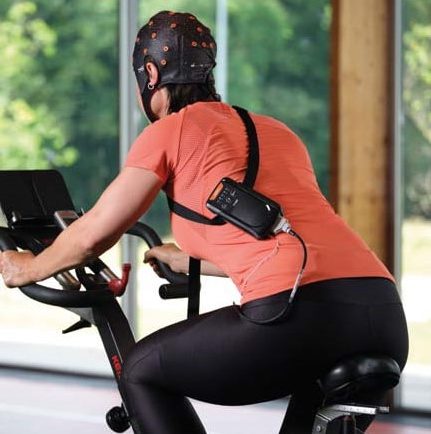
The evolution of wearable technology for recording physiological signals represents a transformative leap for research, particularly when it comes to electroencephalography (EEG). These advancements allow researchers to capture brain activity data in real-world settings, moving beyond the confines of laboratory-based experiments. Mobile and wearable EEG devices utilize wireless technology to transmit data, offering significant advantages over traditional methods.

Everyone aspires to more freedom—to speak, think, or move about as one pleases. Should researchers be any different? Why be shackled to the static wires and cables of the lab, when one can release study participants with the help of mobile and wearable technology?

The evolution of wearable technology for recording physiological signals represents a transformative leap for research, particularly when it comes to electroencephalography (EEG). These advancements allow researchers to capture brain activity data in real-world settings, moving beyond the confines of laboratory-based experiments. Mobile and wearable EEG devices utilize wireless technology to transmit data, offering significant advantages over traditional methods.

EEG is a cornerstone in the study of brain activity, providing insights into the electrical patterns generated by neuronal firing. EEG has traditionally been used in physiology and psychophysiology research to understand brain function, monitor cognitive states, and investigate neural responses to various stimuli. The conventional EEG setup typically involves a stationary system with numerous electrodes affixed to the scalp using a conductive gel, which can limit the subject’s movement and impact the naturalistic settings of studies.

One of the primary benefits of mobile and wearable EEG systems is their ability to record brain activity during dynamic, everyday activities. This capability provides a more comprehensive understanding of how the brain responds to real-world stimuli and stressors, as opposed to controlled, static environments. For instance, researchers can now study cognitive processes in natural settings like workplaces or homes, enhancing the ecological validity of their findings.

A study by the School of Architecture at the University of Liverpool provides an example in which researchers leveraged wearable EEG technology when comparing subjective and physiological responses to noise within wooden buildings. The research team conducted listening tests using EEG data recorded via the B-Alert X-24 wireless headset system, which allowed participants to “sit comfortably in a simulated living room” while listening to a variety of sounds that were both airborne and resonating through the floors. Participants rated their level of noise annoyance on an 11-point scale and results were compared to EEG data. In discussing the design of their study, the authors highlighted the importance of incorporating noninvasive, wearable technology, stating, “Among the several options available for measuring physiological reactions to auditory stimuli, contemporary technologies made possible the recording of EEG in a relatively easy way by means of portable devices. These offer the precious opportunity of acquiring data directly from the scalp, where brain activity is detectable almost instantaneously in synchrony with the stimulus presentation.”

Similarly, when studying occurrences of hyperventilation among a participant group with a range of anxiety-related disorders, researchers from Yale University turned to a BIOPAC BioNomadix wireless receiver to gather EEG signal data. By attaching individual electrodes to a third-party cap that connected wirelessly to a BIOPAC data acquisition and analysis system, they minimized the discomfort and restriction of movement that may have resulted from a wired solution, thereby influencing participants’ response to stimuli.

Researchers at the Transylvania University of Brașov in Romania faced similar demands that required a flexible noninvasive means to record surface EEG signals from participants as they responded to a variety of colors and patterns with the goal of better understanding the complexity of human color and texture perception. The research team compared participants’ subjective responses to EEG responses via Event-Related Potentials and computational measurements of color and texture.  EEG data was gathered with a cap-based BioNomadix wireless system and analyzed using AcqKnowledge software. The study’s authors explained their choice of wireless EEG recording devices as follows: “Since human users are the target, it is important to focus the technology development towards small-scale, wearable, wireless systems that provide flexibility, easy use and comfort to the user side, while at the same time maintaining high signal quality.”

APEX cycleAdditional wearable EEG options available through BIOPAC include the MedelOpt Mobility EEG system, combining wearable EEG and functional near-infrared spectroscopy (fNIRS) technology with advanced signal processing and robust data transmission capabilities. APEX wireless EEG systems further enhance the landscape with their ability to record high-quality EEG data with flexibility for a range of applications from cognitive neuroscience to mental workload studies. Learn more about recording EEG data by watching our webinar: A Beginner’s Guide to EEG.


Are you interested in unlocking the benefits of mobile and wireless EEG for your next research project? Let our staff of experts find the right tools for you.

Back to School: Studying the New Frontiers in Digital Learning

As students return to the classroom and the academic year kicks off, it’s worth acknowledging that the campus is not just a setting for learning. The classroom and the academic processes within it are ripe for study. The application of physiological and psychological signals in education research has become increasingly vital to understanding academic performance and optimizing teaching methods.

With the proliferation of online teaching, particularly during the COVID-19 pandemic, researchers have gained unprecedented access to diverse digital learning environments. By analyzing data like eye-tracking, heart rate, and brain activity, alongside cognitive and emotional responses, educators and scientists can better assess the effectiveness of these tools, offering insights that could revolutionize how we approach learning in the digital age.

A study by researchers in Montreal, Canada examined the impact various video formats had on student engagement and performance during online learning sessions. The research team employed a combination of electrodermal activity (EDA) and facial movement to measure cognitive response to video stimuli. Two groups of study participants were each shown different formats of online learning courses. The first group watched an infographic-based video comprising animated graphics, images, and text. The second viewed a video capture of a professor lecturing in a classroom setting. Cognitive and emotional engagement data were gathered from both groups via BIOPAC wireless EDA amplifiers connected to a BIOPAC data acquisition and analysis system. Further measurement of emotional engagement was conducted using a facial recognition system with facial emotion analysis software. Results of the study showed that while the recorded lecture provided greater emotional engagement over a shorter period, the infographic video results showed a higher level of emotional and cognitive engagement over longer periods resulting in heightened levels of student performance overall.

Increased reliance on computer-focused teaching methods has sparked interest in the psychological and physiological impacts of this approach. A study by a pair of researchers at the Technical University of Munich looked at the physical and emotional responses students experienced in computer-based learning environments (CBLE) to determine if these metrics provided insight into academic performance. The research team gathered a combination of EDA, heart rate (HR), and self-reported data from 32 participants in a CBLE lab. EDA was gathered using a BIOPAC lead set connected to an MP36 data acquisition system running Biopac Student Lab software. Raw electrocardiogram (ECG) data was also collected via the MP36, while heart rate variability (HRV) was calculated using third-party analysis software. Researchers compared physiological data to participant responses. Negative academic affective responses to CBLEs were reflected in increased EDA and HR levels. EDA also showed a positive correlation with learning performance, while increased student boredom was reflected in decreased heart rate. Researchers concluded that EDA could be used as an accurate predictor of academic success in CBLEs.

virtual classroomWhile the addition of virtual learning environments has created new opportunities in digital education, it has also drawn considerable interest as well as sparked some debate among educators regarding their effectiveness and impact on students. Researchers from the University of California, Santa Barbara and the University of Wisconsin published the results of a collaborative study into how immersive virtual reality (IVR) systems are being used in education and their effect on both cognitive and affective processing. Study participants were divided into two student groups. One viewed a biology lesson on the human bloodstream as an interactive animated journey in IVR while the other viewed a slideshow on a desktop monitor. EEG and ECG data were gathered using a B-Alert wireless EEG system while PPG and EDA signals were collected via a BioNomadix Wireless Amplifier. All data was fed into an MP160 data acquisition system running AcqKnowledge. The study concluded that students using the IVR environments not only performed at lower levels than their counterparts using non-IVR methods, but data also suggested higher levels of distraction and reduced engagement in the IVR group based on EEG measures than those who viewed the slideshow. According to the published study, “results support the notion that immersive environments create high affective and cognitive distraction, which leads to poorer learning outcomes than desktop environments.”

The frontier of digital learning is just beginning to be explored. BIOPAC has the tools for gathering a wide range of physiological and psychological data on digital and virtual learning environments. For additional information on integrating digital solutions into your study, see our Webinars page.


Are you planning an education study using physiological signals and data, VR, facial recognition, or eye tracking? Our regional sales staff is ready to help you find the right tools for the job.

Going for Gold: Physiology Research Powers Olympic Athletes

As the world’s top athletes gather for the 2024 Olympic Games in Paris, they hope that years of rigorous preparation and training to ensure peak performance will pay off with a trip to the winner’s podium. Physiology research plays a critical role in these preparations, providing athletes and their coaches with valuable insights into how to best optimize training regimens and enhance athletic performance. With the introduction of new sports in the competition, understanding the specific physiological demands of each sport is critical. Advanced tools and techniques, like those developed by BIOPAC, allow researchers to study the body’s responses to different types of movement, providing tailored training programs that cater to the unique needs of each athlete.

A range of physiological signals is pivotal in sports and exercise research. Electromyography (EMG) is used to analyze muscle activation patterns, helping athletes refine their movements for efficiency and power. Electrodermal activity (EDA) provides insights into stress and arousal levels, which are essential for mental preparation and focus. Monitoring respiration rates and patterns can optimize breathing techniques, while electrocardiography (ECG) and heart rate variability (HRV) assess heart health and endurance capacity. By integrating these physiological signals, researchers and coaches can develop comprehensive training strategies that improve performance and minimize injury risk, giving athletes the best chance at Olympic gold.

One of the newest sports introduced at the Paris Olympics is breaking or competitive breakdancing. Olympic breaking competitions will feature teams of male and female competitors facing off with opposing teams in one-on-one dance battles. Dance, whether competitive or recreational, has been the subject of extensive study as researchers have examined this intersection of music and rhythmic bodily movement. A study published in 2021 in the journal Nature examined how younger and older adults timed bodily movement to both metronomic rhythms and music. The study compared participants’ responses to auditory cues from a metronome and music with finger tapping, toe tapping, and dance steps. The pace of whole-body stepping movements was recorded using BIOPAC heal-toe strike sensors attached to participants’ shoes with data fed to a data acquisition and analysis system running AcqKnowledge software. The study found that whole-body movement with musical accompaniment positively influenced participants’ ability to time movements accurately with encouraging implications for the treatment of rhythmically impaired individuals, such as those with developmental disorders.

Paris 2024Surfing debuted at the 2020 Olympics in Tokyo and is returning for the Paris games where it will be joined by two new aquatic additions, kiteboarding and kayak cross. The surfing competition for 2024 will be held in the French territory of Tahiti. Physiology studies have played a key role in preparing competitive surfers for the ultimate test of their skills. A study published in a 2021 issue of Nature investigated how surfers’ paddling cycles affect fatigue. Paddling is a primary component of a surfer’s ability to catch the best waves during competition. Researchers measured participant velocity as they paddled in a pool while tethered to a cable that measured propulsive force. Velocity data was recorded using a BIOPAC data acquisition and analysis system running AcqKnowledge. Untethered velocity was also measured using a cable-based speedometer device with data also transferred to the data acquisition system. According to the researchers, the data gathered should help in the development of “a powerful and endurable metabolic base while reducing energy cost during surfing paddling,” which could play a key role in future training programs.

Boxing’s inclusion in the Olympics dates back to the original games in Ancient Greece. Modern trainers look to research conducted in the physiology lab to enhance their fighters’ competitive edge. A 2023 study by a group of researchers in Pakistan used EMG to measure muscle activity when comparing the effectiveness of two types of punches: the jab and the cross. Researchers used a force plate to measure the impact force of each type of punch, while electrodes attached to the participants’ biceps and triceps recorded EMG data via a BIOPAC data acquisition system.  While both punches delivered similar force, the triceps carried most of the workload during the jab. The research may provide insight into how to best manage fatigue during competitive bouts.

These are just a few examples of how sports physiology research powered by BIOPAC tools and techniques is preparing today’s athletes to compete at the highest levels. For additional information on how BIOPAC can help your sports-related study, see our webinars on exercise physiology using our BioNomadix and Research Ring wireless recording tools and product lines.


Are you planning sports or exercise study? BIOPAC’s regional sales reps are standing by to assist you in finding the right tools for the best results possible.

Speak Up: Physiological Signals for Speech Research

In the symphony of human communication, speech is the principal instrument. Behind every uttered word lies a complex interplay of physiological and psychological signals, each telling a unique story about the speaker’s state of mind and physical well-being. The critical data provided by these signals has become a pivotal focus in both speech research and therapy, offering useful insights into the mechanisms of verbal communication and its disorders while enhancing speech ability and overall health.

Electromyography (EMG), a technique used to measure muscle activity, plays an invaluable role in speech research by revealing the interaction of facial muscles involved in articulation. By monitoring EMG signals from muscles such as the lips, tongue, and jaw, researchers can elucidate the precise movements and coordination required for speech production, shedding light on the underlying mechanisms of speech disorders like dysarthria or apraxia.

A French study published in the 2024 edition of Science Reports used EMG to establish the role tongue reflex plays in speech posture control. The presence of a tongue reflex in maintaining tongue posture, the proper positioning of the tongue in the mouth, has been a matter of debate among speech researchers. The study team employed an unorthodox recording technique that involved attaching EMG electrodes to the base of the tongue “to record activation of the anterior genioglossus, which is responsible for the control of the anterior part of the tongue.” A robotic arm was used to rapidly stretch the tongue while researchers measured muscular reflex EMG data during the formation of various vowel sounds, which were fed to a BIOPAC EMG amplifier for signal amplification and filtering. According to the research team, the study results “represent the first physiological demonstration in humans that the tongue is driven by reflex in response to a sudden stretch.”

Electrocardiography (ECG), which measures the electrical activity of the heart, offers insights into the intricate relationship between emotion and speech. Research has shown that changes in heart rate variability (HRV) correlate with emotional arousal and cognitive load during speech tasks. By integrating ECG data with speech analysis, researchers can explore the complex connection between emotional states and linguistic expression, paving the way for emotion-aware speech synthesis systems or interventions for social communication disorders.microphone

A 2023 study by researchers at Vanderbilt University used ECG to examine the relationship between respiratory sinus arrhythmia (RSA) on the persistence of stuttering and, specifically, the role emotional regulation plays in stuttering. Researchers measured potential differences in RSA in preschool-age children with persistent stuttering, children who recovered from stuttering, and children who do not stutter. RSA, an index of parasympathetic nervous system activity, was measured during the viewing of both neutral (baseline) and emotionally stimulating video clips and during subsequent speaking tasks. To obtain RSA for each study participant, ECG data was gathered via a BIOPAC data collection and analysis system running AcqKnowledge. A low RSA baseline is often associated with difficulty regulating emotion and, according to the study’s main hypothesis, plays a role in speech disorders like stuttering. The study’s findings supported this hypothesis, with some caveats, but the overall result demonstrated that emotional regulation could provide a promising avenue for speech therapy.

Electroencephalography (EEG), a noninvasive method for recording brain activity, offers insight into neural underpinnings of speech processing and comprehension. By analyzing EEG signals, researchers can map the spatiotemporal dynamics of neural networks involved in language processing, from phonological encoding to semantic integration. EEG-based studies offer insights into the neural signatures of speech disorders like aphasia or developmental language disorders, informing targeted therapeutic interventions and neurorehabilitation strategies. EEG has presented challenges with regard to artifacts created by participant movement during speech, but recent studies have shown promise in EEG as a speech research tool.

This is just an introduction to the signals that are being used to provide researchers with a better understanding of speech and speech pathology. For additional information on how BIOPAC products are being integrated into the study of speech, see our application note on Speech Motor Control.


Are you planning a research project focusing on speech? Our regional sales representatives are ready to help you find the right tools for your study.

Keep Your Eye on the Ball: Eye Tracking in Exercise Research

When a coach tells a player to keep their eye on the ball, they are addressing the importance of attention and focus to success, both figuratively and literally. Whether hitting a baseball, shooting a basket, or maintaining focus in an exercise routine, how we process visual information is linked to physical and mental performance, and eye tracking is the key to unlocking this relationship.

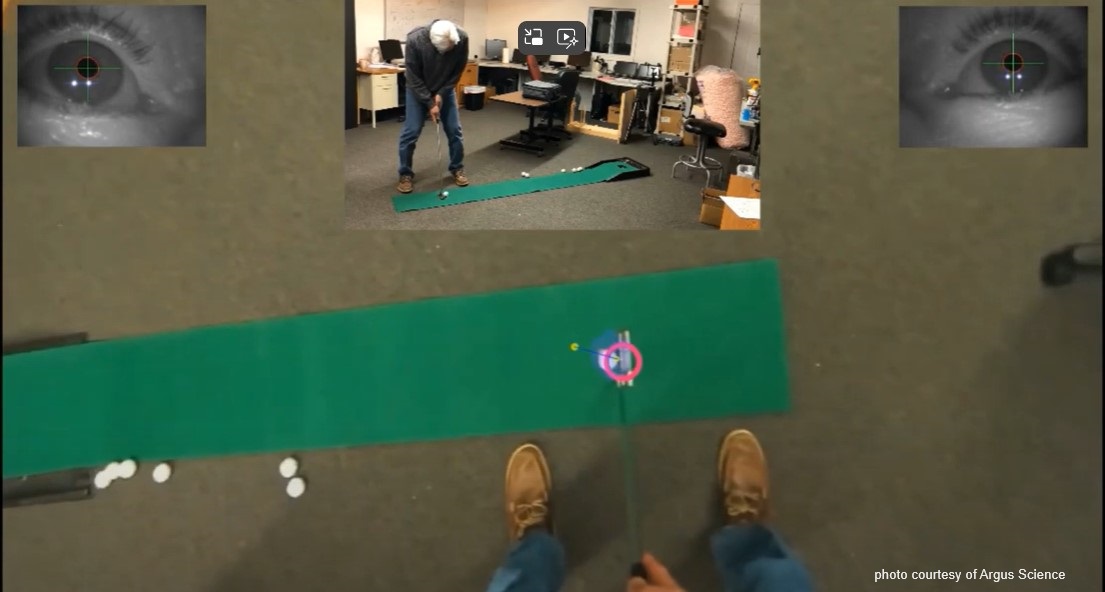
Modern eye tracking technology is revolutionizing how researchers understand human behavior, perception, and performance during physical activity. With the rise of wearable and mobile technology, eye tracking has been freed from the confines of the lab, offering real-world insights into our exercise habits and mindset. Thanks to innovators like BIOPAC partner Argus, researchers can now access eye tracking information recorded directly from the putting green, ski slope, and even the mountain biking trail.

One of the primary applications of eye tracking in exercise research lies in understanding visual attention and gaze behavior. By tracking where individuals look while engaging in physical activity, researchers can better understand how attentional focus influences performance. For instance, studies have revealed that elite athletes exhibit more focused and efficient gaze patterns, directing their attention to critical cues that enhance their performance. A 2023 study by researchers at North Carolina State University assessed the viability of using an array of mobile physiological measurement tools, including eye tracking, to measure performance optimization techniques for rock climbers. Tools included BIOPAC monitors and transmitters for wireless tracking of skeletal muscle electromyography (EMG) and eye tracking glasses to record gaze. The study affirmed that such technologies could accurately monitor multiple athletic performance metrics in even the most challenging environments. basketball

Beyond performance enhancement, eye tracking technology holds promise in understanding the psychological aspects of exercise behavior. By examining visual attention during exercise-related stimuli such as advertisements or motivational cues, researchers can unravel the underlying mechanisms driving exercise motivation and adherence.

The same principles of eye tracking research used in fitness and physical performance-related exercise studies can be applied in other fields, such as those that examine job performance in highly stressful and physically demanding occupations, like law enforcement. A study published in the 2023 edition of the Journal of Motor Behavior explored the relationship between gaze control and decision-making by police officers in highly stressful situations. The goal was to assess how a participant’s levels of experience and training affected tactical decisions. Participants wore eye tracking glasses during a simulated traffic incident. The participants’ respiration and electrocardiogram (ECG) signals were monitored via a BIOPAC BioNomadix dual-signal wireless transmitter.  Gaze-tracking data, ECG, and respiration data were fed into a BIOPAC data acquisition system for analysis. The study found that higher levels of training “led to increased processing efficiency and effective attentional control.”

The integration of eye tracking technology into exercise physiology and psychology research offers a nuanced understanding of human behavior and performance during physical activity. With wearable and mobile solutions, this technology not only expands the possibilities of research but also holds the potential for personalized programs and the enhancement of exercise experiences for individuals across a wide range of circumstances. For more information on integrating mobile eye tracking into your exercise study, see our webinars on Recording Great Data from Exercising Subjects and Eye Tracking Glasses and AcqKnowledge Integration.


Are you planning to employ eye tracking in your next exercise study? Contact our experts for assistance in selecting the best tools for gathering and analyzing exercise data with eye tracking.

error: Content is protected !!