Best Practices for Recording & Analyzing Data

Over the past several years, tools and techniques for recording and analyzing physiological data recording have seen steady and marked improvement. Modern life science data acquisition systems such as the MP160 System and powerful research-grade software suites such as AcqKnowledge bring high-end physiology tools within reach of the smallest lab. Even with continuing advances and reduced margin for error, it remains prudent to follow some fundamental guidelines for maximizing data quality and clarity.

Preparation is important. First, invest time exploring the system if it’s new or unfamiliar. An overview of the documentation, training videos, and available webinars, as well as some practice runs with the hardware and software will save time and effort when the time comes to conduct a study. This will also build proficiency at identifying the differences between good and poor data.

Next, familiarize yourself with the type of electrodes and/or transducers necessary for the physiological signals you will be acquiring, which includes proper electrode and skin site preparation. For example, gently abrading the skin prior to applying electrodes is normally recommended for most signal types, except for electrodermal activity (EDA), in which case it’s vital to NOT abrade the skin beforehand. It is also helpful to wait at least 5 minutes before starting a recording, which enables the electrode gel to be absorbed into the skin, helping reduce the impedance.

Performing an impedance check to ensure that the electrodes are making good contact with the skin is also highly recommended. This task is made easier by using an Electrode Impedance Checker (such as EL-CHECK), a simple device for quickly measuring the resistance between the skin and the electrode that provides an LED readout of the skin/electrode contact quality. If the resistance is too high (indicating poor contact) proper adjustments can be made before starting an experiment.

For certain signal types, excessive participant movement can introduce unwanted artifact into the signal, resulting in poor or skewed data. Make sure the participant remains as still as possible during studies involving these signals. Using tape to attach the electrode leads to the skin and keep them from moving excessively can also be helpful.

A thorough check of the system and all connections, cameras, and other hardware is important, so that any problems with equipment or setup can be addressed in advance, thus avoiding a show-stopping issue in the midst of an experiment. This would include performing a pilot study with trained personnel in order to head off any unforeseen issues with the data collection.

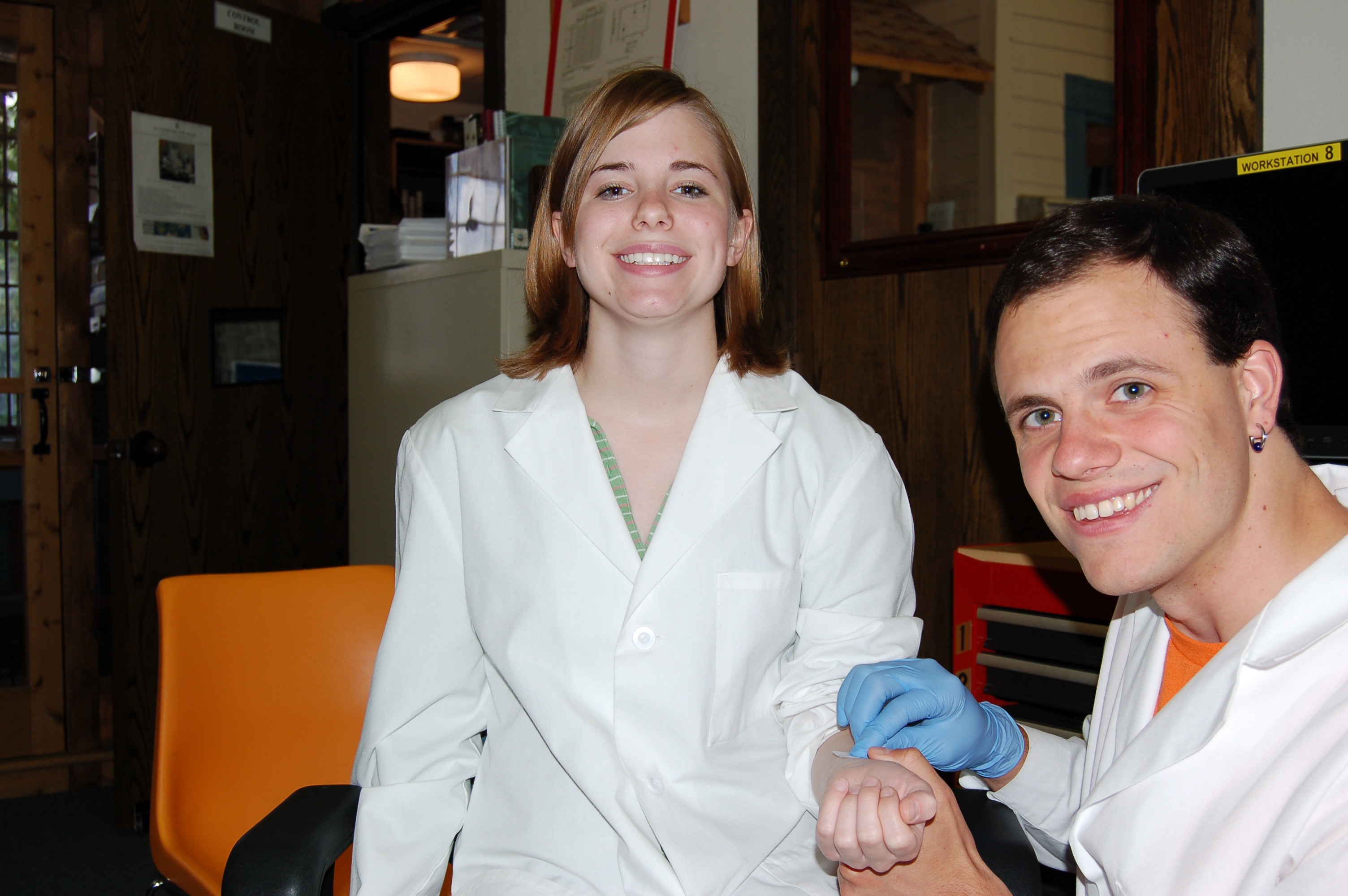
Creating a lab setup conducive to a relaxed environment for the participant and technician alike will yield better results. This means eliminating clutter, noise, and other distractions that can affect comfort and attention span. Some labs even avoid having their staff wear lab coats because this can heighten participant nervousness.

Keeping detailed notes on successful lab setups is also helpful and will streamline the preparation process for future experiments. Additionally, creating and saving graph templates for regularly-repeated experiments will save further time and effort.

For more about the fundamentals of recording great data, we invite you to view this free on-demand webinar Fundamentals of Physiology Recording.


BIOPAC offers a wide array of wired and wireless equipment that can be used in your research. To find more information on solutions for recording and analyzing signals such as ECG, heart rate, respiration and more using any platforms mentioned in this blog post, you can visit the individual application pages on the BIOPAC website.

Photo by John Schnobrich on Unsplash

Getting the Bands Back Together – Components of the EEG Signal

Many notable events occurred in 1929, not all of them good. The St. Valentine’s Day massacre. The stock market crash that triggered a worldwide economic crisis. The chain saw was invented. Not much good was happening in Germany either. Rampant inflation, the decline of the Weimar Republic, and the implacable rise of Nazism. But 1929 was also the year that German physician Hans Berger made an important scientific discovery that continues to influence how we study the human brain today. Dr. Berger discovered that electrodes placed on the human scalp could detect various patterns of electrical activity. After further study confirmed that these patterns were indeed related to brain activity and not mere scalp muscle artifact, scientists began to delve into the constructs of these “brain waves.” Today, electroencephalography (EEG) is still the primary method employed for recording brain function. In medical and basic research, correlation of particular brain waves reveals valuable information about sleep phases, emotional states, psychological profiles, and other mental activities. Much of this information is derived from five simple periodic rhythms, or frequencies, recorded in the EEG signal—alpha, beta, delta, theta, and gamma waves. These frequencies are known to be associated with specific degrees of alertness, affect, emotional states, and sleep. What do these frequency bands tell us about what is going on behind the gray matter? Allow us to introduce the band members.

Alpha (8-13 Hz) – Mellow Band Member

Alpha waves are associated with relaxation and calm. In general, the alpha rhythm is the prominent EEG wave pattern of adult subjects who are awake, but relaxed with eyes closed. Each region of the brain has a characteristic alpha rhythm but alpha waves of the greatest amplitude are recorded from the occipital and parietal regions of the cerebral cortex. In general, alpha wave amplitudes diminish when subjects open their eyes and are attentive to external stimuli, although some subjects trained in relaxation techniques can maintain high alpha amplitudes even with eyes open.

Beta (13-30 Hz) – Band Manager

Beta waves are related to memory, focus, and problem-solving. beta rhythms occur in alert individuals who are attentive to external stimuli, or exerting specific mental effort. Paradoxically, beta rhythms also occur during deep REM sleep. Beta waves may also be associated with “remembering” or retrieving memories.

Delta (1-5 Hz) – Supportive Band Member and Theta Rhythm (4-8 Hz) – Creative Band Member

Delta and theta rhythms are low-frequency EEG patterns that increase during sleep in the normal adult. Delta waves are associated with rejuvenation of the body through restorative deep sleep. Theta waves are more aligned with creativity and emotional connection. As people move from lighter to deeper stages of sleep (prior to REM sleep,) the occurrence of alpha waves diminishes and is gradually replaced by the lower frequency theta and then delta rhythms.

Although theta and delta rhythms are generally most prominent during sleep, there are cases when delta and theta rhythms are recorded from individuals who are awake. For example, theta waves will occur for brief intervals during emotional responses to frustrating events or situations. Delta waves may increase during difficult mental activities requiring concentration. In general, the occurrence and amplitudes of delta and theta rhythms are highly variable within and between individuals.

Gamma (> 32 Hz) – Perceptive Band Member

Gamma waves bring to the party cognition, information processing, learning, memory, and perception. Gamma waves were largely overlooked before the development of digital electroencephalography, as analog electroencephalography is restricted to recording and measuring rhythms that are usually less than 25 Hz.

A gamma wave is considered to be the “fastest” brain activity. The prominence of this wave leads to anxiety, high arousal, and stress. In optimal conditions gamma waves help with attention, focus, binding of senses (smell, sight, and hearing), consciousness, mental processing, and perception.

Research studies reported that gamma activity is involved in attention, working memory, and long-term memory processes, although excessive Gamma activity is also involved in psychiatric disorders such as schizophrenia, hallucination, Alzheimer’s disease, and epilepsy.

So in a sense, the periodic rhythms alpha, beta, delta, theta, and gamma, like the members of a tight musical ensemble, have distinct but overlapping roles for enabling the human brain to achieve wondrous things great and small that are often taken for granted.

BIOPAC Systems, Inc offers the following solutions for recording and analyzing EEG signals for research and education applications.

MP160 System with AcqKnowledge Software
EEG100D Smart Amplifier
EEG100C Amplifier Module
EEG100C-MRI Amplifier Module
BioNomadix Wireless EEG
BioNomadix Smart Center
Mobita 32-Channel Wireless EEG System
B-Alert Wireless EEG with Cognitive States Software
EPOCH Wireless In Vivo Neural Recording Systems—longterm EEG for rats, mice, or pups
Biopac Student Lab Systems—with EEG I, EEG II, and Hemispheric EEG lessons

We also invite you to enjoy our library of free EEG webinars on our Webinars page.

Small and Smaller – Untethered and Unfettered

Advancements in the engineering of data acquisition components have closely paralleled the microchip revolution. Ever-smaller form factors available in wireless transmission formats have resulted in a boon for researchers wishing to collect high-quality physiological data from participants in unfettered environments undreamed of a few years ago.

One of the linchpins of these cutting-edge systems is BIOPAC’s BioNomadix Series of wireless life science transmitters and receivers. BioNomadix modular receiver/amplifiers connect to the mother ship of the acclaimed MP160 System while the bite-sized matched transmitters attach to the participant, or comfortably nestle in a garment such as the BioNomadix BIOSHIRT. Unobtrusive specially designed leads connect to skin electrodes affixed to the participant, and BioNomadix units relying on transducers (such as respiration and skin temperature) offer equal convenience.

An even more streamlined system, the BioNomadix Smart Center, is also available. This system combines BioNomadix transmitters with the Smart Center all-in-one receiver and data acquisition unit. The soap bar-sized Smart Center connects to a computer USB port and supports up to 9 channels of physiological data from up to three wireless BioNomadix transmitters. (All BioNomadix transmitters are supported but connection is limited to three at a time.)

BioNomadix transmitters are dual-channel or dual-signal, with the exception of the Accelerometer, which supports three channels (X, Y, and Z axes).

Acquired signals are of extremely high quality and clarity and are rendered in AcqKnowledge Research Software. BioNomadix systems are available for fourteen body signal types, including ECG, RSP, PPG, EDA, EOG, EEG, EMG, EGG, ACCL, SKT, Goniometer, Dynamometer with EMG, Cardiac Output, and Heel-Toe Strike.

What does all of this mean to the researcher? Nearly unlimited freedom of movement at distances up to 10 meters from the receiver units—opening up new avenues of research and even new vistas in artistic expression.

A stunning and eclectic example of the latter can be taken from this brief performance by Compagnie Linga, a contemporary dance company based in Lausanne, Switzerland. Dancers wore BioNomadix accelerometers to record transmit their movements in real time, which were then digitally rendered in sound. The result is a tableau of dance and self-generated musical accompaniment, an artscape created from the firings of human physiology.

For more information about BioNomadix, please see:

BioNomadix Wireless Amplifiers

BioNomadix Wireless EMG for Neuro-Controlled Prosthetic

Free On-Demand Webinar – Recording Great Data from Exercising and Mobile Subjects

BIOPAC offers a wide array of wired and wireless equipment that can be used in your research. To find more information on solutions for recording and analyzing signals such as ECG, heart rate, respiration and more using any platforms mentioned in this blog post, you can visit the individual application pages on the BIOPAC website.

Think As Scientists Think—Empirical Research Skills

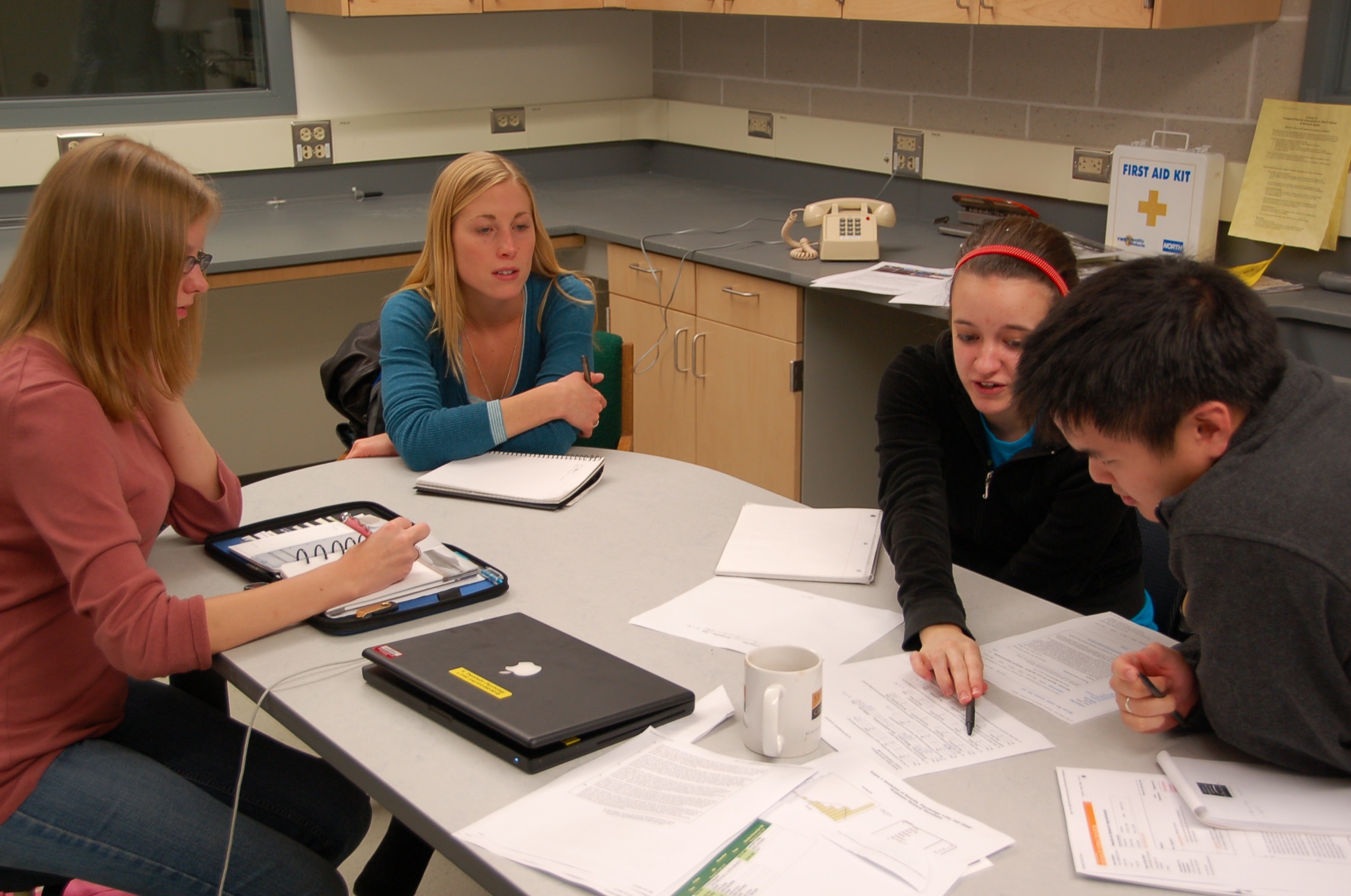
Learning to think as scientists think is empowering and drives this process and “Hard” and “soft” research skills combine well with Biopac Student Lab Lessons.

(Photo © 2016 Knowledge Growers, Inc.)

By Howard Iver Thorsheim, Ph.D., St. Olaf College

“Hard” and “soft” research skills combine well with Biopac Student Lab Lessons; for example:

  • Working as members of cooperative-learning teams;
  • Learning about basic psychophysiological measures;
  • Organizing supplies;
  • Following a protocol to greet a participant;
  • Explaining proposed procedure, and obtaining written informed consent using a form they draft;
  • Preparing participant, placing electrodes, and manipulating independent variables;
  • Debriefing participant;
  • Analyzing and graphing results;
  • Writing up research results in APA format.

Since the goal is learning skills for thinking, many of the usual requirements for rigorous research headed for publication can be relaxed for beginning students. This can motivate students for advanced student research honors projects or faculty/student research. Some examples of requirements that can be relaxed include naive participants (team members can serve as experimental participants in each other’s explorations—availability samples), sample sizes large enough to attain statistical power (instead two or three can be sufficient), and random assignment to conditions.

Learning to think as scientists think is empowering and drives this process, and some examples include students thinking about:

  • Articles of interest students find in data base searches that lead to their own research questions to explore;
  • Which psychophysiological measures they have practiced would provide information to help them learn more about their research question;
  • What they want their participants to do;
  • Key issues of experimental and statistical control, and
  • Any other equipment or supplies they might need to arrange for in addition to what is available within the limitations of available apparatus and facilities.

Before they may proceed, beginning students present their thinking on such issues to me as their consultant.

I provide a rubric with many tips, such as noting what they observed during the experiment that could have unintentionally influenced the results, describing strengths and limitations of their conclusions based on their findings, and answering the “So what?” question to extend their findings into their own life and think about the implications such findings might have for them.

See following for more ideas for teaching empirical research skills to help students think as scientists think, with research support:

Thorsheim, H. I. (2015). Experimental psychology. In D. S. Dunn (Ed.), The Oxford Handbook of Undergraduate Psychology Education. New York: Oxford University Press, 387-401. (Focus is.)


Learn more about BIOPAC’s education solutions, including complete teaching systems for psychophysiology and the life sciences. BIOPAC also provides a wide range of research systems for recording, displaying, classifying, and analyzing psychophysiological measurements.

BIOPAC Systems, Inc. provides life science researchers and educators with data acquisition and analysis systems that inspire people and enable greater discovery about life. Visit us at www.biopac.com.

Professor Thorsheim is a licensed Psychologist, educator, and author. He has published or presented over 125 papers, journal articles, books, book chapters or monographs, and received a patent in 1985 as a co-inventor for an educational book design with interactive elements. His work has been funded by marquee foundations across the globe. His most recent work is Doing Psychophysiology: Getting Started, available from Knowledge Growers, Inc., available as an iBook download in 51 countries.

Thinking As Scientists Think

By Howard Iver Thorsheim, Ph.D., St. Olaf College. Information literacy skills projects help students discover that they know that they know how to find information, which increases their sense of competency, and is self-reinforcing.

(Photo © 2016 Knowledge Growers, Inc.)

By Howard Iver Thorsheim, Ph.D., St. Olaf College

I have titled this blog “Thinking As Scientists Think.” A more accurate—but longer—description might be “Helping Students Learn Skills to Think As Scientists Think—Information Literacy Skills.” I have found it effective to help students learn two levels of skill development that will help them think as scientists think: (a) information literacy skills to learn about the skills, which is the focus of this blog, and (b) empirical research skills to do the skills they have learned about (discussed in this post, building on Biopac Student Lab lessons).

I partner with a librarian colleague to develop and provide an initial 45-minute information literacy skills session on how to use available databases to locate information. I provide a selected list of research skills to guide their search. Teams decide exactly what they read online about each listed skill, so information each team locates may be unique, though the skills searched are the same. They discover that they know that they know how to find information, which increases their sense of competency, and is self-reinforcing.

You can select your own list of research skills you wish students to learn about, to fit your own teaching/learning goals and schedule. The following are some examples from my skills list for introducing psychophysiology in courses:

  1. strategy for using information literacy skills;
  2. using a consultant (in this case it is me, their teacher);
  3. forming research questions;
  4. psychophysiology methods;
  5. operationalization of variables;
  6. psychophysiological measurement;
  7. adhering to research ethics;
  8. statistical analysis in psychophysiology (selecting methods appropriate from their course background ranging from descriptive to more sophisticated statistics);
  9. writing following the format of the Publication Manual of the American Psychological Association, and
  10. oral presentation skills (e.g., tips for presenting their summaries that will help them be excellent peer-mentors).

The genuine research skills students learn support your course goals and engage students in science, contribute to national STEM goals, and add to a student’s thinking toolkit. Students can annotate their team-based information-literacy searches and can include that in a cumulative personal skill inventory, useful for skill-based résumés for assistantships, jobs, and graduate applications.

Here are two helpful resources on the usefulness of helping students develop genuine research-oriented skills and begin using them:

Jenkins, A. & Healey, M. (2010). Undergraduate research and international initiatives to link teaching and research. Council on Undergraduate Research Quarterly, 30(3), 36-42.

Mervis, J. (2016). Genuine research keeps students in science. Science, 352(6291), 1266.
DOI: 10.1126/science.352.6291.1266


Learn more about BIOPAC’s education solutions, including complete teaching systems for psychophysiology and the life sciences. BIOPAC also provides a wide range of research systems for recording, displaying, classifying, and analyzing psychophysiological measurements.

BIOPAC Systems, Inc. provides life science researchers and educators with data acquisition and analysis systems that inspire people and enable greater discovery about life. Visit us at www.biopac.com.

Professor Thorsheim is a licensed Psychologist, educator, and author. He has published or presented over 125 papers, journal articles, books, book chapters or monographs, and received a patent in 1985 as a co-inventor for an educational book design with interactive elements. His work has been funded by marquee foundations across the globe. His most recent work is Doing Psychophysiology: Getting Started, available from Knowledge Growers, Inc., available as an iBook download in 51 countries.

How to Promote Cooperative Thinking

By Howard Iver Thorsheim, Ph.D., St. Olaf College. How to promote cooperative thinking of team members doing psychophysiology, draw from their richly diverse interests and ideas, and in the process teach a “soft” skill that could transfer to later life.

(Photo © 2016 Knowledge Growers, Inc.)

By Howard Iver Thorsheim, Ph.D., St. Olaf College

Howard Iver Thorsheim is Professor of Psychology and Neuroscience at St. Olaf College, Northfield, Minnesota, USA. In these blogs he offers his first-person insights into effective teaching techniques gleaned from a combination of scholarly research and over 40 years in the classroom.

The Challenge:

The challenge was how to promote cooperative thinking of team members doing psychophysiology, drawing from their richly diverse interests and ideas, and in the process to learn a “soft” skill that could transfer to later life.

The Solution:

I adapted a tried-and-true group process to help team members doing psychophysiology research identify diverse ideas and think about their group project in a cooperative way. (The technique can be scaled up to engage many teams simultaneously). The technique is called the Nominal Group Technique, first developed by DelBecq and Van de Ven (1975).* The reason for the word nominal is evident in Step 1.

Step 1. Each student in a team was given a stack of 25 or so Post-it® notes. Because each student is working alone at this point, they are a group in name only (i.e., nominally a group). Their homework assignment was to think independently about ideas and interests that came to mind for them, and jot down a few words identifying their idea or interest on each of the Post-it notes. Interaction comes in step 2.

Step 2. The next class, the team members gathered together near a whiteboard. In a round-robin interactive fashion, one at a time, the students placed their Post-it notes on the board: One person started by placing the top Post-it from their stack on the board; the second person placing their first Post-it note close or further away from the first person’s Post-it note, depending upon their sense of closeness of the ideas. So it goes with the other students, with the round robin continuing until all Post-it notes are placed on the wall. Step 3 is the convergence!

Step 3. Again in a round-robin fashion, students take turns with a non-permanent marker drawing dashed lines around clusters they observe, and jotting down their idea for a name for each cluster. The result from the large group of individual ideas or interests becomes a smaller cluster of related ideas. The result is more coherence of ideas, engagement, social cohesion, and team focus. It works every time in any team or group!

See how the Center for Disease Control adapts the technique in this Nominal Group Technique (NGT) Evaluation Brief.

*Delbecq, A. L., Van de Ven, A. H., & Gustafson, D. H. (1975). Group techniques for program planners: a guide to nominal group and Delphi processes. Glenville, Illinois: Scott Foresman.


Learn more about BIOPAC’s education solutions, including complete teaching systems for psychophysiology and the life sciences. BIOPAC also provides a wide range of research systems for recording, displaying, classifying, and analyzing psychophysiological measurements.

BIOPAC Systems, Inc. provides life science researchers and educators with data acquisition and analysis systems that inspire people and enable greater discovery about life. Visit us at www.biopac.com.

Professor Thorsheim is a licensed Psychologist, educator, and author. He has published or presented over 125 papers, journal articles, books, book chapters or monographs, and received a patent in 1985 as a co-inventor for an educational book design with interactive elements. His work has been funded by marquee foundations across the globe. His most recent work is Doing Psychophysiology: Getting Started, available from Knowledge Growers, Inc., available as an iBook download in 51 countries.

error: Content is protected !!