
We have all felt that electrical jolt that comes with hearing a sudden, unexpected loud noise—the clang of a dropped cooking pan, the blast of a car horn, or the pop of a balloon. The reaction is instantaneous and nearly uncontrollable as muscles tense, eyes blink, pupils dilate, and one’s heart seems to leap from the chest. The startle response—a rapid, automatic reaction to sudden stimuli like loud noises—has a practical purpose, helping protect us from outside threats. It can also pose a danger if the response occurs while engaging in precision activities, such as driving a vehicle or operating machinery.
Within the psychophysiological field, the startle response can reveal how our brains and bodies process stress, attention, and emotional regulation. In pursuit of ways to mitigate its detrimental effects, researchers often study this reflex alongside prepulse inhibition (PPI). In this latter process, a weaker sound presented just before the startling noise reduces the strength of the response. To capture data when studying these phenomena, scientists use physiological signals such as electromyography (EMG) to measure the tiny muscle contractions around the eye during a blink, electrocardiography (ECG) for heart rate changes, electrodermal activity (EDA) for skin conductance, and respiration to track stress responses. In addition, researchers often pair these physiological measures with brain imaging techniques, like functional magnetic resonance imaging (fMRI) or electroencephalography (EEG), as well as cognitive tasks to build a complete picture of how startle responses connect with brain function and behavior.
Studies of startle response and PPI intersect with a wide range of fields, from neuroscience and psychiatry to aviation, defense, and occupational health. Clinical investigations of altered startle and PPI patterns are helping scientists uncover biomarkers of vulnerability or resilience. These studies are providing new insight into potential treatments for conditions like schizophrenia, PTSD, anxiety, and neurodegenerative disorders.
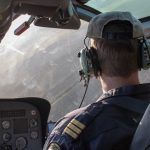 In applied contexts, like pilot training or high-stress professions, startle measures are used to understand how sudden stress impacts performance and decision-making. A study conducted by researchers at the University of Zagreb in Croatia with U.S. partners aimed to determine whether stress resilience markers, including startle response and PPI, could predict pilot performance under sudden startle events. Seventeen military pilot cadets completed baseline testing of physiological and cognitive features—including startle reflex habituation, PPI, heart rate variability (HRV), and multitasking ability—followed by flight simulator sessions with induced startle events. Physiological signals such as ECG, EMG (eye-blink startle reflex), respiration, and EDA were recorded via their respective BIOPAC amplifiers connected to a data acquisition and analysis system. Regression modeling showed that startle habituation, autonomic recovery, and cognitive task performance provided an accurate prediction of flight performance. The findings suggest that psychophysiological measures can help identify pilots who are more resistant to startle-induced performance degradation. Such insights could offer practical applications in pilot screening, training design, and aviation safety.
A team of Spanish researchers wanted to see how short-term (acute) stress affects both PPI and higher-level thinking (working memory) in healthy young adults. They used the Maastricht Acute Stress Test (MAST) to induce stress in one group, while another group did a non-stressful control task. After this, all participants heard loud noises that triggered the eye-blink startle response. In some trials, a prepulse immediately preceded the loud noise, which typically reduces the blink reflex. The startle (eye-blink) was measured from the orbicularis oculi muscle using BIOPAC Ag/AgCl electrodes connected to an Electromyography amplifier that fed data to a data acquisition system running AcqKnowledge software. This allowed the researchers to precisely record the intensity of a blink and the degree to which prepulse inhibited it. The team also tested working memory using tasks like digit span backwards and letter-number sequencing, in addition to other cognitive tests. They found that stress made startle responses stronger and reduced PPI, thereby degrading the participants’ ability to filter out the loud noise when it was preceded by a quieter one. Stress also impaired performance on working memory tasks compared to the non-stressed group. In practical terms, these results suggest that acute stress doesn’t just make one more reactive; it can interfere with basic sensory gating and cognitive control. This has implications for stressful jobs or situations (e.g., emergency responders or pilots) and possibly for understanding disorders where PPI or working memory is impaired.
These are just a few examples of how research into startle response and PPI can improve our understanding of the brain’s basic filtering and stress-response systems. The knowledge these studies provide may eventually translate into practical tools for diagnosis, prevention, and performance optimization. For additional information on research applications, check out our webinar on Startle and PPI.
Are you struggling to find the right tools to plan your startle response and PPI study? Our team of customer service experts will put you on the right path to gathering the best data possible for your research project.

