Mar 24, 2026 | cardiography, Education, Eye tracking, HRV, Life Science Data, noninvasive blood pressure, Teaching physiology, Teaching Psychophysiology
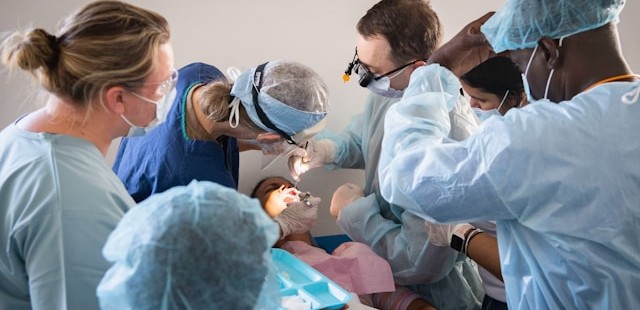
Physicist Albert Einstein noted, “The only source of knowledge is experience.” This principle is particularly relevant in healthcare education, where hands-on learning is vital for cultivating the skills needed to care for patients effectively. The practice of...

Feb 24, 2026 | cardiography, cardiovascular hemodynamics, electrocardiography, Life Science Data, pulse oximetry
A split second can reveal much about the cardiovascular system and the other physiological systems it influences. Pulse Transit Time (PTT) captures one of those critical moments, the brief interval it takes for the pressure wave generated by contraction of the left...
Jan 26, 2026 | cardiography, cardiology, electrocardiography, Life Science Data, TREV
As researchers look for cleaner, more direct ways to capture sympathetic nervous system (SNS) activity, Trans-radial Electrical Bioimpedance Velocimetry (TREV) has emerged as a powerful new approach for measuring beat-by-beat changes in cardiac contractility to index...

Dec 16, 2025 | cardiology, Electroencephalography, EMG, functional near infrared, Life Science Data, neuroscience, Research tools
As 2025 winds to a close, there is much to celebrate both here at BIOPAC and in the ever-expanding frontiers of research that our products engage with every day. Let’s take a quick look at where we have been over the past 12 months and what the future holds. Popular...

Nov 24, 2025 | cardiography, Electrodermal, EMG, fNIRS, Life Science Data, psychophysiology, pulse oximetry
“Nothing eases suffering like human touch.” — Bobby Fischer The gentle caress of a mother to her child. A reassuring pat on the shoulder from a friend. The touch of another human is one of the first forms of communication we experience in life, preceding...
Oct 22, 2025 | cardiography, fNIRS, functional near infrared, HRV, Life Science Data, neuroscience, psychophysiology
Functional near-infrared spectroscopy (fNIRS) offers researchers a powerful noninvasive tool for studying brain activity by measuring changes in blood oxygen levels. These changes reflect how various brain regions respond to stimuli such as tasks that involve...

Recent Comments