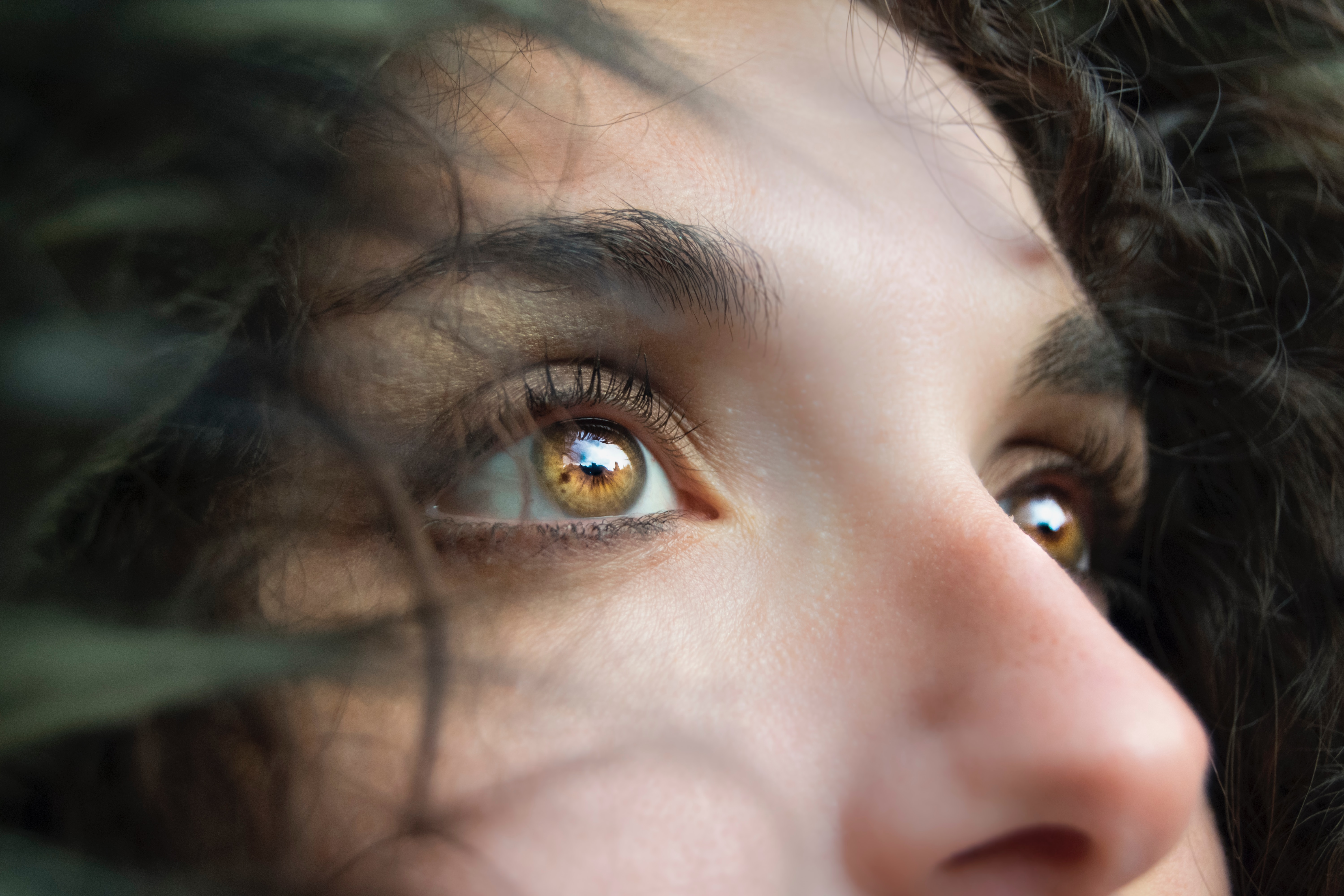
Eye Tracking Insights

Try Not To Blink—This Won’t Hurt

What exactly, is eye tracking? Do I have to put on a helmet or stick something unpleasant into my eye? No, nothing so invasive, and not the least bit uncomfortable. Eye tracking is the process by which eye movements are recorded for the purpose of tracking where a subject is looking, what he/she is looking at, and the duration of the subject’s gaze on a given area. Eye tracking differs from electrooculogram (EOG) in that it records where and at what the subject is actually looking, whereas EOG primarily records the movements of the eye muscles. Rather than merely recording eye movement and position, eye tracking forges an invisible yet accurate connection between the subject and the objects within the subject’s field of vision. These “visual connections” of where the subject was looking during the study are clearly visible in the resulting data, as dramatic as tire tracks on an impressionable surface.

So how does eye tracking work? Using invisible near-infrared light combined with high-definition cameras, the eye tracking system projects invisible light onto the eye and records the direction from which it is reflected off the cornea. Eye tracking software is used to calculate the exact position and focal point of the eye. The sophisticated combination of eye tracking hardware and software allows for extremely accurate measuring and analyzing of visual behavior and fine eye movements. This makes it possible to create a detailed map of a subject’s field of vision and the specific visual elements honed in on by the subject. Eye tracking data is commonly acquired in tandem with other body signals for the purpose of determining the effects of what we are looking at has on our physiology. Common signals acquired during eye tracking studies are:

  • EEG (cognitive processes)
  • EDA (alertness)
  • ECG (anxiety)
  • EMG (muscle activity, conditioning)
  • EGG (pulse, respiration, temperature)

What are researchers looking for when conducting eye tracking studies? Eye tracking data is useful in a variety of different research fields including interface usability, reading analysis, psychological and emotional response, marketing research, training, clinical vision diagnosis, and more.

Eye tracking hardware mainly comes in two flavors. Screen based eye tracking involves having a subject sit in front of a computer monitor while being presented with various types of visual stimuli. A “bar type” eye tracker records the subject’s responses and interfaces with eye tracking software to present the stimulus and store the resulting data for analysis. BIOPAC’s AcqKnowledge software version 5.0.6 and higher, along with the BIOPAC MP160, MP36R, or Wireless Smart Center system, supports fully-integrated eye tracking functionality*. Rather than having to learn a second software program, the familiar AcqKnowledge interface has been extended to incorporate the EYE-TRACK-BAR and EYE-TRACK-BAR-XL remote screen eye tracking systems.

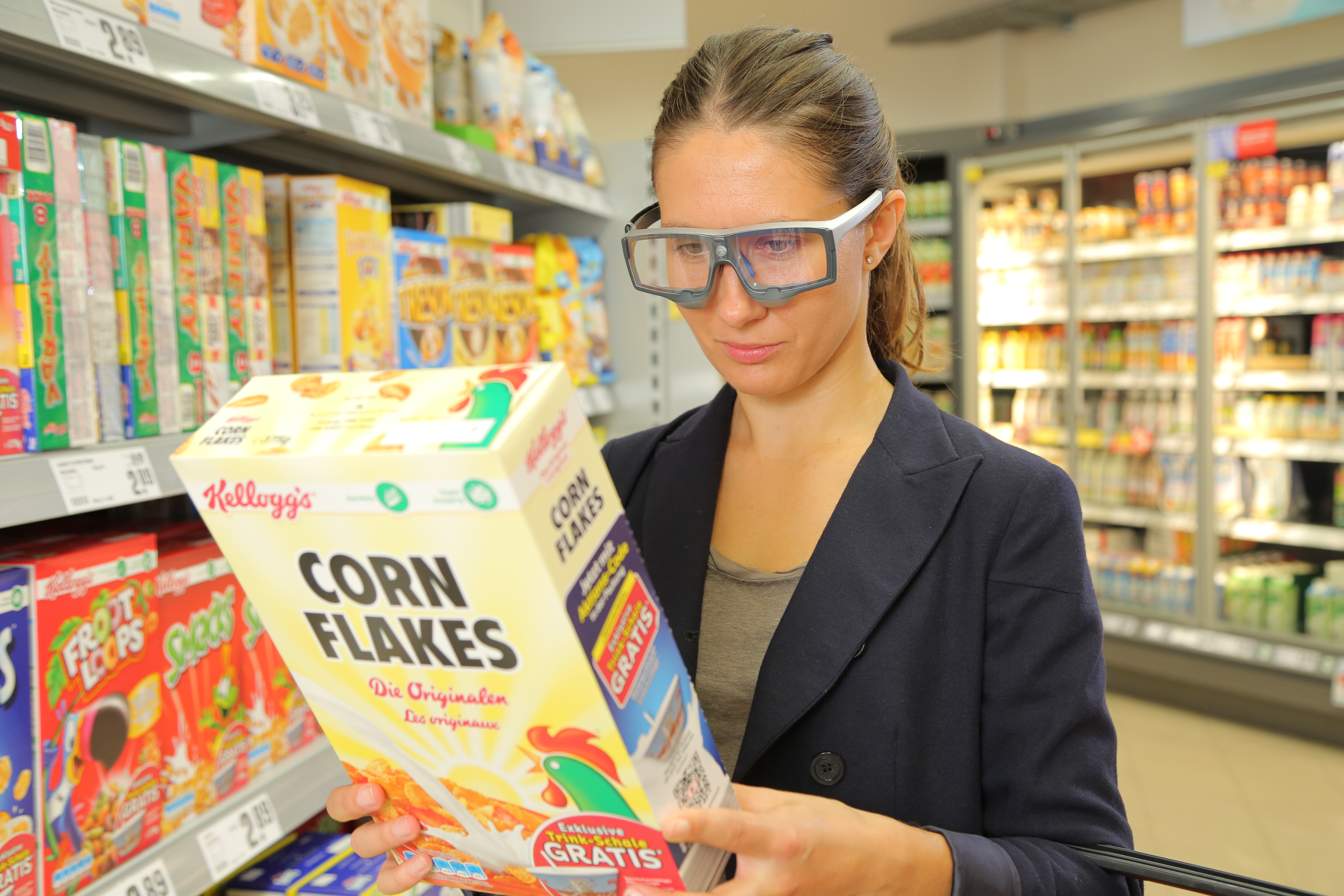
Mobile or “wearable” eye tracking systems utilize a pair of glasses with two types of built-in cameras. One camera faces the subject and tracks eye movements, gaze path, and other parameters, and a second camera (called a scene camera) records what the subject is looking at during the study. Mobile eye tracking allows the subject to engage in independent activities outside the lab, such as driving an automobile. Additional sensors record and log data from other body signals in real time, which can be loaded into the software for subsequent analysis.

For more information about eye tracking, we invite you to sign up for our free “Eye Tracking Fundamentals” webinar to be broadcast live on November 21, 2019 at 8:00 AM PST. Did you miss it or can’t attend? No problem. Follow the same link to watch it on demand.

*Eye Tracking Integration License for AcqKnowledge required.

Please also visit the following links for information about BIOPAC Eye Tracking products.

Eye Tracking Systems

Eye Tracking License


BIOPAC offers a wide array of wired and wireless equipment that can be used in your research. To find more information on solutions for recording and analyzing signals such as ECG, heart rate, respiration and more using any platforms mentioned in this blog post, you can visit the individual application pages on the BIOPAC website.

Photo by Marina Vitale on Unsplash

fNIRS Systems—a NIR miracle

At the dawn of the 19th century, pioneering astronomer Sir William Herschel discovered the existence of infrared radiation, which is electromagnetic radiation invisible to the human eye but identifiable via its ability to heat objects. Infrared radiation is commonly divided into three categories, near, mid, or far infrared waves. In ensuing years, infrared radiation was found to be useful for industrial, scientific, military, and law enforcement applications, such as heat signature tracking and night vision goggles. Over two decades ago, a new technology called near infrared spectroscopy (NIRS) was developed for non-invasively measuring specific aspects of human physiology using near infra-red waves. While far infrared waves lie closest to the microwave region, near infrared waves are closest in length to the visible light part of the electromagnetic spectrum, and are microscopic in size. Unlike far infrared waves, near infrared waves do not produce any heat. In fact, we can’t feel them at all. They are the small waves used by common devices such as a
remote control.

Today, near infrared waves are commonly used  for studying many application areas of human physiology, notably by the fNIRS Imaging Systems to gather precise, high-density brain function and muscle oxygenation data.

How does fNIRS work with regard to human physiology? It’s an optical technology which sends light into the tissue and records the light that scatters back via a photo-diode and sensor attached to the subject. The fNIRS continuous wave technology uses an optical window in the near infrared spectrum that enables light to pass through. For example, when you hold your hand in front of a strong white light, the tissue can appear red and almost translucent. fNIRS shines light into the skull or muscle tissue, and using special detectors, records the resulting light scatter that returns to the surface.  The light penetrates skin, bone, and alights on the brain before its return trip to the surface detectors, and accomplishes this painlessly without heat. In fact, the subject does not even feel the near infrared energy and the light is harmless. The result is startling images and functional data of the brain at work. The fNIRS Systems (ranging from Educational to High-Density versions) include fNIRsoft software for processing, analyzing and visualizing functional near infrared (fNIR) spectroscopy signals through a graphical user interface. Additionally, the fNIRS Systems work with the BIOPAC MP160 Research System and AcqKnowledge software in conjunction with other physiological signals such as ECG, respiration, cardiac output, blood pressure, electrodermal activity, and stimulus response markers. AcqKnowledge software also provides automated analysis tools for event related potentials and ensemble averaging.

fNIRS brain function application areas include workload assignment, VR,  stress, attention, geriatrics, economics, ergonomics, learning and performance, sports science, HCI, pain perception, and cognitive workload – low or high.

fNIRS Systems can also be used to measure muscle oxygenation data, including oxidative capacity, muscle load, lateral imbalances (left vs. right muscle group) oxygenated hemoglobin and de-oxygenated hemoglobin in muscle activity.

We invite you to enjoy a comprehensive free fNIRS webinar and to visit our fNIRS products page.

BIOPAC offers a wide array of wired and wireless equipment that can be used in your research. To find more information on solutions for recording and analyzing signals such as ECG, heart rate, respiration and more using any platforms mentioned in this blog post, you can visit the individual application pages on the BIOPAC website.

Stressing over the effects of stress

Several studies show chronic stress is typically detrimental to health, while acute stress may be linked to positive effects in addition to the negative counterparts

With April comes National Stress Awareness Month, and it bears noting that different types of stress have varying effects. Where chronic stress is typically detrimental to health, acute stress may be linked to positive effects in addition to the negative counterparts. But is this trade-off worth it?

In a biological psychology experiment testing the effect of oxytocin on acute social stress, researchers found different results between men and women. Subjects underwent several stress tasks while their electrocardiography and impedance cardiography were recorded with a BIOPAC MP Research System and amplifiers. The researchers found that after being given oxytocin during the stressful event, men had less negative affect and women had greater math performance (compared to the control group).

A neurobiology study examined the effect stress had on an extinction memory process when a competing association was paired with a previously aversive cue. To test this, participants were presented with two images, one that was paired with a shock from a BIOPAC bar electrode, and one that was not. Extinction memory training immediately followed this stimulus, with extinction retrieval testing following a day later. Data gathered by a BIOPAC data acquisition system suggested significantly lower retrieval in the group that experienced the acute stress stimulus.

Another biopsychology experiment measured the effect of acute stress on pro-inflammatory cytokine levels in the blood. BIOPAC equipment was used to measure ECG while participants were given the Trier Social Stress Test. After reviewing the data and blood samples, the researchers determined that levels of the cytokine cell, interleukin-1β, increased significantly immediately after the stress test.

The physiological and psychological impacts of stress are clearly multifaceted with many potential results. In some situations, a heightened positive affect or greater analytical thinking may be beneficial. But is this boost in mental performance worth the increase of inflammatory cells and lower memory retention? As with many aspects of life, moderation is the safest answer, ensuring the negative effects do not become chronic problems.

For more information on BIOPAC’s wide range of tools for recording, displaying, and analyzing ECG measurements from human and animal subjects including respiration, heart rate variability, and RSA, visit BIOPAC’s electrocardiography pages and view BIOPAC’s full line of electrodes, amplifiers, and wearable, wireless transmitters and loggers.

BIOPAC Systems, Inc. provides life science researchers and educators with data acquisition and analysis systems that inspire people and enable greater discovery about life. Visit us at www.biopac.com.

The Physiology of Consumer Buying Habits

On “Black Friday” in the US, shoppers will come out in search of great deals, and researchers can measure the many physiological factors that motivate shoppers other than deals and price cuts.

Black Friday is one of the most exciting days for consumers in the United States. With the holidays right around the corner, significant deals and price cuts incentivize people to do bulk gift shopping. But is price the only factor influencing shoppers to dedicate hours waiting in line for a product?

In a neurophysiology study by Alexander et al., researchers found that participants who received a coupon while shopping online had a significant increase in oxytocin and a decrease in cortisol. A BIOPAC research system was used to gather ECG, respiration, and skin conductance data while the participants browsed a commerce website.

Another article by Ha-Brookshire and Bhaduri measured ECG response to stimuli that tested consumers’ perceived trust of businesses. The BIOPAC MP36R was used to record participants’ heart rates while they read negative reviews of an apparel business. The results found lower heart rate and less trust were correlated with the less favorable comments.

Conversely, a consumer research study by Langner et al. found that consumers’ love of brands is similar to their love of friends. Signals measured included EDA, EMG, ECG, and BPV, and were recorded by BIOPAC MP160/MP150 hardware to measure arousal levels while participants viewed different brand and interpersonal stimuli.

BIOPAC offers a variety of equipment that can be used in studies similar to the ones presented. To find more information on solutions for recording and analyzing signals such as EEG, EMG, respiration, skin conductance using the MP160/MP150, MP36, and other platforms, you can visit the individual application pages on the BIOPAC website. If you are interested in reading other related studies, visit the publications page on the BIOPAC website.

BIOPAC Systems, Inc. provides life science researchers and educators with data acquisition and analysis systems that inspire people and enable greater discovery about life. Visit us at www.biopac.com.

The Physiology of Election Decision-Making

The psychophysiological factors of stress, the behaviors of others, and of introception can play major roles in decision-making, and BIOPAC systems provide measurements of how physiological factors such as these influence decisions.

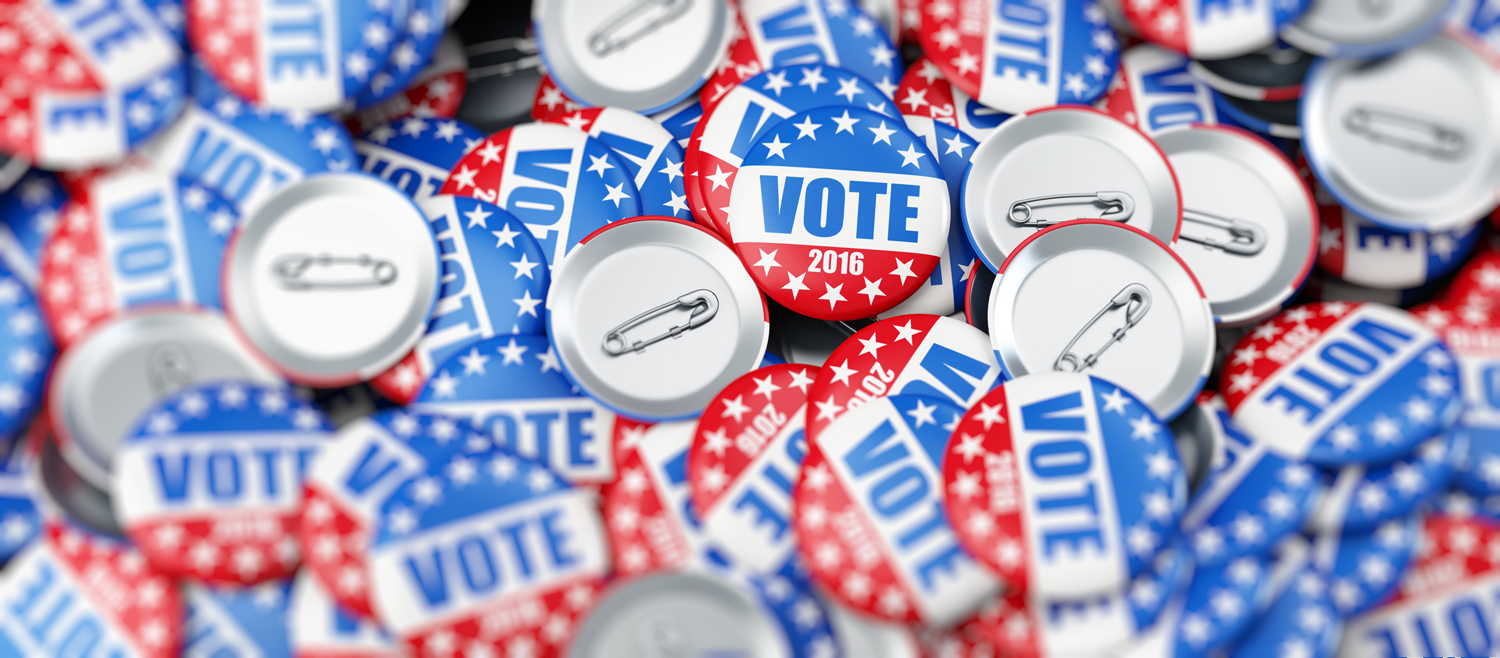
People experienced varying stress levels because of the 2016 US presidential election. There are a variety of factors that can impact voting behaviors and decision-making. Several recent studies using BIOPAC systems investigated the psychophysiological effects of stress, the behaviors of others, and introception on decision-making.

Stress has been shown to be very influential in decision-making. In their study, Yamakawa, Ohira, and Mastunga Isowa (2016) investigated effects of acute stress and risk taking in decision-making. Participants were asked to perform a decision-making choice where they either kept or bet the money they were given. Cardiodynamic activity was measured with ECG using a BIOPAC MP system. Results suggest that with an increase in cortisol, adrenaline, heart rate, and subjective stress, participants were likely to make fewer risky choices. So, high levels of stress may be key in helping make better decisions when selecting a future president.

Perhaps it’s not stress that will influence the choice of the next POTUS (President of the United States), but rather the behaviors of others. Work by Bault, Joffily, Rustichini, and Coricelli (2011) sought to compare private and social decision-making to discover the effect of social comparison on risky choices. The objective of the study was to understand more about how individuals evaluated the outcomes of their decisions in private as opposed to in a social context. Combining data from functional MRI (FMRI) and skin conductance recordings, subjects’ reactions were measured using a BIOPAC MP150 System. Researchers found that participants took significantly longer to make a decision in a social setting than in a private one.

In the end, many feel that it is important to listen to your heart when deciding who you find qualified to be the next president. A study by Dunn et al. (2010) examined whether introception moderates the coupling of bodily responses to emotional experience and intuitive decision-making. Bodily response and heart rate were recorded using a BIOPAC Research System and electrodes to measure introception through changes in heart rate. Researchers found that introception was not related to arousal, valence ratings, or heart rate response to images.

For more information on BIOPAC’s wide range of tools for recording, displaying, and analyzing physiological measurements from human and animal subjects including respiration, heart rate variability, ECG and EDA, visit BIOPAC’s  psychophysiology page and view BIOPAC’s full line of electrodes, amplifiers, and wearable, wireless transmitters and loggers.

BIOPAC Systems, Inc. provides life science researchers and educators with data acquisition and analysis systems that inspire people and enable greater discovery about life. Visit us at www.biopac.com.

Think As Scientists Think—Empirical Research Skills

Learning to think as scientists think is empowering and drives this process and “Hard” and “soft” research skills combine well with Biopac Student Lab Lessons.

(Photo © 2016 Knowledge Growers, Inc.)

By Howard Iver Thorsheim, Ph.D., St. Olaf College

“Hard” and “soft” research skills combine well with Biopac Student Lab Lessons; for example:

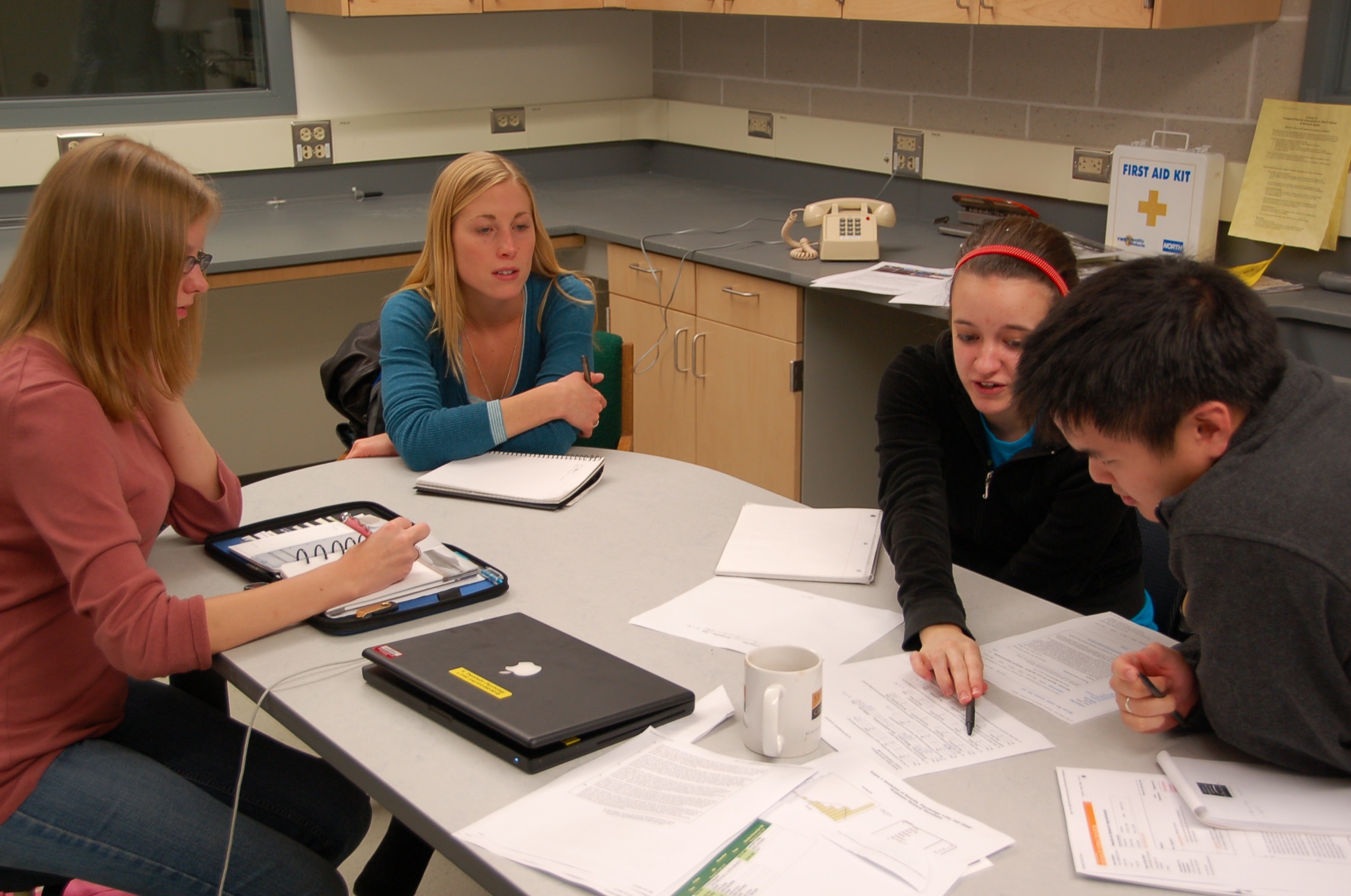
  • Working as members of cooperative-learning teams;
  • Learning about basic psychophysiological measures;
  • Organizing supplies;
  • Following a protocol to greet a participant;
  • Explaining proposed procedure, and obtaining written informed consent using a form they draft;
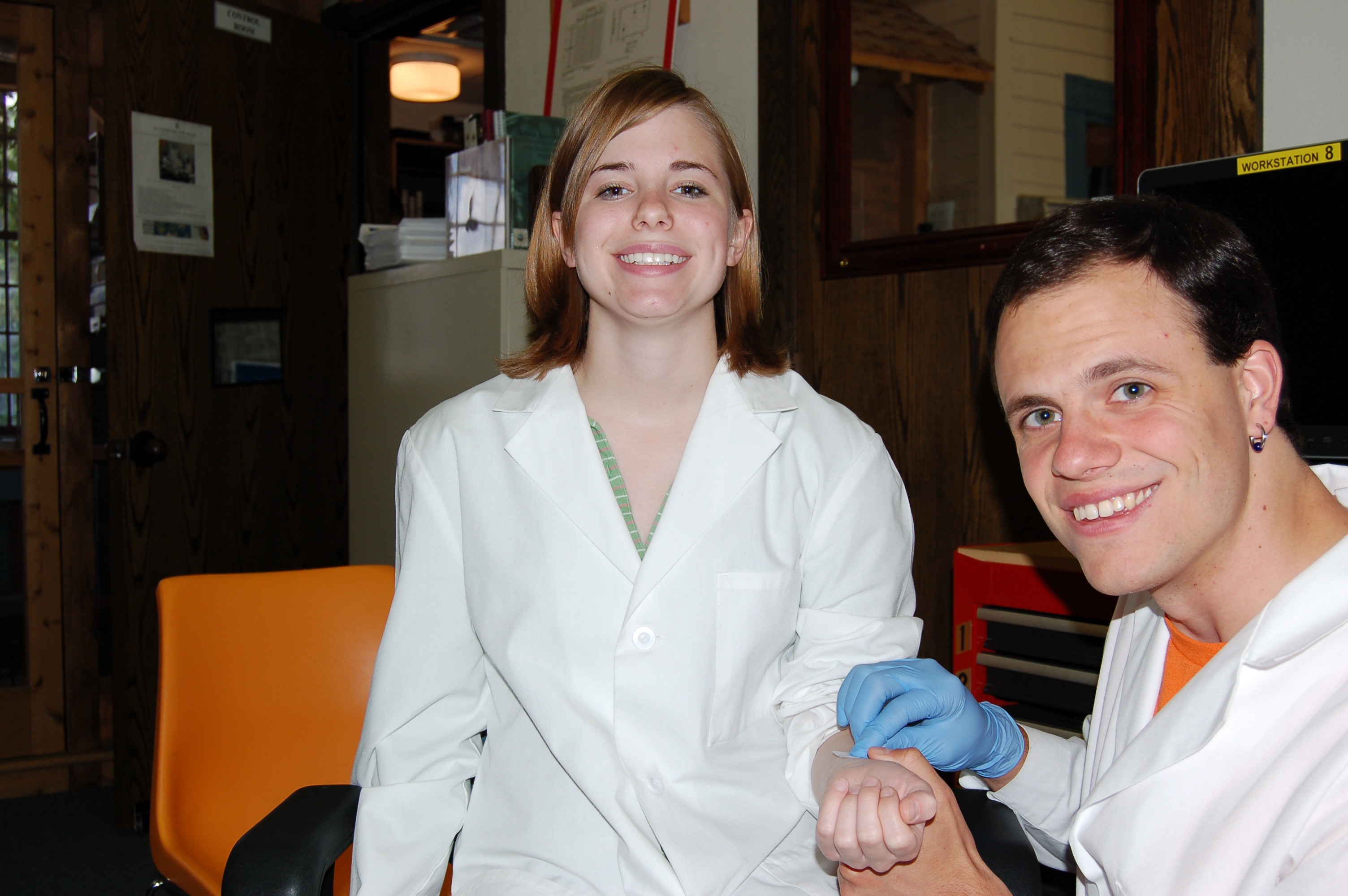
  • Preparing participant, placing electrodes, and manipulating independent variables;
  • Debriefing participant;
  • Analyzing and graphing results;
  • Writing up research results in APA format.

Since the goal is learning skills for thinking, many of the usual requirements for rigorous research headed for publication can be relaxed for beginning students. This can motivate students for advanced student research honors projects or faculty/student research. Some examples of requirements that can be relaxed include naive participants (team members can serve as experimental participants in each other’s explorations—availability samples), sample sizes large enough to attain statistical power (instead two or three can be sufficient), and random assignment to conditions.

Learning to think as scientists think is empowering and drives this process, and some examples include students thinking about:

  • Articles of interest students find in data base searches that lead to their own research questions to explore;
  • Which psychophysiological measures they have practiced would provide information to help them learn more about their research question;
  • What they want their participants to do;
  • Key issues of experimental and statistical control, and
  • Any other equipment or supplies they might need to arrange for in addition to what is available within the limitations of available apparatus and facilities.

Before they may proceed, beginning students present their thinking on such issues to me as their consultant.

I provide a rubric with many tips, such as noting what they observed during the experiment that could have unintentionally influenced the results, describing strengths and limitations of their conclusions based on their findings, and answering the “So what?” question to extend their findings into their own life and think about the implications such findings might have for them.

See following for more ideas for teaching empirical research skills to help students think as scientists think, with research support:

Thorsheim, H. I. (2015). Experimental psychology. In D. S. Dunn (Ed.), The Oxford Handbook of Undergraduate Psychology Education. New York: Oxford University Press, 387-401. (Focus is.)


Learn more about BIOPAC’s education solutions, including complete teaching systems for psychophysiology and the life sciences. BIOPAC also provides a wide range of research systems for recording, displaying, classifying, and analyzing psychophysiological measurements.

BIOPAC Systems, Inc. provides life science researchers and educators with data acquisition and analysis systems that inspire people and enable greater discovery about life. Visit us at www.biopac.com.

Professor Thorsheim is a licensed Psychologist, educator, and author. He has published or presented over 125 papers, journal articles, books, book chapters or monographs, and received a patent in 1985 as a co-inventor for an educational book design with interactive elements. His work has been funded by marquee foundations across the globe. His most recent work is Doing Psychophysiology: Getting Started, available from Knowledge Growers, Inc., available as an iBook download in 51 countries.

Thinking As Scientists Think

By Howard Iver Thorsheim, Ph.D., St. Olaf College. Information literacy skills projects help students discover that they know that they know how to find information, which increases their sense of competency, and is self-reinforcing.

(Photo © 2016 Knowledge Growers, Inc.)

By Howard Iver Thorsheim, Ph.D., St. Olaf College

I have titled this blog “Thinking As Scientists Think.” A more accurate—but longer—description might be “Helping Students Learn Skills to Think As Scientists Think—Information Literacy Skills.” I have found it effective to help students learn two levels of skill development that will help them think as scientists think: (a) information literacy skills to learn about the skills, which is the focus of this blog, and (b) empirical research skills to do the skills they have learned about (discussed in this post, building on Biopac Student Lab lessons).

I partner with a librarian colleague to develop and provide an initial 45-minute information literacy skills session on how to use available databases to locate information. I provide a selected list of research skills to guide their search. Teams decide exactly what they read online about each listed skill, so information each team locates may be unique, though the skills searched are the same. They discover that they know that they know how to find information, which increases their sense of competency, and is self-reinforcing.

You can select your own list of research skills you wish students to learn about, to fit your own teaching/learning goals and schedule. The following are some examples from my skills list for introducing psychophysiology in courses:

  1. strategy for using information literacy skills;
  2. using a consultant (in this case it is me, their teacher);
  3. forming research questions;
  4. psychophysiology methods;
  5. operationalization of variables;
  6. psychophysiological measurement;
  7. adhering to research ethics;
  8. statistical analysis in psychophysiology (selecting methods appropriate from their course background ranging from descriptive to more sophisticated statistics);
  9. writing following the format of the Publication Manual of the American Psychological Association, and
  10. oral presentation skills (e.g., tips for presenting their summaries that will help them be excellent peer-mentors).

The genuine research skills students learn support your course goals and engage students in science, contribute to national STEM goals, and add to a student’s thinking toolkit. Students can annotate their team-based information-literacy searches and can include that in a cumulative personal skill inventory, useful for skill-based résumés for assistantships, jobs, and graduate applications.

Here are two helpful resources on the usefulness of helping students develop genuine research-oriented skills and begin using them:

Jenkins, A. & Healey, M. (2010). Undergraduate research and international initiatives to link teaching and research. Council on Undergraduate Research Quarterly, 30(3), 36-42.

Mervis, J. (2016). Genuine research keeps students in science. Science, 352(6291), 1266.
DOI: 10.1126/science.352.6291.1266


Learn more about BIOPAC’s education solutions, including complete teaching systems for psychophysiology and the life sciences. BIOPAC also provides a wide range of research systems for recording, displaying, classifying, and analyzing psychophysiological measurements.

BIOPAC Systems, Inc. provides life science researchers and educators with data acquisition and analysis systems that inspire people and enable greater discovery about life. Visit us at www.biopac.com.

Professor Thorsheim is a licensed Psychologist, educator, and author. He has published or presented over 125 papers, journal articles, books, book chapters or monographs, and received a patent in 1985 as a co-inventor for an educational book design with interactive elements. His work has been funded by marquee foundations across the globe. His most recent work is Doing Psychophysiology: Getting Started, available from Knowledge Growers, Inc., available as an iBook download in 51 countries.

How to Promote Cooperative Thinking

By Howard Iver Thorsheim, Ph.D., St. Olaf College. How to promote cooperative thinking of team members doing psychophysiology, draw from their richly diverse interests and ideas, and in the process teach a “soft” skill that could transfer to later life.

(Photo © 2016 Knowledge Growers, Inc.)

By Howard Iver Thorsheim, Ph.D., St. Olaf College

Howard Iver Thorsheim is Professor of Psychology and Neuroscience at St. Olaf College, Northfield, Minnesota, USA. In these blogs he offers his first-person insights into effective teaching techniques gleaned from a combination of scholarly research and over 40 years in the classroom.

The Challenge:

The challenge was how to promote cooperative thinking of team members doing psychophysiology, drawing from their richly diverse interests and ideas, and in the process to learn a “soft” skill that could transfer to later life.

The Solution:

I adapted a tried-and-true group process to help team members doing psychophysiology research identify diverse ideas and think about their group project in a cooperative way. (The technique can be scaled up to engage many teams simultaneously). The technique is called the Nominal Group Technique, first developed by DelBecq and Van de Ven (1975).* The reason for the word nominal is evident in Step 1.

Step 1. Each student in a team was given a stack of 25 or so Post-it® notes. Because each student is working alone at this point, they are a group in name only (i.e., nominally a group). Their homework assignment was to think independently about ideas and interests that came to mind for them, and jot down a few words identifying their idea or interest on each of the Post-it notes. Interaction comes in step 2.

Step 2. The next class, the team members gathered together near a whiteboard. In a round-robin interactive fashion, one at a time, the students placed their Post-it notes on the board: One person started by placing the top Post-it from their stack on the board; the second person placing their first Post-it note close or further away from the first person’s Post-it note, depending upon their sense of closeness of the ideas. So it goes with the other students, with the round robin continuing until all Post-it notes are placed on the wall. Step 3 is the convergence!

Step 3. Again in a round-robin fashion, students take turns with a non-permanent marker drawing dashed lines around clusters they observe, and jotting down their idea for a name for each cluster. The result from the large group of individual ideas or interests becomes a smaller cluster of related ideas. The result is more coherence of ideas, engagement, social cohesion, and team focus. It works every time in any team or group!

See how the Center for Disease Control adapts the technique in this Nominal Group Technique (NGT) Evaluation Brief.

*Delbecq, A. L., Van de Ven, A. H., & Gustafson, D. H. (1975). Group techniques for program planners: a guide to nominal group and Delphi processes. Glenville, Illinois: Scott Foresman.


Learn more about BIOPAC’s education solutions, including complete teaching systems for psychophysiology and the life sciences. BIOPAC also provides a wide range of research systems for recording, displaying, classifying, and analyzing psychophysiological measurements.

BIOPAC Systems, Inc. provides life science researchers and educators with data acquisition and analysis systems that inspire people and enable greater discovery about life. Visit us at www.biopac.com.

Professor Thorsheim is a licensed Psychologist, educator, and author. He has published or presented over 125 papers, journal articles, books, book chapters or monographs, and received a patent in 1985 as a co-inventor for an educational book design with interactive elements. His work has been funded by marquee foundations across the globe. His most recent work is Doing Psychophysiology: Getting Started, available from Knowledge Growers, Inc., available as an iBook download in 51 countries.

Start the First Class with EDA and Emotional Responses!

By Howard Iver Thorsheim, Ph.D., St. Olaf College. I wanted to start the first day of my class with an activity that would engage students’ curiosity and enthusiasm, to set the stage for introducing the course and going over the syllabus!

By Howard Iver Thorsheim, Ph.D., St. Olaf College

Howard Iver Thorsheim is Professor of Psychology and Neuroscience at St. Olaf College, Northfield, Minnesota, USA. In these blogs he offers his first-person insights into effective teaching techniques gleaned from a combination of scholarly research and over 40 years in the classroom.

I find Electrodermal Activity (EDA) to be a great way to demonstrate psychophysiology measurement at the beginning of a course: students easily understand it. It takes little time to set up and record because it only involves two sensors on the finger tip pads. It works every time as a “window” to emotions with clear responses to a variety of stimuli (e.g., visual, auditory, gustatory, olfactory).

I show students a picture of a rock climber climbing a cliff, then ask them to jot down some notes of what they might feel when climbing like the woman pictured, and then buzz with a person sitting next to them about what they wrote. I ask for a show of hands of who has mentioned the bag hanging from the climber’s belt. Depending on the amount of time I choose to devote to the activity, I lead the entire class through a number of probing questions; for example:

“Who knows what the bag is for?” (Chalk for fingers.)

“Why does the climber use chalk?”  (Reduce slipperiness from sweat.)

“Why do fingers get slippery?” (Emotion.)

“What other people encounter emotion daily?”

I then set the stage for EDA: changes in skin conductivity are due to the amount of sweat in sweat glands of the skin, which are produced by the sympathetic branch of the autonomic nervous system responding to emotion.

I explain to the class that I will be the first volunteer, and guarantee that no shock is involved using BIOPAC equipment. I connect electrodes on the volar pads of my index and middle fingers, and take a deep breath, which will generate EDA. Then I tell the class I will think of emotion-producing situations, and ask them if they can see any EDA detected by the equipment. There will be a few good chuckles because in anticipation of doing so, my response will already appear. Two of several easy classroom measurements of EDA include latency (about 1 to 3 seconds between a stimulus and beginning of the electrodermal response), and peak amplitude (the maximum size of the response). My eBook Doing Psychophysiology–Getting Started on the Apple iBooks Store has a graphic narrative and a one-minute video explanations about EDA, as well as other psychophysiology measures you can show your students. The Biopac Student Lab system also includes two lessons in which students can engage in interactive learning activities while measuring EDA; a lesson on the principles of biofeedback and one on the standard physiological measures of a polygraph.

An excellent summary of Electrodermal Activity is provided in the following chapter:

Dawson, M. E., Schell, A. M. & Fillion, D. L. (2007). The electrodermal system. In J. T. Cacioppo, L. G. Tassinary, & G. G. Berntson (Eds.). Handbook of psychophysiology (3rd ed. pp. 159-181). New York: Cambridge University Press.

Learn more about BIOPAC’s education solutions, including complete teaching systems for psychophysiology and the life sciences. BIOPAC also provides a wide range of research systems for recording, displaying, classifying, and analyzing psychophysiological measurements.

BIOPAC Systems, Inc. provides life science researchers and educators with data acquisition and analysis systems that inspire people and enable greater discovery about life. Visit us at www.biopac.com.

Professor Thorsheim is a licensed Psychologist, educator, and author. He has published or presented over 125 papers, journal articles, books, book chapters or monographs, and received a patent in 1985 as a co-inventor for an educational book design with interactive elements. His work has been funded by marquee foundations across the globe. His most recent work is Doing Psychophysiology: Getting Started, available from Knowledge Growers, Inc., available as an iBook download in 51 countries.


Forming Cooperative Learning Groups: The Solution

By Howard Iver Thorsheim, Ph.D., St. Olaf College. Students think psychophysiology is cool…. It generates all kinds of buzz, interest, excitement, questions–even from other faculty and administrators–and psychophysiology appeals to many students in related disciplines,

(Photo © 2016 Knowledge Growers, Inc.)

By Howard Iver Thorsheim, Ph.D., St. Olaf College

Howard Iver Thorsheim is Professor of Psychology and Neuroscience at St. Olaf College, Northfield, Minnesota, USA. In these blogs he offers his first-person insights into effective teaching techniques gleaned from a combination of scholarly research and over 40 years in the classroom.

Extensive research* documents the validity and benefits of constructivist learning and peer mentoring. The challenge is how to introduce students to psychophysiology so that they have the opportunity to be engaged.

Psychophysiology is inherently engaging to students because it links with most course topics, as well as whatever are their interests. “Students think psychophysiology is cool…It generates all kinds of buzz, interest, excitement, questions—even from other faculty and administrators–and psychophysiology appeals to many students in related disciplines, creating opportunities for cross-disciplinary collaboration among faculty and student.” (Thorsheim, LaCost & Narum, 2010, p. 27-28).

In what I call The Appetizer Process, the assignment for the next class meeting is for students to search the Internet on a combination of three topics: (1) Their interests (whatever they have a passion for), (2) The word “Psychophysiology,” and (3) The topic for the day in the course I am teaching.

They are to see what pops up, look for a link that strikes them as intriguing, click on it, and print out one first page from that link to bring to the next class meeting. I tell them they will be asked to share what they have found and why it’s intriguing to them, and turn the sheet in so I can learn more about their interests.

Next class, I ask students to form pairs, and tell their partner what their sheet is about and something about why it interests them. While pairs are talking, I identify two or three pairs that seem to be particularly engaged in conversation and ask them if they would be willing to share about 15 seconds worth of what they talked about when we regroup.

I tell the large group that the reason for asking the pairs to share what they talked about is to demonstrate the richly diverse connections that people construct.

I remind the class to make sure their names are on their sheets when they turn them in so I can connect them and their interests. (Another option is to compile all the names and links to share back to the class).

Whatever the plan is for the rest of class, after pairs share and hear from the two or three pairs, I find students are engaged because they have actively constructed connections with their interests, psychophysiology, and the topic for the day.

*Galindo, J. H. (2011). Authentic learning (Simulations, Lab, Field). Download it here.

Mayo, J. A. (2010). Constructing undergraduate psychology curricula: Promoting authentic learning and assessment in the teaching of psychology. Washington, DC: American Psychological Association.

Thorsheim, H., LaCost, H., & Narum, J. L. (2010). Peer mentoring of undergraduate research in community colleges: A “transplantable” model for workshops. Council on Undergraduate Research Quarterly, 31(2), 26-32. View it here.

Learn more about BIOPAC’s education solutions, including complete teaching systems for psychophysiology and the life sciences. BIOPAC also provides a wide range of research systems for recording, displaying, classifying, and analyzing psychophysiological measurements.

BIOPAC Systems, Inc. provides life science researchers and educators with data acquisition and analysis systems that inspire people and enable greater discovery about life. Visit us at www.biopac.com.

Professor Thorsheim is a licensed Psychologist, educator, and author. He has published or presented over 125 papers, journal articles, books, book chapters or monographs, and received a patent in 1985 as a co-inventor for an educational book design with interactive elements. His work has been funded by marquee foundations across the globe. His most recent work is Doing Psychophysiology: Getting Started, available from Knowledge Growers, Inc., available as an iBook download in 51 countries.

error: Content is protected !!