Back to School: Studying the New Frontiers in Digital Learning

As students return to the classroom and the academic year kicks off, it’s worth acknowledging that the campus is not just a setting for learning. The classroom and the academic processes within it are ripe for study. The application of physiological and psychological signals in education research has become increasingly vital to understanding academic performance and optimizing teaching methods.

With the proliferation of online teaching, particularly during the COVID-19 pandemic, researchers have gained unprecedented access to diverse digital learning environments. By analyzing data like eye-tracking, heart rate, and brain activity, alongside cognitive and emotional responses, educators and scientists can better assess the effectiveness of these tools, offering insights that could revolutionize how we approach learning in the digital age.

A study by researchers in Montreal, Canada examined the impact various video formats had on student engagement and performance during online learning sessions. The research team employed a combination of electrodermal activity (EDA) and facial movement to measure cognitive response to video stimuli. Two groups of study participants were each shown different formats of online learning courses. The first group watched an infographic-based video comprising animated graphics, images, and text. The second viewed a video capture of a professor lecturing in a classroom setting. Cognitive and emotional engagement data were gathered from both groups via BIOPAC wireless EDA amplifiers connected to a BIOPAC data acquisition and analysis system. Further measurement of emotional engagement was conducted using a facial recognition system with facial emotion analysis software. Results of the study showed that while the recorded lecture provided greater emotional engagement over a shorter period, the infographic video results showed a higher level of emotional and cognitive engagement over longer periods resulting in heightened levels of student performance overall.

Increased reliance on computer-focused teaching methods has sparked interest in the psychological and physiological impacts of this approach. A study by a pair of researchers at the Technical University of Munich looked at the physical and emotional responses students experienced in computer-based learning environments (CBLE) to determine if these metrics provided insight into academic performance. The research team gathered a combination of EDA, heart rate (HR), and self-reported data from 32 participants in a CBLE lab. EDA was gathered using a BIOPAC lead set connected to an MP36 data acquisition system running Biopac Student Lab software. Raw electrocardiogram (ECG) data was also collected via the MP36, while heart rate variability (HRV) was calculated using third-party analysis software. Researchers compared physiological data to participant responses. Negative academic affective responses to CBLEs were reflected in increased EDA and HR levels. EDA also showed a positive correlation with learning performance, while increased student boredom was reflected in decreased heart rate. Researchers concluded that EDA could be used as an accurate predictor of academic success in CBLEs.

virtual classroomWhile the addition of virtual learning environments has created new opportunities in digital education, it has also drawn considerable interest as well as sparked some debate among educators regarding their effectiveness and impact on students. Researchers from the University of California, Santa Barbara and the University of Wisconsin published the results of a collaborative study into how immersive virtual reality (IVR) systems are being used in education and their effect on both cognitive and affective processing. Study participants were divided into two student groups. One viewed a biology lesson on the human bloodstream as an interactive animated journey in IVR while the other viewed a slideshow on a desktop monitor. EEG and ECG data were gathered using a B-Alert wireless EEG system while PPG and EDA signals were collected via a BioNomadix Wireless Amplifier. All data was fed into an MP160 data acquisition system running AcqKnowledge. The study concluded that students using the IVR environments not only performed at lower levels than their counterparts using non-IVR methods, but data also suggested higher levels of distraction and reduced engagement in the IVR group based on EEG measures than those who viewed the slideshow. According to the published study, “results support the notion that immersive environments create high affective and cognitive distraction, which leads to poorer learning outcomes than desktop environments.”

The frontier of digital learning is just beginning to be explored. BIOPAC has the tools for gathering a wide range of physiological and psychological data on digital and virtual learning environments. For additional information on integrating digital solutions into your study, see our Webinars page.


Are you planning an education study using physiological signals and data, VR, facial recognition, or eye tracking? Our regional sales staff is ready to help you find the right tools for the job.

Measuring Mindfulness: Ancient Awareness for Modern Research

The concept of mindfulness has garnered significant attention in recent years, transcending its roots in ancient meditation practices to become a focal point in modern scientific research, particularly in the fields of physiology and psychophysiology. Understanding mindfulness involves delving into its essence: a state of heightened awareness and acceptance of the present moment, free from judgment or attachment to external stimuli. But how exactly does this concept intersect with the realms of physiology and psychophysiology, and how do researchers measure its impact on the human body and mind?

At its core, mindfulness entails being fully present and engaged in the current experience, whether it be a sensation, thought, or emotion. This mental state has been associated with numerous health benefits, including stress reduction, improved cognitive function, and enhanced emotional well-being. In the realm of physiology and psychophysiology, researchers are keen to explore how mindfulness practices influence the body’s physiological processes and how these changes can be quantified and understood.

One of the primary methods used to measure mindfulness in laboratory settings is through the analysis of physiological signals, such as electrodermal activity (EDA) and heart rate variability (HRV). During mindfulness practices, individuals often experience a shift in these physiological parameters. For example, studies have shown that mindfulness meditation can lead to decreased EDA, indicating a reduction in sympathetic nervous system activity and arousal levels. Similarly, practitioners may exhibit increased HRV, reflecting greater parasympathetic nervous system dominance and improved adaptability to stressors.

A collaborative study by a team of researchers from Wake Forest University, the University of Utah, and San Diego State University examined the role of HRV in mindfulness-based pain relief practices. Specifically, the study looked at the role of high-frequency heart rate variability (HF HRV), a marker of parasympathetic nervous system (PNS) activity, during mindfulness-based pain relief versus a sham-breathing exercise that served as a control. Respiration and electrocardiogram (ECG) data was fed into a BIOPAC data acquisition and analysis system. While the study results were inconclusive, researchers determined that further study was needed to explore “parasympathetic activation in mindfulness-based pain relief as compared to other meditative techniques.”

lotusA study published in the 2023 edition of the Journal of Psychiatric Research compared how rest and breath-focused mindfulness could be used to regulate and control various symptoms of post-traumatic stress disorder (PTSD) and dissociative symptoms related to past trauma in female study participants. Researchers used skin conductance response (SCR), one of the components of EDA, to measure autonomic function as it relates to PTSD symptoms. SCR data were collected during alternating resting control and breath-focused mindfulness conditions via BIOPAC EDA electrodes connected to a BIOPAC data acquisition and analysis system. The study found that rest and breathing exercises had produced positive results for individuals with low to moderate levels of trauma but were less effective with higher levels.

One notable feature of BIOPAC’s technology is its ability to integrate multiple physiological signals simultaneously, allowing researchers to better understand how mindfulness practices impact various bodily systems. An example is a study by a group of researchers in Israel that examined the effectiveness of mindfulness-based interventions (MBI) in improving mental well-being and resilience. MBIs are non-religious adaptations of contemplative Buddhist practices that are used to reduce suffering and increase well-being. Researchers used a BIOPAC BioNomadix system to wirelessly record a range of physiological signals, including ECG, electromyography (EMG), and EDA. Their goal was to determine whether mindfulness could positively influence how interoceptive signals from the autonomic nervous system regulate one’s sense of well-being. The study concluded that “mindfulness seems to increase the sensitivity of regulatory selections to interoceptive signals, and this is associated with subjective well-being.”

Mindfulness represents a fascinating intersection between ancient contemplative traditions and modern scientific inquiry. To learn more about how BIOPAC is helping researchers uncover new insights into the physiological aspects of mindfulness and its potential implications for health and well-being, check out our webinar on The Science of Mindfulness.


Are you looking for techniques and tools to measure mindfulness in your study? Contact your regional BIOPAC sales representative to integrate everything you will need to gather and analyze data.

2023 in Review: The Best of Research Using BIOPAC

As another year winds to a close, it is a holiday tradition to look back on the last 12 months and take stock. ‘Tis the season of “top 10” lists, “best of” articles, and “year in review” segments in the media. So, not to be left out, we here at BIOPAC have been assessing 2023 from our own unique vantage point. We have put together a brief list of some of our favorite research studies from the year that relied on BIOPAC products to gather and analyze data. We have nervous passengers in driverless cars, killer clowns, and individuals giving us conspicuous side-eye, all for your reading pleasure.

Backseat Drivers

While the advent of self-driving vehicles offers considerable potential for increasing the convenience of transportation and travel, this developing technology is not without controversy. Both passengers and those who would potentially share the road with autonomous vehicles worry about safety issues. A recent study funded by the French National Research Agency examined how passengers in self-driving vehicles reacted when navigating shared-space areas with large concentrations of pedestrians. The study defined shared spaces as “areas where all forms of segregation between pedestrians and vehicles (e.g., road markings, traffic signals, signs, curbs, and barriers) are minimized or eliminated.” Study participants were seated in front of a computer-based driving simulator. EDA data was gathered via a BioNomadix wireless  EDA transmitter and amplifier connected to a BIOPAC data acquisition and analysis system. Data was gathered across a variety of variables including changes in vehicle speed, concentrations of pedestrians, and proximity. Among the study’s conclusions was the suggestion that cognitive processes involved in collision risk assessments may lead to physiological adaptations that allow passengers to cope with stress related to vehicle-pedestrian interactions in shared spaces.

Send in the (Demonic) Clowns

VR HMDAnother study that caught our attention in 2023 examined how stressors created in a virtual reality (VR) environment are manifested in measurable physiological stress reactions. VR has seen a growth of applications beyond entertainment in recent years. It is being used for a wide range of applications such as training in simulated environments where it is necessary to create stressful conditions that mimic real-world experiences. A team of German researchers examined a variety of physiological signals, including electroencephalography (EEG), electrodermal activity (EDA), and peripheral skin temperature (ST) to determine which are most reliable for accurately measuring the stress levels of participants while they experienced cinematic horror scenarios in a VR environment. Study participants wore a VR headset that displayed four-minute episodic horror movies featuring demonic clowns. EEG data was gathered with an SS2L electrode lead set and general-purpose electrodes connected to the left temporal lobe. ECG recording was conducted with a second lead using an SS2L electrode lead set. The research team used an SS3LA EDA transducer to collect EDA data. All data was fed to an MP36 system running Biopac Student Lab (BSL) software. The study successfully demonstrated that stress can be triggered in VR and leads to a physiological and measurable stress reaction.

Are You Looking at Me?

The third study that sparked our interest in 2023 looked at how individuals react to the gaze of another person. A team of researchers from Finland and China used facial electromyography (EMG), skin conductance response (SCR), and heart rate (HR) to measure affective and attentional responses to faces with a direct and averted gaze. The study sought to measure both vicarious responses to watching two individuals who were looking at each other as well as individuals looking directly at the participant. SCR was recorded using a BIOPAC EDA100C amplifier connected to an MP data acquisition system. The participant’s facial muscle activity was measured and amplified with an EMG100C amplifier. The electrocardiogram (ECG) signal was measured with electrodes placed on the left and right inner forearm and amplified with an ECG100C amplifier. While the study did not find significant vicarious eye contact response, it did measure considerable affective response from direct gaze from one or more individuals. The study’s results could provide a better understanding of the role physiology plays in non-verbal communication between individuals and groups.

This is just a small sampling of the many studies that relied on BIOPAC equipment to gather and analyze data in 2023. For more ideas on how BIOPAC is leading the way in physiology, psychophysiology, neurology, and other areas of research, check out our webinars or watch one of our many online training videos. See you in 2024!


Start 2024 right by leveraging BIOPAC products in your next research study. Reach out to your regional sales representative to learn more.

Put a Ring on It: Wearables Offer New Research Options

Rings, watches, bracelets, and belts—we think of them as indispensable fashion accessories. A bit of bling can put the finishing touch on an outfit for a night on the town, but what about a day in the lab? Wearable technology is transforming the landscape of physiology research by enabling real-time, noninvasive data collection in a variety of settings.

For many, their first introduction to the potential of wearable physiology technology came through smartwatches and fitness bracelets. These consumer electronics offer a convenient and affordable way for anyone from professional athletes to fitness hobbyists to monitor their health data, which often includes pulse, blood oxygen levels, steps, and other basic physiological signals.

As the underlying technology has become more sophisticated, researchers have embraced the convenience offered by such devices. Portable, unobtrusive, and wireless wearables have entered the research device market and now allow a range of signals to be monitored under a variety of circumstances and environments.

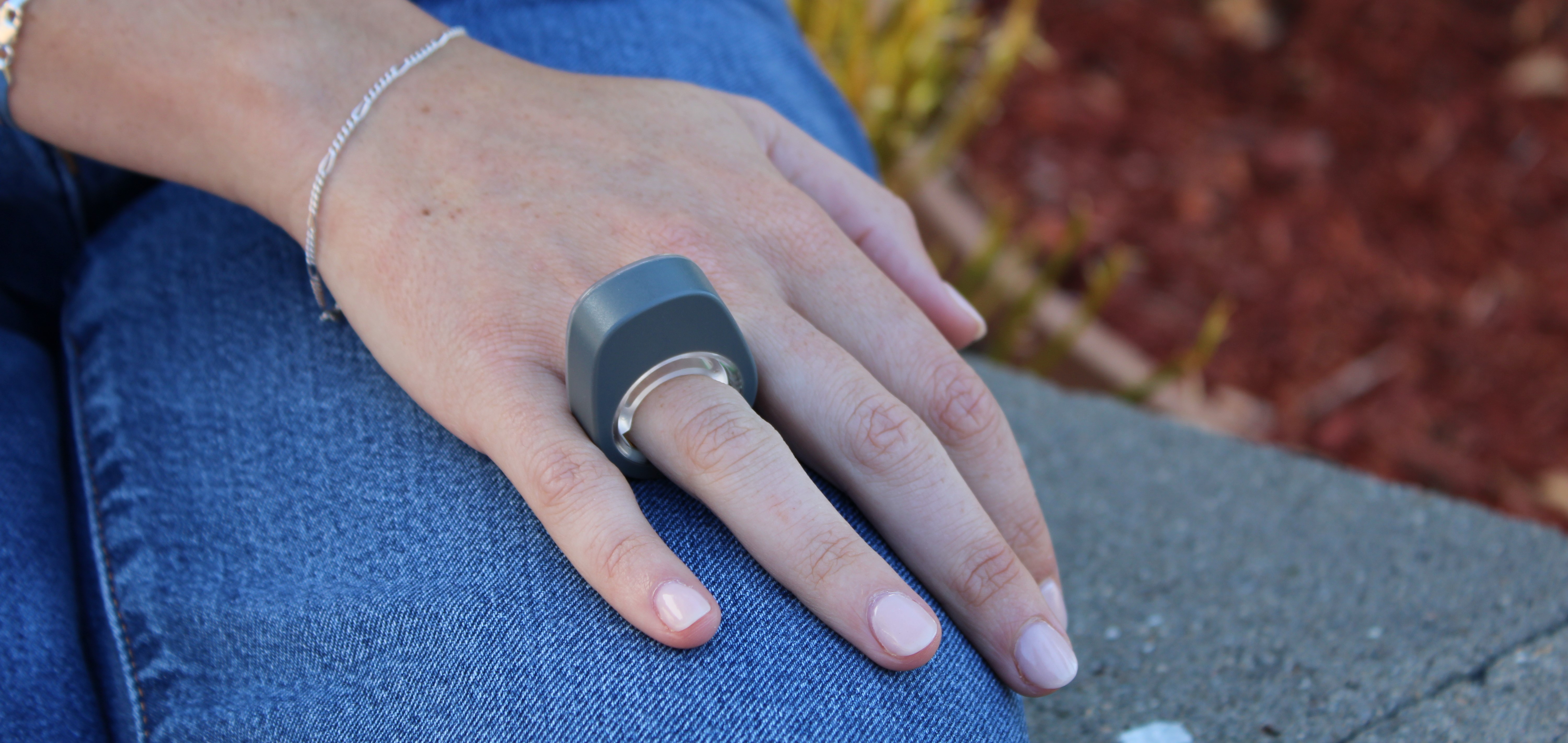
smartphoneBIOPAC recently expanded its established line of wireless devices by introducing the Research Ring, a wearable device with a specific focus on physiological signals such as Photoplethysmography (PPG), Electrodermal Activity (EDA), Electrocardiography (ECG), and body temperature. Products like the Research Ring allow the capture of high-quality data via an unintrusive and accessible wearable device, making them ideal for a wide range of potential applications. These include psychophysiology research, sports and exercise studies, sleep and stress research, and aging and wellness studies, to name just a few.

BIOPAC is no newcomer to providing the research and education communities with wireless and portable solutions designed for gathering physiological data. The Bionomadix line of wearable remote monitoring devices set the standard for such products and have been used in thousands of cited studies. For example, researchers conducting a study of on-the-job stress among healthcare professionals collected EDA and PPG signals using a BIOPAC wireless PPG and EDA amplifier and a wireless respiration with ECG amplifier. Wireless technology proved to be a key component of the study’s success as it allowed the data to be gathered without interfering with the immersive quality of the simulated work environment.

A team of researchers from the University of Porto in Portugal utilized a BIOPAC wearable physiological signal logger to collect EDA and ECG data while studying the correlation between physiological signals and expressive writing. In the study, published in the journal Experimental Psychology, participants were able to engage in writing exercises without the distraction of more cumbersome and intrusive wired solutions.

BIOPAC’s latest entry into its line of wearable wireless data collection devices promises to add greater convenience and versatility to this burgeoning sector. For more information on the new Research Ring, check out the recent webinar BIOPAC hosted with ring developer and partner, Senstream.


If you are interested in adding wearable devices to your next physiology study, reach out to your regional sales representative today to learn which BIOPAC wireless solutions are right for you.

Noise Proof: Attack Artifacts Before They Ruin Data

After investing months of time, funds, and personal effort into your electrodermal activity (EDA) study, you begin combing through your data recordings when something catches your eye. Several of the recorded signals don’t look quite right. Rather than a narrow baseline in the signal graph, the baseline is thick and fuzzy, a sure sign of signal noise. To make matters worse, the recordings are broken by random peaks, artifacts unrelated to the EDA signal you sought to record. Noise and artifacts can corrupt research data, often rendering it useless. While it may be possible in some cases to clean up and salvage recorded data, such results often mean going back to square one and starting over.

The best option is to avoid bad data from the beginning. Several best practices can save researchers untold effort and expense by avoiding the pitfalls that can result in noise and artifacts. Noise and artifacts can be defined as unwanted changes to a signal caused by sources other than the target signal during recording. Noise and artifacts can originate from a range of sources—environmental (interference from other electromagnetic sources) or biological (signal changes from muscle activity in a participant), to name a few. The key is not to wait until all your data is recorded to tackle signal problems. Careful planning and testing procedures when designing and experimenting can avoid later headaches.

Most artifacts are caused by some form of electrical impedance interfering with a clean connection between the participant and the electrodes linking the data-gathering equipment. Sources could include dead skin or hair at the connection sight, dirty or improperly prepared electrodes, or electrodes that have come loose due to movement.

Using an impedance detector can help identify problematic signals before they corrupt data. An example of this can be found in a 2020 study at Ghent University in Belgium that examined how expert and novice map readers managed their cognitive loads using electroencephalogram (EEG) and eye tracking data. Researchers used a BIOPAC EL-CHECK impedance detector to ensure a good skin-electrode interface before recording data with AcqKnowledge software. This allowed the research team to keep the whole EEG circuit (ground, active EEG, and reference electrodes) at less than the recommended 10 K ohms (Herman, 2015; Teplan, 2002) to prevent unwanted signal noise.

noise checkStrategies for avoiding artifacts can vary depending on the type of signal being recorded. Some signals, such as EEG, may require light abrading of the skin at the point of electrode attachment for optimal conductance, while other signals, like EDA, do not require skin abrasion. Proper site preparation is recommended for most signals, skin should be clean and free of obstructions, such as excess hair. When gel is to be applied, make sure it is the correct type for the electrodes being used. Finally, the preparation of study participants can be critical to successfully recording clean data. In general, participants should be in an environment that is free of distractions and stimuli originating outside the study (sudden noises, distracting conversations, etc.).

For detailed information on how to proactively prevent signal noise and artifacts, check our AcqKnowledge Bootcamp webinar in which we discuss how to set up experiments to ensure quality data gathering. You can also consult our forthcoming guide with detailed instructions for the collection of optimal data.  Don’t wait until it’s too late; eliminating signal noise should be the first step in setting up a successful study.


Do you need help eliminating artifacts and signal noise in your recorded research data? BIOPAC’s regional sales representatives are ready to assist with tools and strategies to ensure you get only the best data possible. Contact us today!

4T|Phys 2023: BIOPAC Shares Tools, Trends, Techniques & Technology at UCSB

They hailed from across the globe, from Arkansas to Zanzibar and all points between. Students, teachers, researchers, and innovators gathered on the campus of UC Santa Barbara, overlooking the Pacific Ocean. They came to learn, share, and explore breakthroughs and best practices in physiology and related fields. 4T|Phys kicked off July 17 under clear California summer skies, an idyllic setting for discovering the Tools, Trends, Techniques, and Technology driving physiology education and exploration.

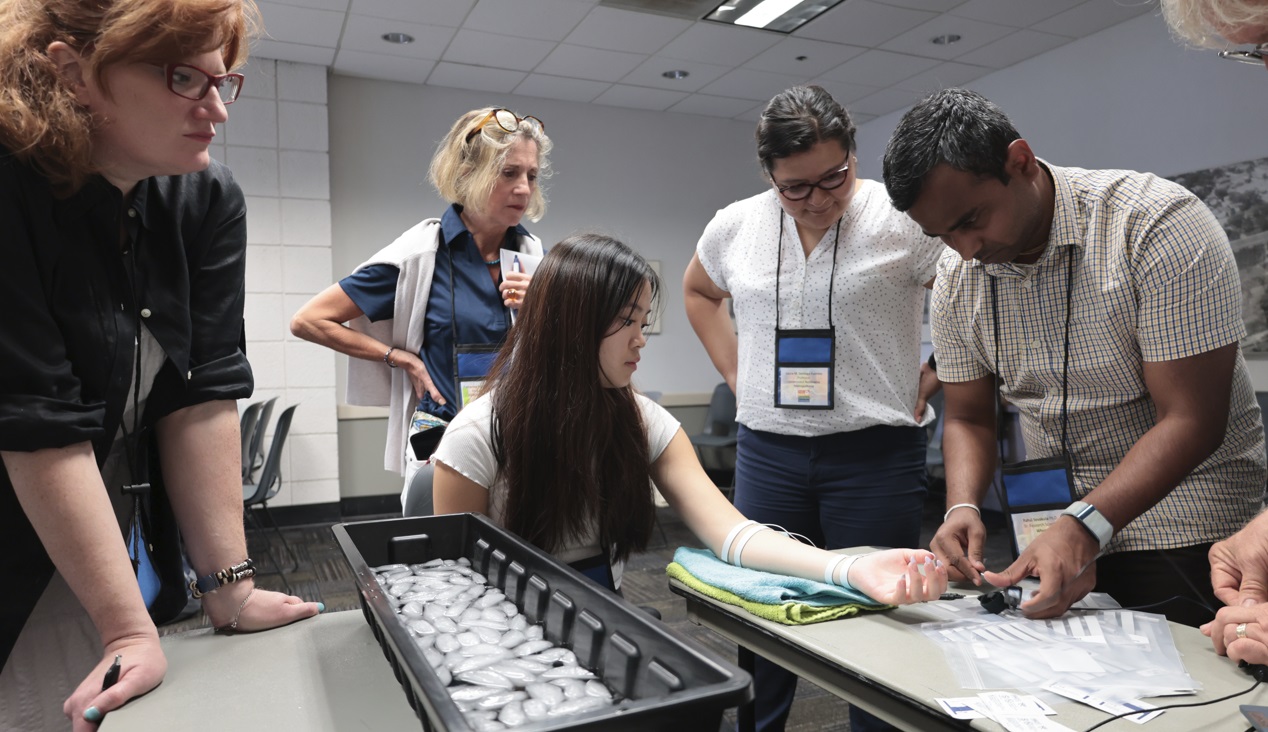
4T|Phys 2023 was the third installment in BIOPAC’s highly successful series of biennial industry conferences that began in 2017. After a two-year hiatus during the global Covid-19 pandemic, 4T came roaring back this summer with more workshops, more tracks, more sponsors, more presenters, and more countries represented than ever before. Over the course of three days, nearly 100 attendees participated in hands-on sessions with some of the top minds in physiology research, experiencing the latest tools for gathering and analyzing data.

BIOPAC’s in-house experts were joined by an array of authorities from the fields of physiology, psychology, imaging (fNIRS and fMRI), neuroscience, cardiovascular research, eye tracking, virtual reality (VR), biology, and engineering. Participants took part in workshop schedules drawn from five separate tracks that included fundamentals, which focused on the basics of data acquisition and analysis. The research track took attendees on a deeper dive into techniques and technologies, including recording evoked potentials, screen-based eye tracking, impedance cardiography using trans-radial bioimpedance velocimetry (TREV), stimulus presentation, exercise physiology, and many others. Participants were also able to tour UC Santa Barbara’s state-of-the-art Brain Imaging Lab to see up close how BIOPAC products are being used in both functional MRI (fMRI) and TREV studies.

“It was an incredible experience that left a lasting impact on me by helping me to understand more about physiological data collection and analysis,” said Dr. Parth Trivedi, a 4T|Phys attendee. “The choice of presenters and the topics covered were truly inspiring, offering valuable knowledge and fresh perspectives that enriched my understanding.”

4T|Phys 2023 Attendee MapThis year’s conference featured several new tracks such as a dedicated VR track led by partner company WorldViz. The WorldViz team showcased virtual reality solutions in a series of workshops that introduced how VR is being integrated in physiology and psychology research, explained how to create effective and immersive VR experiments, and demonstrated their latest PRISM technology for creating fully immersive projected 3D virtual environments.

Several other partner companies introduced their technologies and products both in the 4T exhibition hall and in workshop sessions. Argus Science presented their ETVision eye-tracking glasses that synch seamlessly with AcqKnowledge. Cognixion demonstrated the Cognixion One Axon-R—Research Edition wearable BCI-AR computing platform, which is being used to help individuals with neurodegenerative conditions and severe motor impairments communicate and interact with their environments assisted by augmented reality. Seenel Imaging showed off their MedelOpt Systems for whole-head EEG with fNIRS, including new VR integration. Participants also got a chance to try on the Research Ring by Senstream, a new user-friendly wearable research ring, which allows easy recording of EDA, PPG, Temperature, and ECG signals. CNSystems showed off the company’s NIBP continuous noninvasive blood pressure (NIBP) and hemodynamics devices.

If you missed the educational and networking opportunities at 4T|Phys 2023, don’t despair. We will be back again in a few years, bigger and better than ever. Watch this space for updates on our next installment. In the meantime, see our Video Tutorials and Webinars On Demand for trainings and seminars on our products and partners.


Make sure you never miss a BIOPAC event and keep up with the latest Tools, Trends, Techniques, and Technologies by contacting your local BIOPAC sales representative.

A Heartbeat Away: HRV Unlocks Autonomic Insights

The beating of the heart holds the key to a myriad of physiological questions that are of interest to researchers. The measured variation in time intervals between consecutive heartbeats, otherwise known as Heart Rate Variability (HRV), provides valuable insights into the activity of the autonomic nervous system, reflecting the balance between sympathetic and parasympathetic influences on the heart.

HRV allows researchers to assess cardiac health, stress levels, and overall autonomic function, making it an invaluable component of physiological studies to investigate numerous areas such as cardiovascular health, mental health, stress, and exercise physiology to name just a few.

A recent study applied HRV to examine the effectiveness of yoga and Ayurveda, a form of alternative medicine traditionally practiced in India and Nepal, to regulate and treat lymphedema. Lymphedema is tissue swelling caused by an accumulation of protein-rich fluid that’s usually drained through the body’s lymphatic system. Because lymph drainage has been connected to autonomic function, researchers postulated that HRV would provide meaningful insight into the effectiveness of yoga and Ayurveda programs in treating lymphedema. A BIOPAC two-channel BSL data acquisition system was employed to gather HRV and respiration data of participants who underwent an intensive regimen of yoga exercise, limb soaking, herbal baths, and manual lymph drainage. Initial comparisons of HRV data between both the test and control groups showed significant improvement in the lymphedema patients following treatment.

beating heartIn many cases, researchers choose to combine HRV with other signals to provide a more detailed picture of a participant’s autonomic response to stimuli. A 2020 study sought to identify an effective noninvasive measure of how the sympathetic nervous system (SNS) responds to stimuli. Typically, such measurements involve the invasive recording of muscle sympathetic neural activity at the peroneal nerve. This study examined HRV and electrodermal activity (EDA), both separately and in combination, to see which provided the most effective measurement of SNS activity. Researchers measured participants’ SNS response to both a cold-pressor test (submerging hand in ice water) and while viewing emotionally challenging video images. Throughout both tests, continuous ECG and EDA signals were acquired and analyzed using a BIOPAC four-channel data acquisition system. An ECG100C and EDA100C were used to acquire the ECG and EDA signals, respectively. From their results, researchers concluded that the combination of HRV and EDA provided a better metric for SNS activity than HRV alone.

Whether alone or in combination with other signals, HRV offers researchers a powerful tool for measuring how the autonomic nervous system responds to a wide range of stimuli and conditions with applications across a broad spectrum of fields. Visit our Webinars page for multiple examples of how HRV is being used in research and check our HRV citations as well.


Are you designing a study that features HRV? BIOPAC’s regional sales reps can help you access the right tools for the job to ensure the best possible results. Contact us today!

Mind and Body: Signals to Enhance Your Psychophysiology Research

The human body and mind share an intrinsic link, both influencing and reflecting the health and general well-being of the other. Within the field of psychophysiology, researchers gain a wealth of insight into mental processes and disorders by studying physiological signals recorded from both the brain and body. Signals such as electrodermal activity (EDA), skin temperature (SKT), electroencephalogram (EEG), heart rate variability (HRV), and functional near-infrared spectroscopy (fNIRS) provide just a few of the tools helping us to better understand these mind-body interactions.

A wide range of research technologies has made these signals increasingly accessible in the lab as well as in everyday environments, allowing studies to place participants in increasingly naturalistic settings while gathering critical physiological data. In this way, researchers can provide a more accurate picture of how study participants react to stress and arousal, experience emotion, or interact within group environments.

One recent study used EDA and heart rate (HR) to examine the role of emotion in student success within computer-based learning environments (CBLE). As discussed in previous posts, a range of signals can be used to measure the body’s physiological response to emotion, otherwise known as “affect.” By gaining a better understanding of learners’ emotional responses to CBLE stimuli, researchers in this study hope to apply their data to improvements in CBLE design. EDA data was gathered from participants via SS57LA EDA leads while HR signals were collected with SS2LB shielded lead sets, both of which were connected to a BSL MP36 data acquisition and analysis system. Participants were shown imagery designed to evoke a negative emotional reaction before being asked to read a complex academic paper. The study was able to establish a link between the participants’ emotions and their comprehension of the reading material.

head with brain exposedIn another study, researchers used EDA and skin conductance response (SCR) to measure participants’ reactions to conditioned stimuli (CS) and unconditioned stimuli (US). The goal was to determine if fear-inducing memories could be modified either pharmacologically or through behavior modification to overcome fear. An MP36R System with AcqKnowledge software allowed analysis of SCR signals gathered via SS3LA finger transducers across a range of experiments designed to trigger fear-inducing memories. While the overall results were inconclusive, the SCR signals provided valuable feedback regarding the participants’ response to stimuli.

While EDA is a common thread through many of these psychophysiology studies, other signals provide researchers with a more complete and nuanced data set from which to draw their conclusions. Researchers exploring the factors influencing musical preferences combined EDA data with ECG and facial electromyography (fEMG) signals to assess how listeners reacted to familiar and unfamiliar musical stimuli. Data from all three signals were fed to an MP36 data acquisition and analysis system. The study found a strong correlation between musical preferences and familiarity with material as reflected by the subjects’ emotional responses.

These examples only scratch the surface of how psychophysiological research is being aided by an array of signals, all made accessible with available technology. To learn more about how to implement these signals in your next study, see BIOPAC’s Psychophysiology Applications webpage.


Contact your BIOPAC sales representative to learn more about the wide range of data-gathering tools available to help you construct your next psychophysiology study.

Skin Deep: Using EDA to Measure Affective Response

We say something “gets under our skin” when it elicits an unpleasant or irritating emotional response. This connection between our skin and emotion runs deeper than a simple idiomatic expression, however. Along with performing several critical functions—protective, regulatory, and sensory—our skin provides a window into our physiological and emotional states as we respond to a range of stimuli. Electrodermal Activity (EDA) is the mechanism providing these insights.

EDA, also known as galvanic skin response (GSR), measures eccrine activity resulting from the sympathetic nervous system’s response to environmental stimulation. As a function of the autonomic nervous system, it is an involuntary response to a range of sensory inputs, including touch, sight, sound, odor, and taste. EDA regulates the rate of sweat produced by sweat glands in the extremities, particularly in the fingertips, palms, and soles of the feet.

EDA increases in conjunction with the level of stress or nervousness experienced by an individual. For this reason, it provides researchers with a valuable means of measuring affective response to external stimuli. As we explored in a previous post, affect is the measurable physiological expression of emotion. While there are numerous physiological signals that researchers can employ to measure affect, EDA in particular functions as an indicator of arousal. For this reason, EDA has become one of the most relied upon signals employed by researchers exploring psychophysiological phenomena.

Violence StudyA recent Slovakian study published in Adaptive Human Behavior and Physiology illustrates how EDA is commonly employed in such research. Researchers studying the influence of gender differences on reaction to violent imagery used skin conductivity response (SCR), the mechanism behind EDA, to measure levels of arousal when participants were shown images of war and sports. The goal of the study was to test the “male warrior hypothesis” (MWH). The theory suggests that men have evolved psychological mechanisms to form aggressive alliances with the goal of acquiring or protecting reproductive resources in war and that team sports stimulate that same impulse. EDA was measured using BIOPAC electrodes and leads feeding data to an MP36 data acquisition unit. While the study found that visual perception of team sports and war imagery stimulated different levels of excitement as measured by EDA in men and women, it was inconclusive in showing that sports provide a substitute for war in the sample of participants.

A study conducted at the University of Ottawa and published in the Journal of Behavior Therapy and Experimental Psychiatry used EDA to examine whether response-focused emotion regulation (RF-ER) strategies provided an effective way to control evoked emotions—specifically, does smiling make one feel better in times of heightened stress? EDA data was gathered from participants using a BIOPAC skin conductance transducer and amplifier connected to a BIOPAC data acquisition unit while participants were shown images designed to evoke both arousal and negative responses. Participants were asked to either suppress their emotional response to images or employ expressive dissonance (e.g., smile when disturbed). The results of the study shed doubt on previously held assumptions that RF-ER strategies were effective in controlling emotion.

These are just a sampling of the ways in which EDA is being used in psychophysiological research. For additional information on the background, tools, and techniques for using EDA in your studies, visit our EDA Resource Directory, read our EDA Introductory Guide. and watch Electrodermal Activity: Intro to Recording and Analysis or any of our EDA webinars.


For additional information on how BIOPAC can assist you with your research using EDA and a range of other physiological signals, contact your local sales representative.

Guilt Trips: Taking Measure of Our Moral Compass

“So full of artless jealousy is guilt, It spills itself in fearing to be spilt”
—Gertrude, William Shakespeare’s “Hamlet”

In Act 4 of Shakespeare’s famous tragedy, Hamlet’s mother Gertrude points out that the harder one tries to conceal guilt, the easier it is to expose. Little does she realize that she may have hit upon how future researchers approach the study of guilt in the lab. For practical purposes, it is a primary motivator in moral action and impacts how an individual responds to certain stimuli.

Psychologists have developed a myriad of tests to gauge guilt in a clinical setting such as the Test of Self-Conscious Affect (TOSCA), a multiple-choice test that tracks responses to various moral scenarios. While such techniques have been useful in linking guilt with conditions such as depression and anxiety, they have also shown their limitations in providing a deeper understanding of guilt’s influence on behavior, development, and psychological health.

In a recent BIOPAC webinar, UCSB professor Dr. Hongbo Yu addressed these limitations. Scenario-based tasks, he points out, are non-committal in examining the causes of guilt and do a poor job of measuring behavioral tendencies linked to guilt. Interaction-based research methods, however, allow participants to experience emotions in real-time, allow direct control of the causes of guilt in the lab, and allow for direct measurement of responses to stimuli.

As discussed in prior posts on affect, the body’s physiological manifestation of emotion, there is a range of methods and physiological signals available to researchers for measuring affect and gaining a better understanding of emotional states like guilt. Dr. Yu utilized eye-tracking, electrodermal activity (EDA), and functional magnetic resonance imaging (fMRI) in his examples. These are just a few of the signals currently being used in the lab to measure guilt.

One of the practical applications of guilt research is detecting when a subject is concealing the truth, as one would with a polygraph test. A recent study conducted by researchers at the University of Wisconsin-Madison’s Department of Psychology sought to gauge deception among research participants taking the Concealed Information Test (CIT). The goal was to improve upon traditional polygraph test signals such as heart rate and respiratory rate. Respiration data was gathered using a respiration transducer belt while ECG signals were collected with BIOPAC electrodes. In addition, researchers gathered EDA data using a transducer and finger electrodes. The study found that thGuilty Girle EDA signal was significantly more effective in accurately measuring physiological responses during the test procedure.

A 2018 study by researchers at Liverpool Hope University looked at the link between guilt and aggression in children by examining activity in the autonomic nervous system during so-called “bad behavior.” The study measured respiratory sinus arrhythmia (RSA) and skin conductance in children 4–8 years old while they imagined engaging in antisocial activities. EDA and ECG signals were gathered via wireless amplifiers and fed to an MP150 data acquisition unit (superseded by the MP160) running AcqKnowledge software. The study found a linkage between physiological responses to aggression and guilt that may provide a better understanding of the mechanisms behind guilt and related behavior in early and middle childhood.

These are just a few examples of how physiological signals can be applied to measuring guilt in research. BIOPAC offers a wide range of data acquisition, stimulus presentation, and VR options suitable for creating custom guilt research environments in the lab.


For additional information, contact your BIOPAC representative to learn more about the range of signals that can be utilized to gather data on guilt and other emotional states in the lab.

error: Content is protected !!