

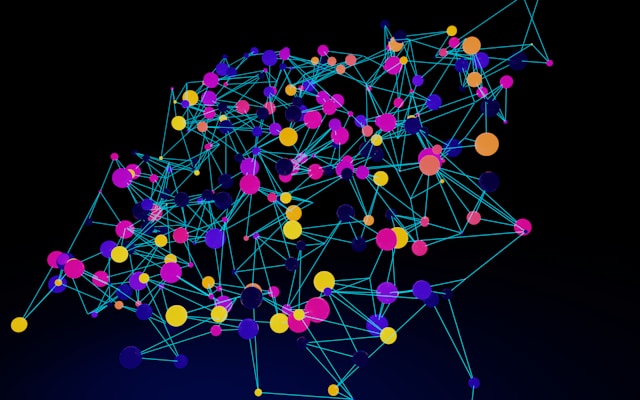
A System of Systems: Network Physiology Connects the Dots
In the field of physiology, it is tempting to see the human body as a collection of independent systems performing a range of functions—converting food to energy, protecting us from harm and disease, and helping us react to and interact with our environments, to name...
A Heartbeat Away: HRV Unlocks Autonomic Insights
The beating of the heart holds the key to a myriad of physiological questions that are of interest to researchers. The measured variation in time intervals between consecutive heartbeats, otherwise known as Heart Rate Variability (HRV), provides valuable insights into...
Body Electric: Bioimpedance in Physiology Research
With nearly 70 percent of our bodies made up of water as well as a variety of dissolved salts, humans are natural conductors of electrical current. However, various elements of the human body restrict or impede the flow of electrical current, a phenomenon termed...
T4 Conference Wrap-up
August is a month of barbecues, baseball, and last-minute vacations against the backdrop of a fading summer, and the eighth month of 2019 proved to be an equally exciting time at BIOPAC, with something of a pleasant vacation thrown in. On August 12-14, BIOPAC hosted...
Stressing over the effects of stress
Several studies show chronic stress is typically detrimental to health, while acute stress may be linked to positive effects in addition to the negative counterparts